
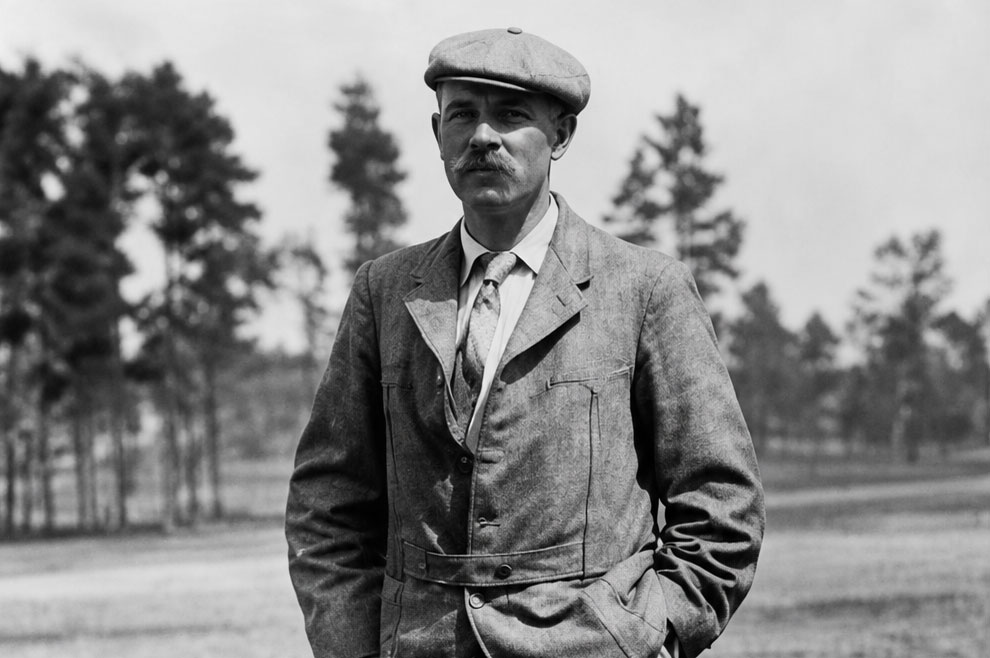
Donald Ross designed or significantly influenced 13 golf courses in Illinois, including several of Chicago’s most prestigious private clubs. Here’s the story behind his remarkable legacy in the Land of Lincoln.
When golfers think of Donald Ross, iconic venues such as Pinehurst No. 2, Oak Hill, Inverness and Seminole often come to mind. Few architects have left a greater imprint on American golf than the Scottish-born designer, whose portfolio includes more than 400 golf courses across North America.
What many golfers may not realize, however, is just how significant Ross’s influence was in Illinois.
While Illinois cannot claim the sheer number of Ross layouts found in the Carolinas or New England, the state became one of his most important Midwestern laboratories during the 1910s. Between 1913 and 1921, Ross either designed, substantially redesigned or helped shape some of Chicago’s finest private clubs, leaving behind a collection of courses that continue to rank among the region’s architectural treasures.
More than a century later, many of those clubs remain faithful to Ross’s strategic philosophy, while several have undergone meticulous restorations that have reintroduced many of the design elements that made his work so revolutionary.
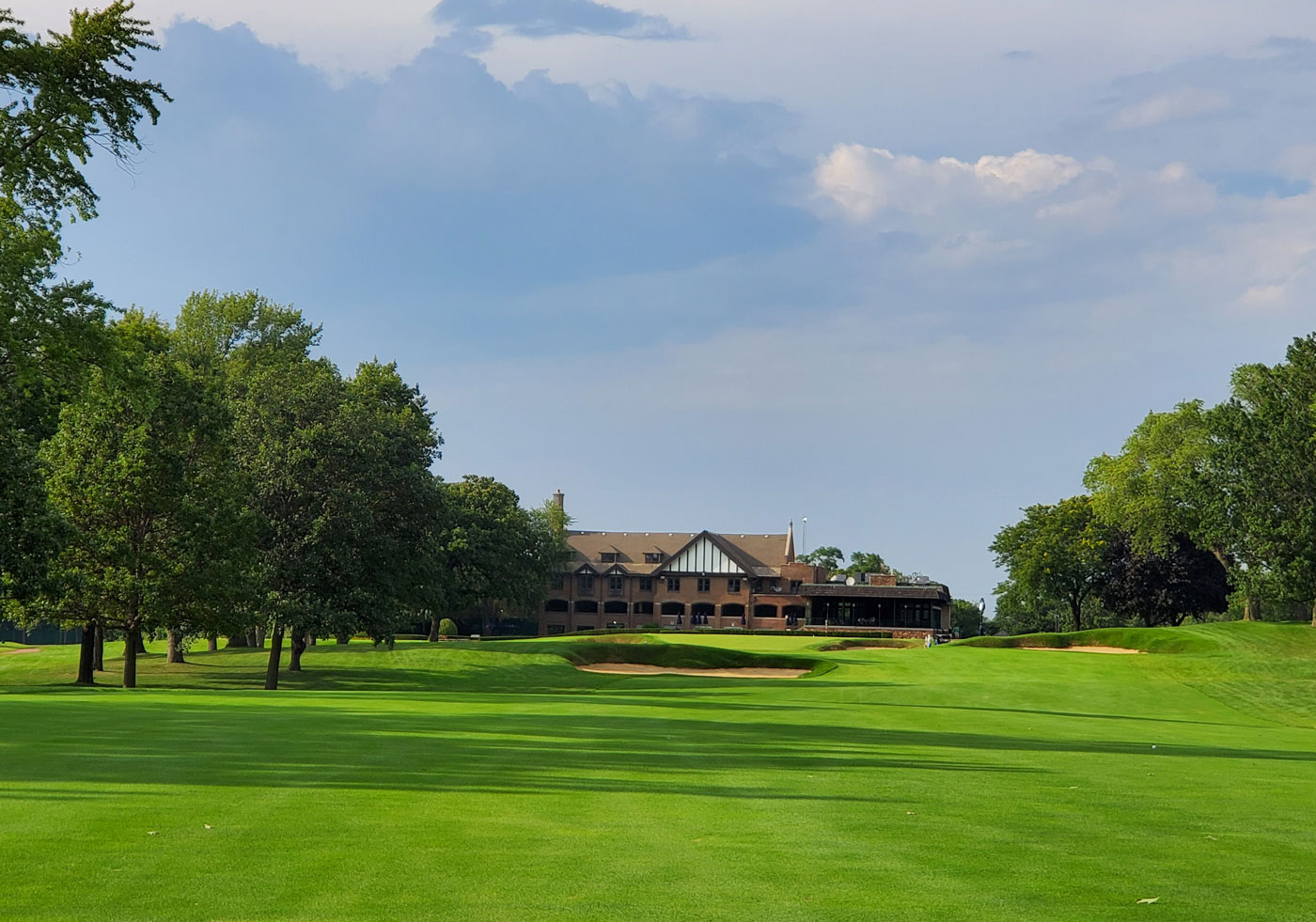
Beverly Country Club
Donald Ross Comes to Chicago
By the early 1910s, Donald Ross had already established himself as one of America’s premier golf course architects. His reputation for creating courses that rewarded thoughtful strategy rather than brute strength had spread throughout the country.
Chicago was rapidly becoming one of America’s great golf cities, and clubs were eager to hire the game’s most respected architects.
Rather than building dozens of courses throughout Illinois, Ross concentrated his work in the Chicago metropolitan area, particularly along the North Shore and the south suburban corridor. His commissions ranged from entirely new layouts to ambitious redesigns of existing courses that needed modernization as equipment and playing styles evolved.
Unlike many architects who imposed a single style on every project, Ross believed every piece of property possessed its own personality. His courses followed the natural contours of the land, creating strategic options instead of forcing golfers down one path.
That philosophy proved especially effective on the rolling terrain surrounding Chicago.
The Hallmarks of Donald Ross Design
Ross rarely relied on visual intimidation.
Instead, he challenged golfers through subtle strategy.
His courses often appear welcoming from the tee, only revealing their complexity on the approach shot. Fairways generally provide generous landing areas, but positioning off the tee dramatically influences the angle into the green.
His greatest architectural signature is undoubtedly his greens.
Ross greens feature gentle slopes, false fronts, interior contours and carefully protected pin locations that reward precise iron play while punishing careless approaches. Missing on the wrong side frequently leaves players with difficult recoveries requiring creativity rather than simply power.
Ross also believed every hole should present multiple options. Longer hitters might challenge hazards for a better angle, while conservative players could choose a safer route that leaves a more demanding approach.
That strategic flexibility remains one of the reasons his courses have stood the test of time despite dramatic advances in golf equipment.
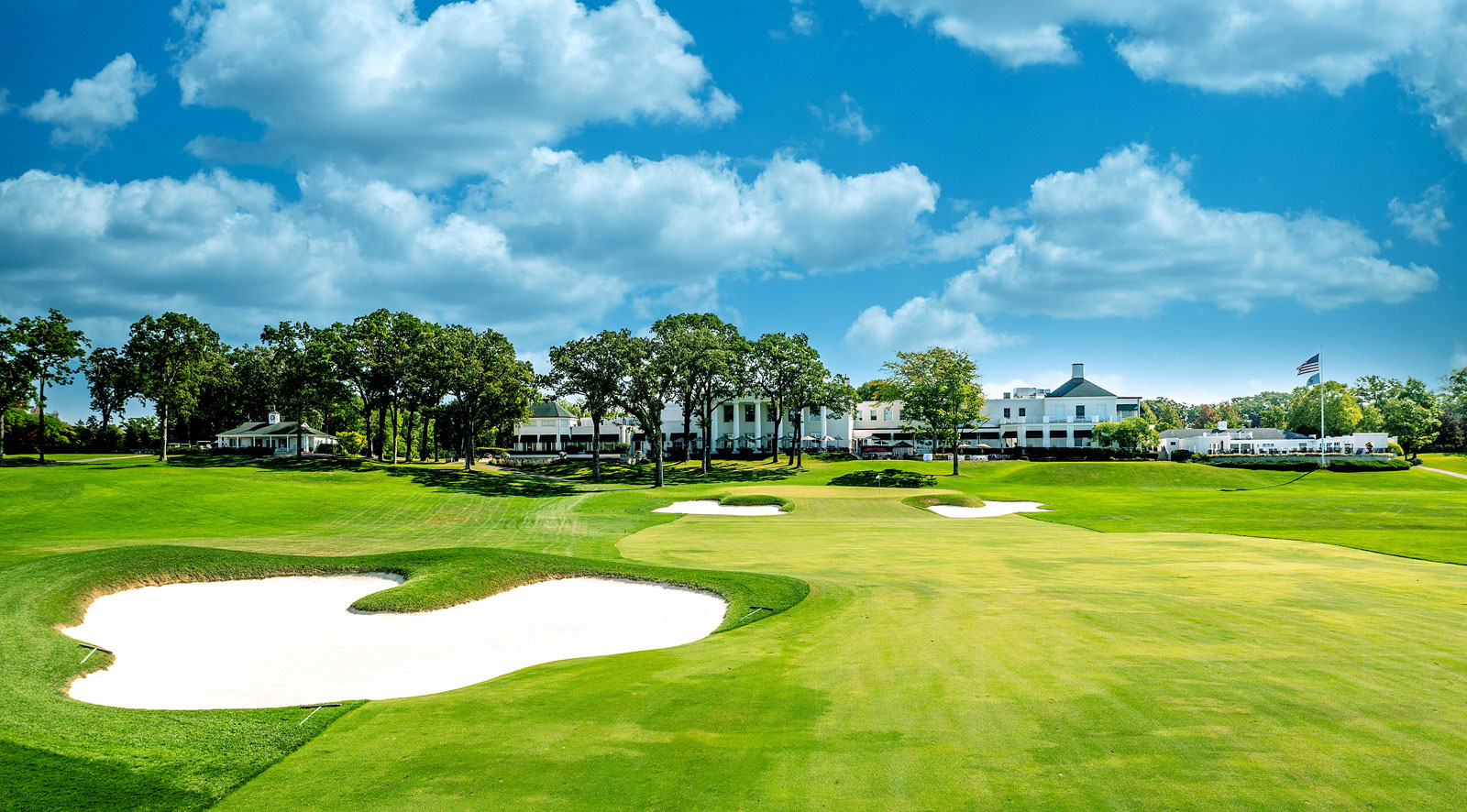
Exmoor Country Club
Illinois’ Premier Donald Ross Courses
Ross’s Illinois portfolio consists primarily of private clubs, many of which continue to rank among the finest courses in the Midwest.
Beverly Country Club
Perhaps no Illinois course better reflects Ross’s ability to transform an existing property than Beverly Country Club.
Originally established before Ross’s arrival, the club hired him in 1918 to create a comprehensive master plan that reshaped the course into one of Chicago’s architectural gems. Ross utilized natural sand ridges left behind by prehistoric Lake Chicago to create outstanding green sites and strategic movement throughout the routing.
Today, Beverly remains one of Ross’s finest Midwestern achievements and has benefited from several restoration projects that have carefully returned many of his original design features.
Exmoor Country Club
Ross’s work at Exmoor Country Club elevated an already respected club into one of the country’s premier championship venues.
His extensive redesign in 1915 created the foundation for the course members enjoy today. The routing, green complexes and strategic bunkering all showcase Ross’s philosophy of rewarding intelligent shot-making rather than simply demanding distance.
Exmoor continues to be recognized as one of Illinois’ architectural masterpieces.
Evanston Golf Club
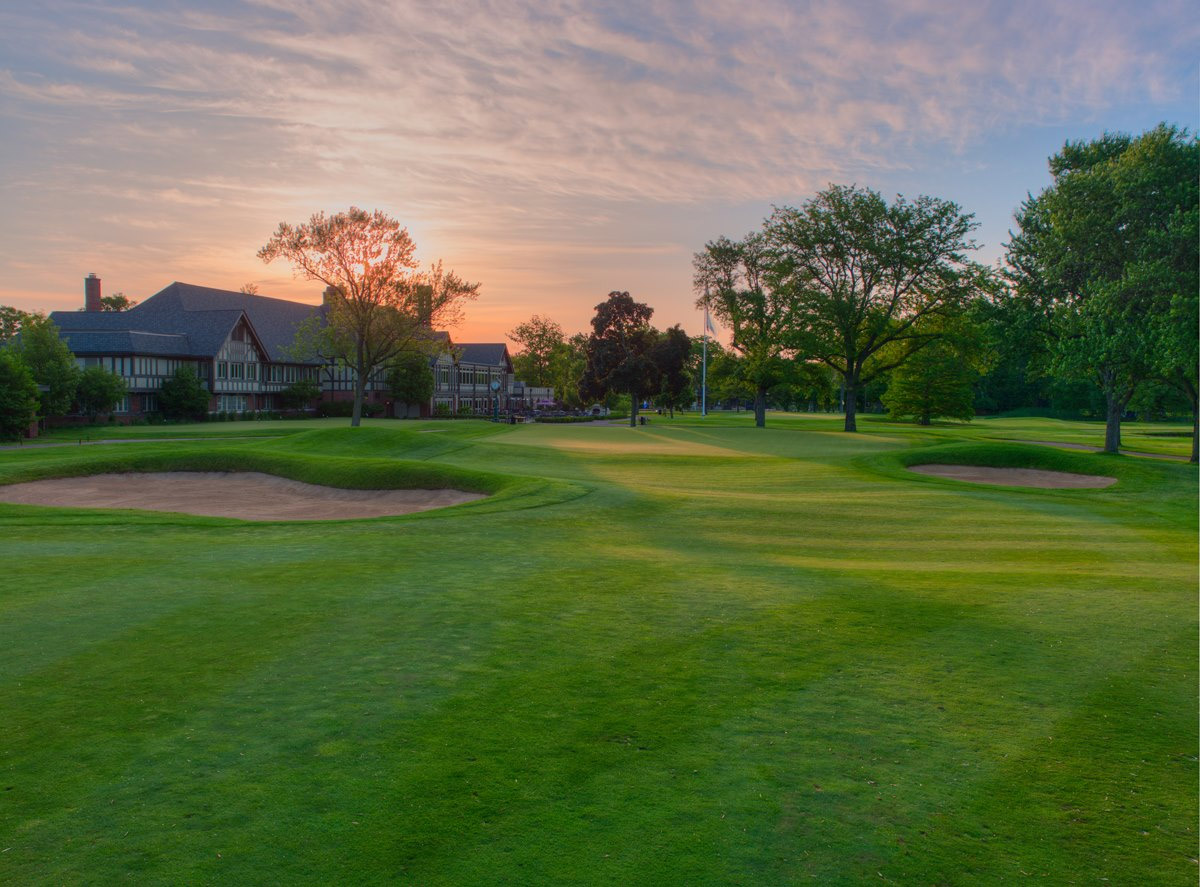
Evanston Golf Club
Evanston Golf Club stands as one of Ross’s purest Illinois designs.
Ross personally laid out the course, and remarkably, many of the original green complexes survived for more than a century before recent restoration work carefully renewed them for modern play.
The course remains an outstanding example of Ross’s ability to create strategic interest without overwhelming golfers through excessive hazards.
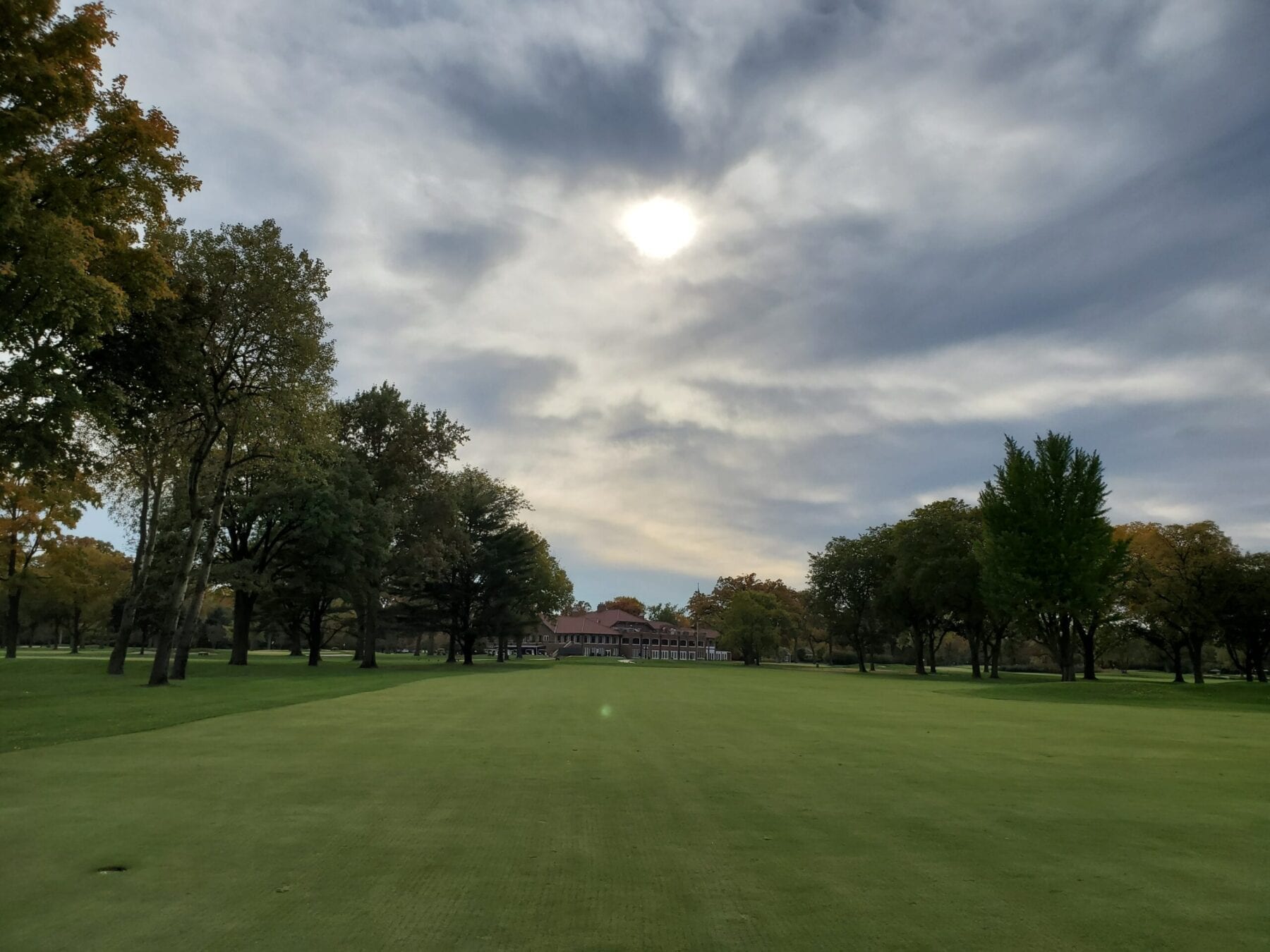
Oak Park Country Club
Oak Park represents Ross’s first original Chicago-area design.
Built around a winding creek, the course demonstrates his ability to use natural features as strategic elements rather than artificial obstacles. The routing constantly asks golfers to decide how aggressively they wish to attack each hole.
Subsequent restoration efforts have helped recover much of Ross’s original intent while preserving the club’s historic character.
Northmoor Country Club
Completed near the end of Ross’s Chicago work, Northmoor features many of the architect’s signature landforms, including dramatic hollows and natural-looking bunkering.
Although the club has expanded beyond its original 18 holes, Ross’s original design remains at the heart of the property.
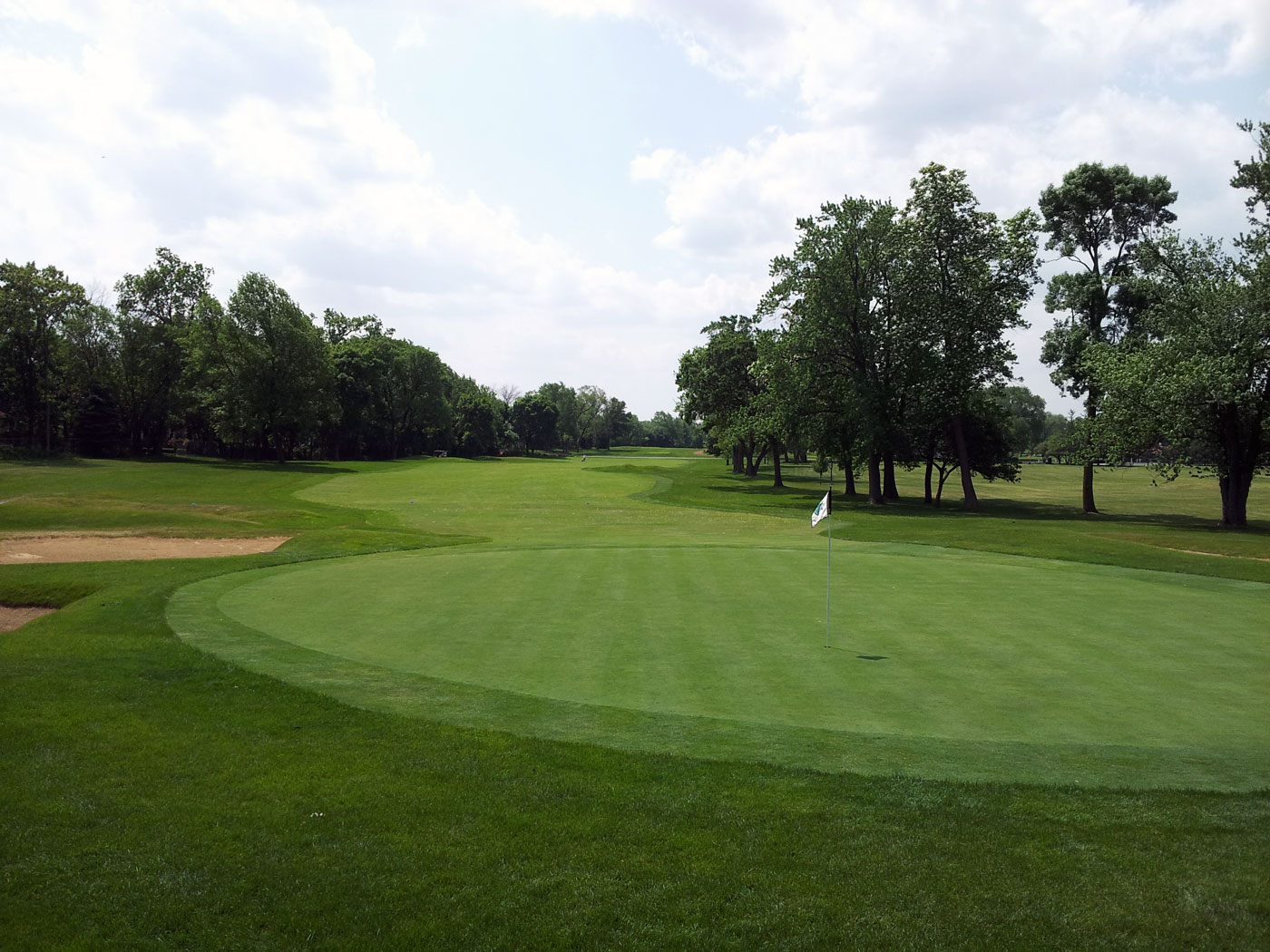
Ravisloe Country Club
Unlike most Ross courses in Illinois, Ravisloe offers the public an opportunity to experience his architecture firsthand.
Ross spent several years renovating and refining the course between 1917 and the early 1920s. His influence remains particularly evident on the back nine, where strategic bunkering, rolling terrain and challenging greens continue to test golfers more than 100 years later.
For golfers interested in experiencing Donald Ross without private club access, Ravisloe remains an outstanding destination.
Other Important Illinois Contributions
Ross also played important roles at Skokie Country Club, Bob O’Link Golf Club, Calumet Country Club, Glen View Club, Indian Hill Club, Lake Shore Country Club and Old Elm Club.
Each project reflects a slightly different chapter of his career.
Some involved complete redesigns, while others featured collaborative work with architects such as Harry Colt or later restoration architects. In several cases—including Bob O’Link and Calumet—the original Ross work has been altered significantly through later renovations or changing land use.
Even so, these projects demonstrate how frequently Chicago-area clubs sought Ross’s expertise during the peak of his career.
Oak Park Country Club
Why Donald Ross Still Matters
Many golf architects become dated as equipment changes.
Ross did not.
Modern professionals may drive the ball 50 yards farther than golfers of his era, yet Ross’s strategic concepts remain remarkably relevant because they are rooted in decision-making rather than distance.
His courses ask players to think.
Where should the tee shot finish?
Which side of the fairway offers the best approach?
Is attacking a tucked pin worth the risk?
Those questions remain timeless.
Perhaps that explains why so many clubs have invested heavily in restoring Ross features over the past two decades. Rather than replacing his work with modern architecture, clubs increasingly recognize that Ross’s original concepts continue to provide exceptional golf.
Ravisloe Country Club
A Lasting Illinois Legacy
Donald Ross may be most closely associated with Pinehurst, but his influence on Illinois golf deserves equal appreciation.
His concentrated body of work helped define many of Chicago’s finest clubs while introducing a style of architecture built on strategy, subtlety and thoughtful design.
More than 100 years after his busiest years in Illinois, golfers continue to admire the same green complexes, routing decisions and strategic options that made Ross one of history’s greatest architects.
Whether you’re fortunate enough to play Beverly, Exmoor, Evanston or Oak Park—or tee it up at public-access Ravisloe—you are experiencing more than a round of golf.
You’re walking through one of the most important chapters in American golf architecture, crafted by a designer whose influence continues to shape the game throughout Illinois and far beyond.








 Find a Golf Course
 Find a Driving Range
 Find a Topgolf
 Find a Golf Instructor