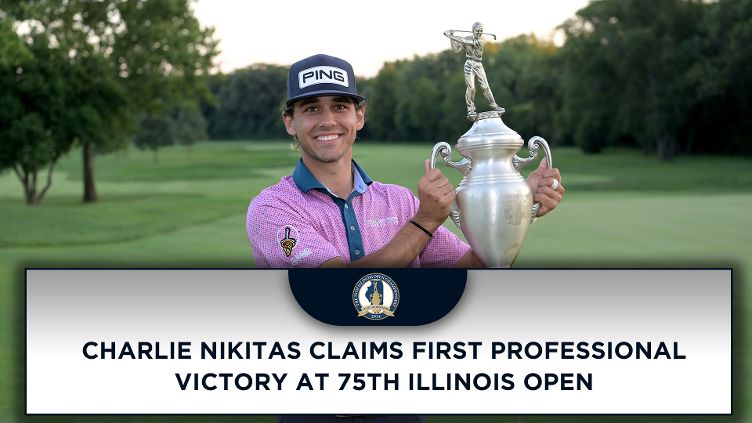
In 2026, Charlie Nikitas reached the 18th green at The Club at Wynstone with a chance to finish an extraordinary Illinois Open. He made birdie, completed 54 holes at 20 under par and set a championship scoring record. Yet his four-stroke victory had hardly felt assured: Pierce Grieve had pressed him deep into the final round before trouble at the par-3 14th changed the contest. It was a fitting chapter for a championship that has spent more than seven decades bringing Illinois professionals and amateurs onto the same stage.
An Older Name, a Lasting Championship
The Illinois Open’s roots predate the annual championship we know today. Tournaments bearing the name were held sporadically in the early 20th century. At the Country Club of Peoria in 1923, Joe Kirkwood defeated Jock Hutchison by four strokes and ended the 72-hole event by holing a greenside bunker shot for eagle. Leo Diegel, Abe and Al Espinosa, and Harry Cooper also won early Illinois Opens. By the late 1930s, however, the event had disappeared from the schedule.
Its return owed much to two organizers: Harry Pezzullo, president of the Illinois PGA, and Chuck Eckstein of the Chicago District Golf Association. They brought their organizations together to revive the tournament, sharing responsibility for courses, prize money and administration. The modern Illinois Open began at Onwentsia Club in Lake Forest in 1950, where Felice Torza became its first champion.
The early winners gave the revived event stature. Errie Ball won at Ravisloe in 1953. Bob Harris won at Flossmoor in 1955 and North Shore in 1956, becoming the modern championship’s first consecutive winner. Torza returned to win at Beverly Country Club in 1958. The host-course roll was already impressive: Onwentsia, Midlothian, Olympia Fields, Flossmoor and Beverly each connected the state championship to a different part of Illinois golf history.
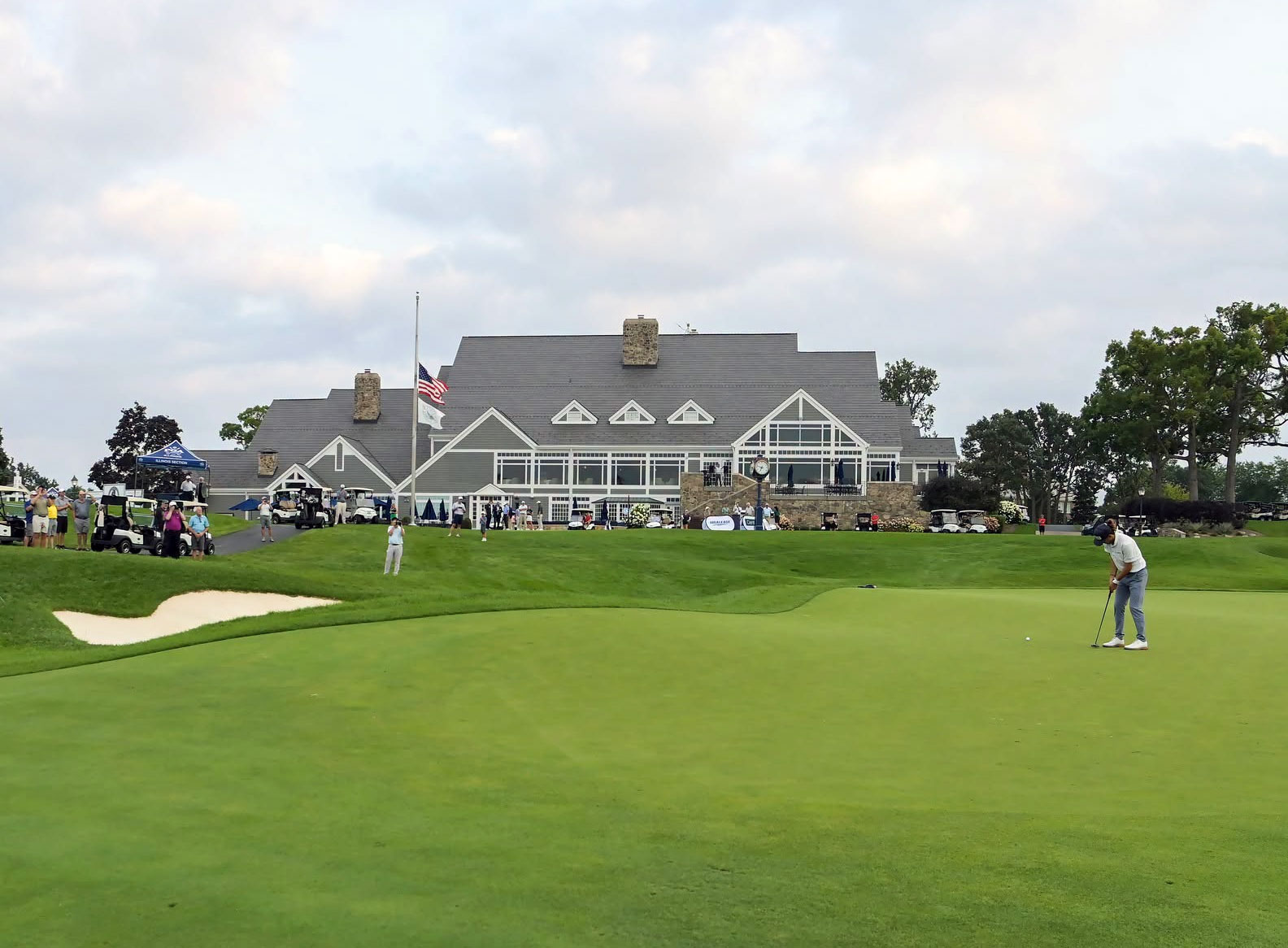
Charlie Nikitas on the 18th green at The Club at Wynstone in 2026.
Famous Names and Difficult Conditions
Few names on the trophy are more recognizable than Jack Fleck’s. Ten years after defeating Ben Hogan in the 1955 U.S. Open, Fleck won the 1965 Illinois Open at Skokie Country Club. Three years later, legendary amateur Chick Evans won at Riverside Golf Club. Between those victories came Emil Esposito’s 1966 win at Briarwood Country Club, where the opening round began in temperatures of just 34 degrees. Esposito would win again in 1974, while Dick Hart collected three titles in 1964, 1969 and 1971.
Weather has long been part of the event’s character. The bitter cold at Briarwood stands at one extreme; at the other, a heat index of 105 during a championship at Fox Bend prompted officials to permit shorts. Conditions could shape the scoring, too. Flooding at Hawthorn Woods in 2010 led to the par-5 17th being played as a 158-yard par 3, changing the course from par 71 to par 69 for the championship.
The tournament also became more accessible. The Illinois PGA took full control in 1971 and introduced qualifying the following year. That gave more players a route into a field where an amateur could test his game against club professionals and touring players—and sometimes beat them.
The Amateurs Who Won It All
Gary Hallberg became the first amateur champion of the modern Illinois Open in 1977, winning at Elgin Country Club. His Wake Forest teammate Gary Pinns followed as an amateur winner at Elgin in 1978. Both later won the title as professionals, but Pinns built a record no one has matched: five victories, spanning 1978, 1985, 1986, 1988 and 1990. His wins took place across three decades and at five different courses.
Rick Ten Broeck took the less familiar path in the opposite direction. He won as a professional at Barrington Hills Country Club in 1973, then, after regaining amateur status, won again at Bon Vivant Country Club in Bourbonnais in 1981. David Ogrin joined the amateur winners in 1980 and captured the Illinois Amateur that same year. It would take 37 years for another player to complete that double.
Patrick Flavin finally matched Ogrin in 2017. After winning the Illinois Amateur in July, Flavin carried a six-shot lead into the Illinois Open’s final round at The Glen Club. The margin vanished, but he held on by one stroke to become only the second player to win both state titles in the same year. Fellow amateurs Nick Hardy and Matt Murlick were among those tied for second, making the finish an emphatic reminder of the strength of Illinois amateur golf.
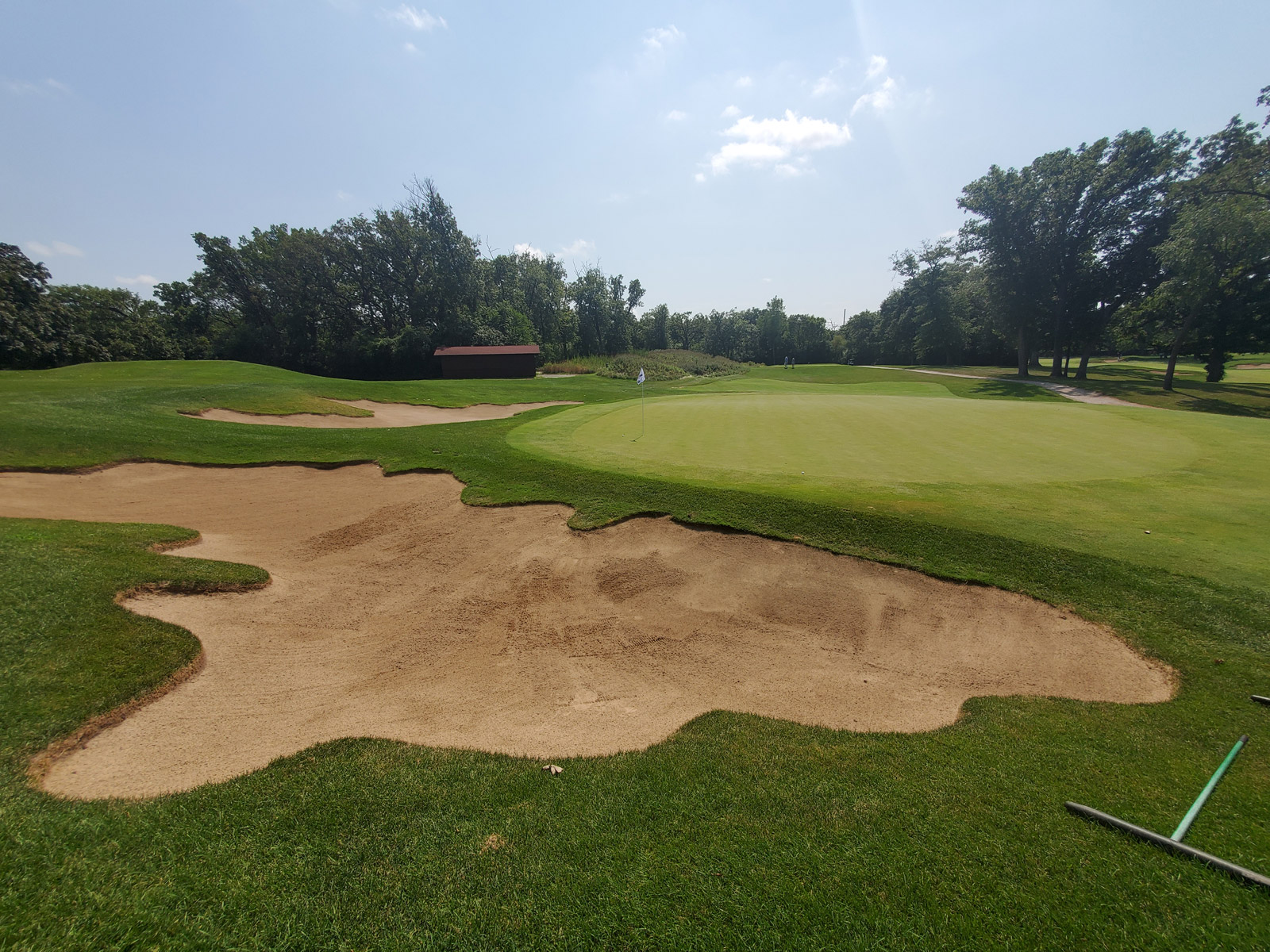
Flossmoor Golf Club
The Courses That Define the Event
The Illinois Open has never belonged to one venue. Medinah’s Course No. 3 hosted winners Chuck Malchaski in 1961 and Dick Hart in 1964; Olympia Fields’ North Course hosted George Bolesta in 1954 and Bob Bruno in 1960. Elgin, Royal Fox, Hawthorn Woods, White Eagle and Stonebridge have each contributed chapters. The Glen Club became especially prominent in the 2000s, hosting all four of Mike Small’s victories: 2003 and three consecutive titles from 2005 through 2007. Small remains the only modern champion to win three straight.
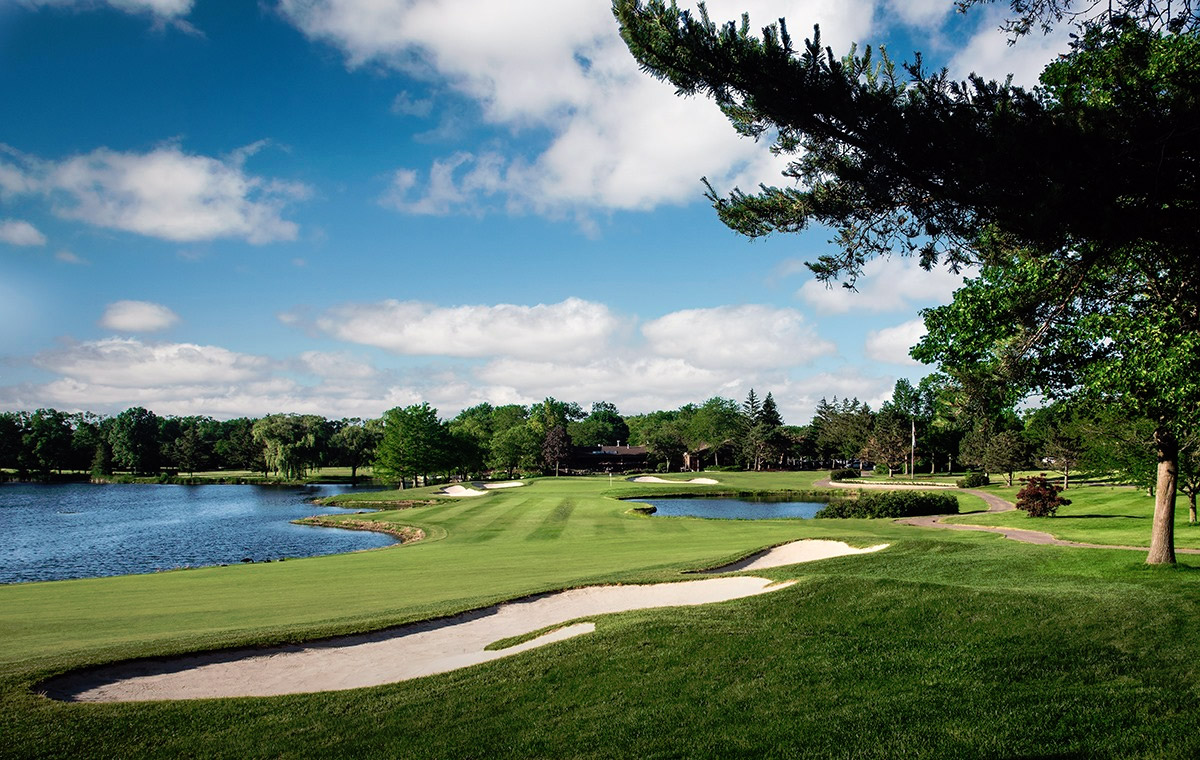
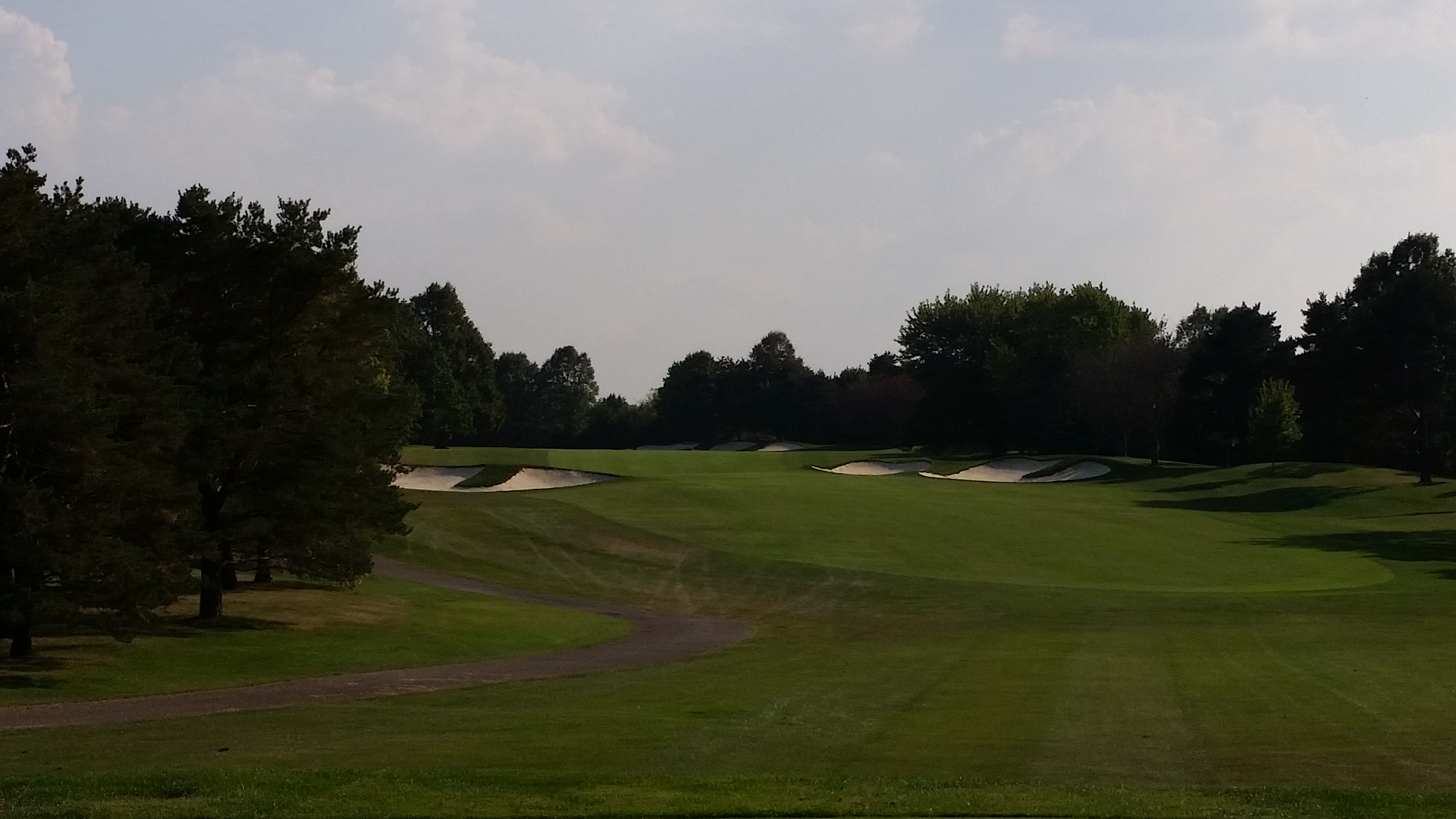
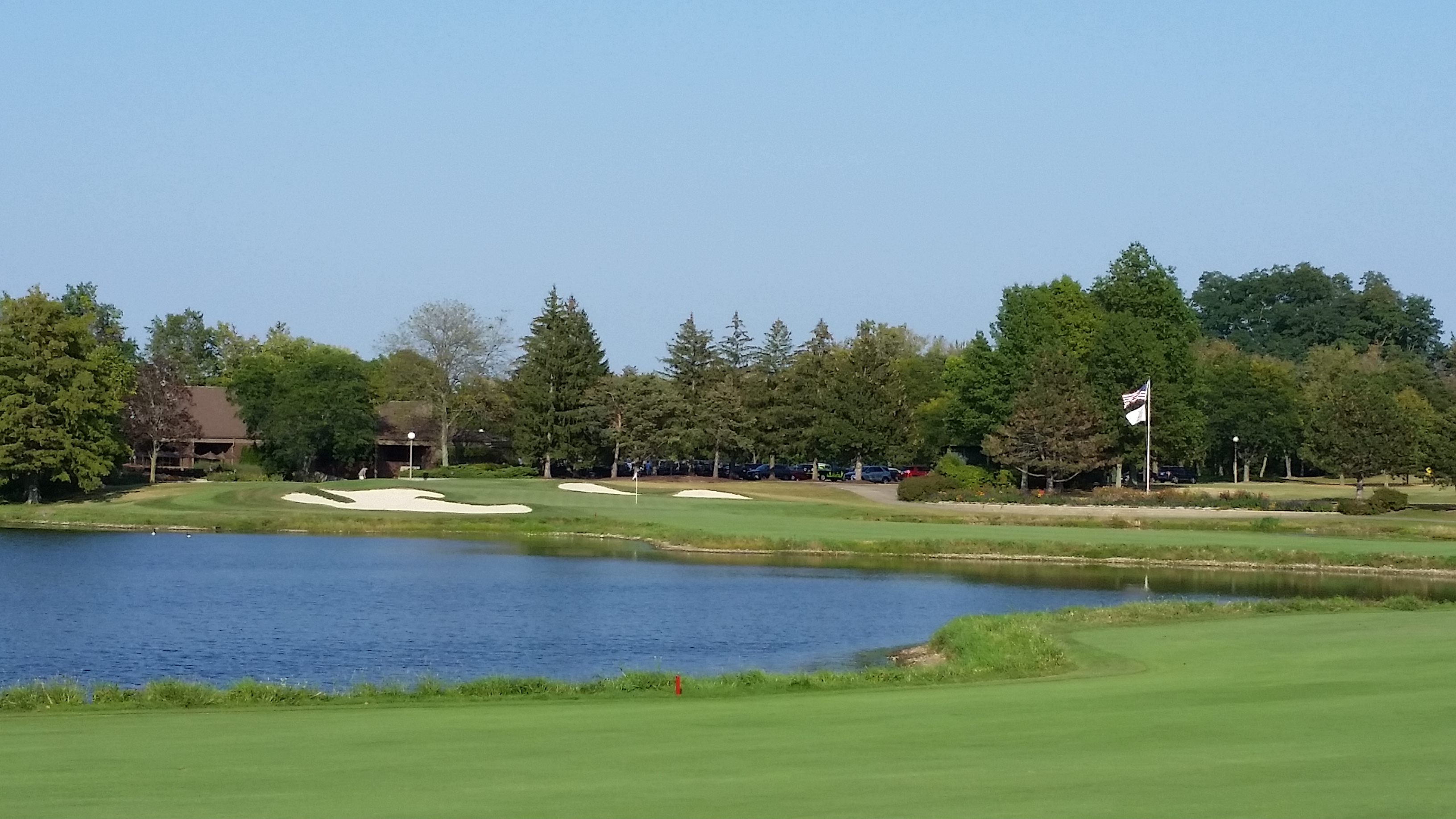
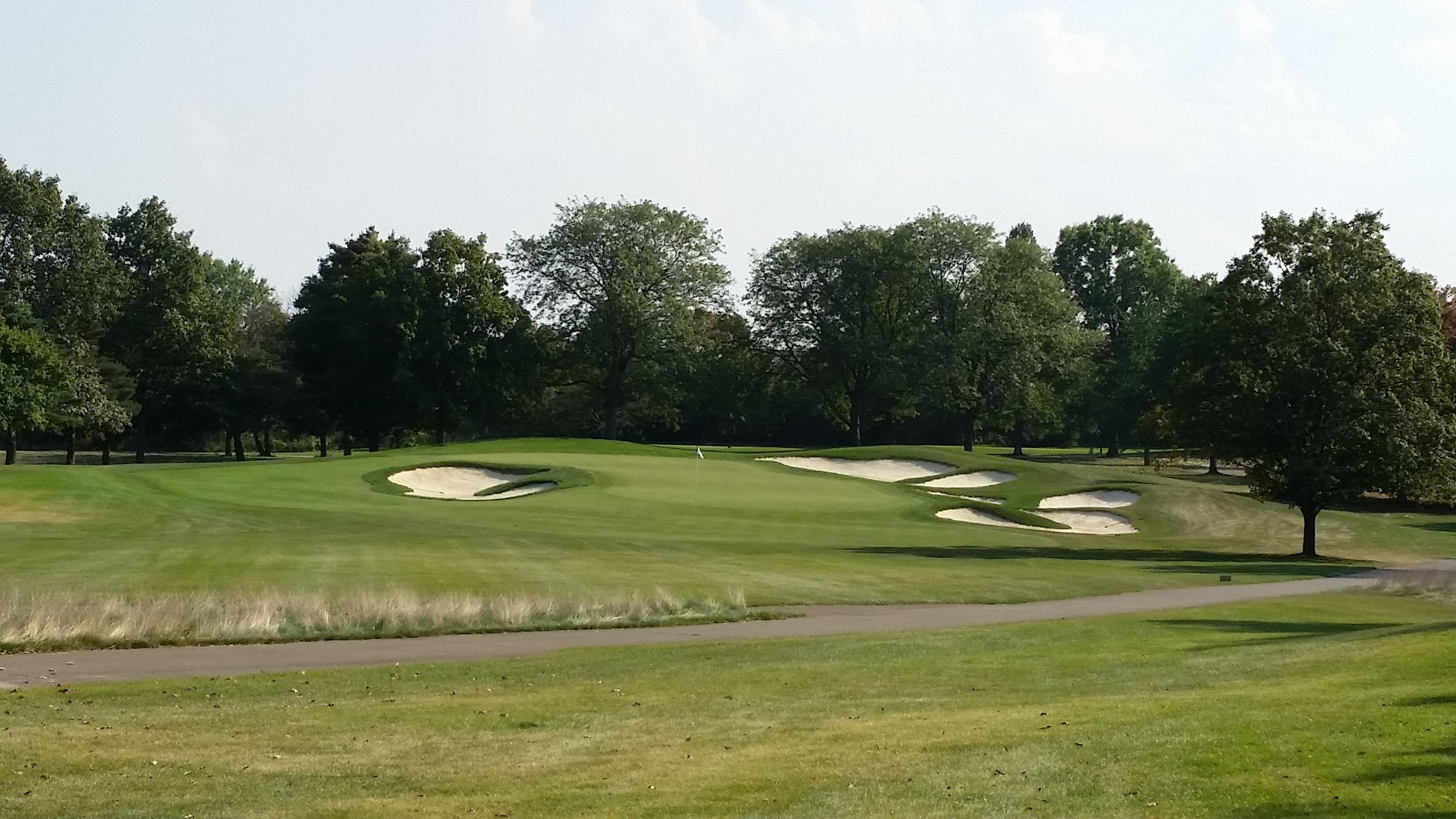
Flossmoor Golf Club offers another view of the championship’s long reach. Harris won there in 1955 and Lance Ten Broeck in 1984. When the Open returned in 2023, Vince India birdied the 54th hole to tie Dylan Meyer, then won a three-hole aggregate playoff with another birdie at the 18th. Nikitas earned his first professional victory at Flossmoor in the 75th playing the following year. One course had now hosted memorable winners across nearly 70 years.
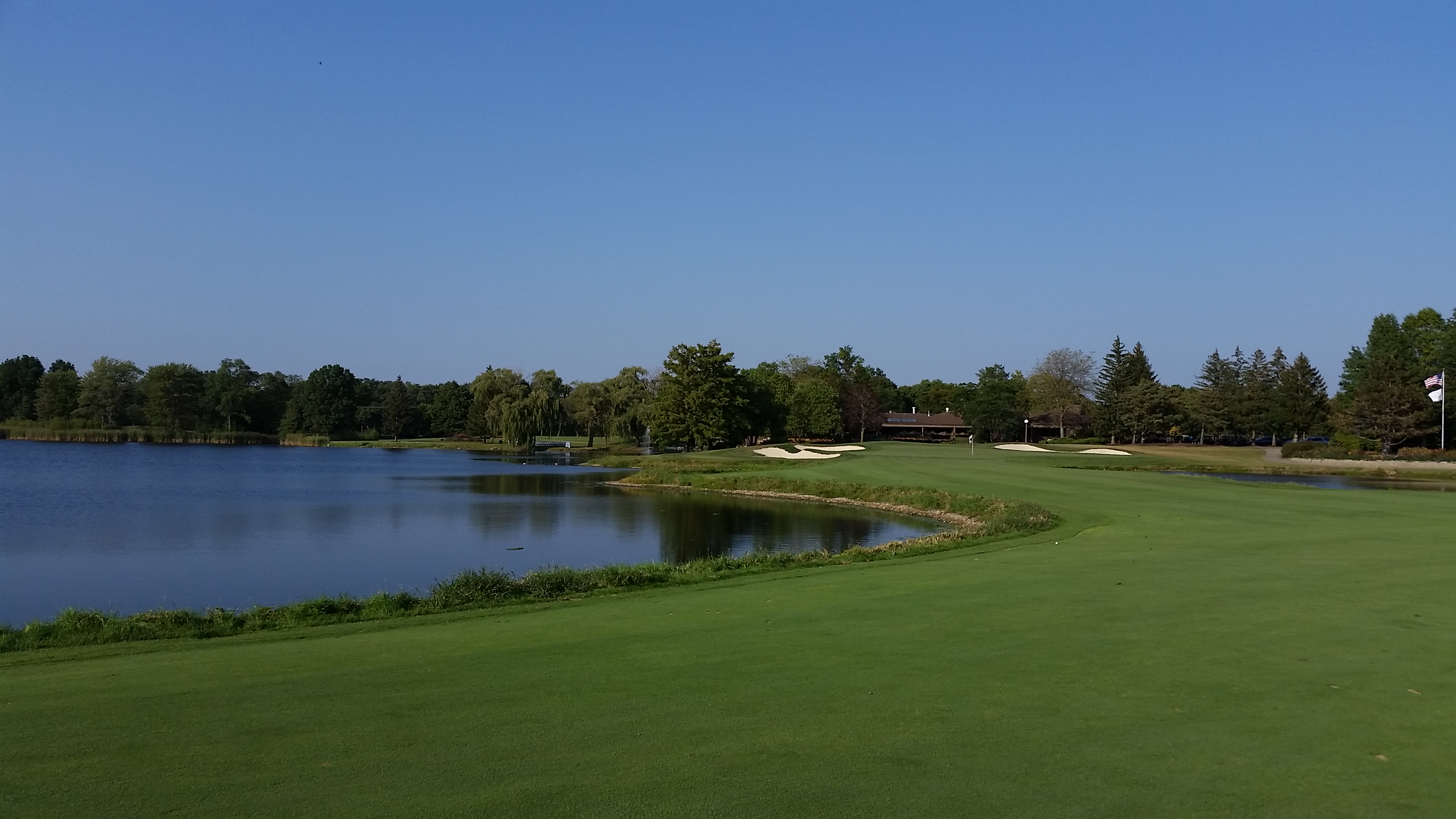
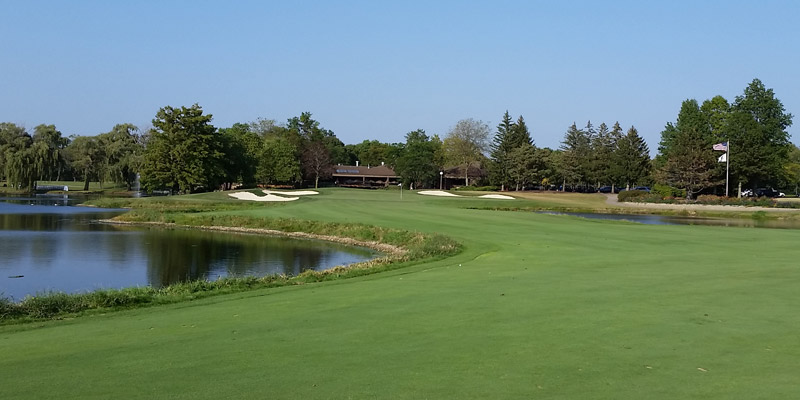
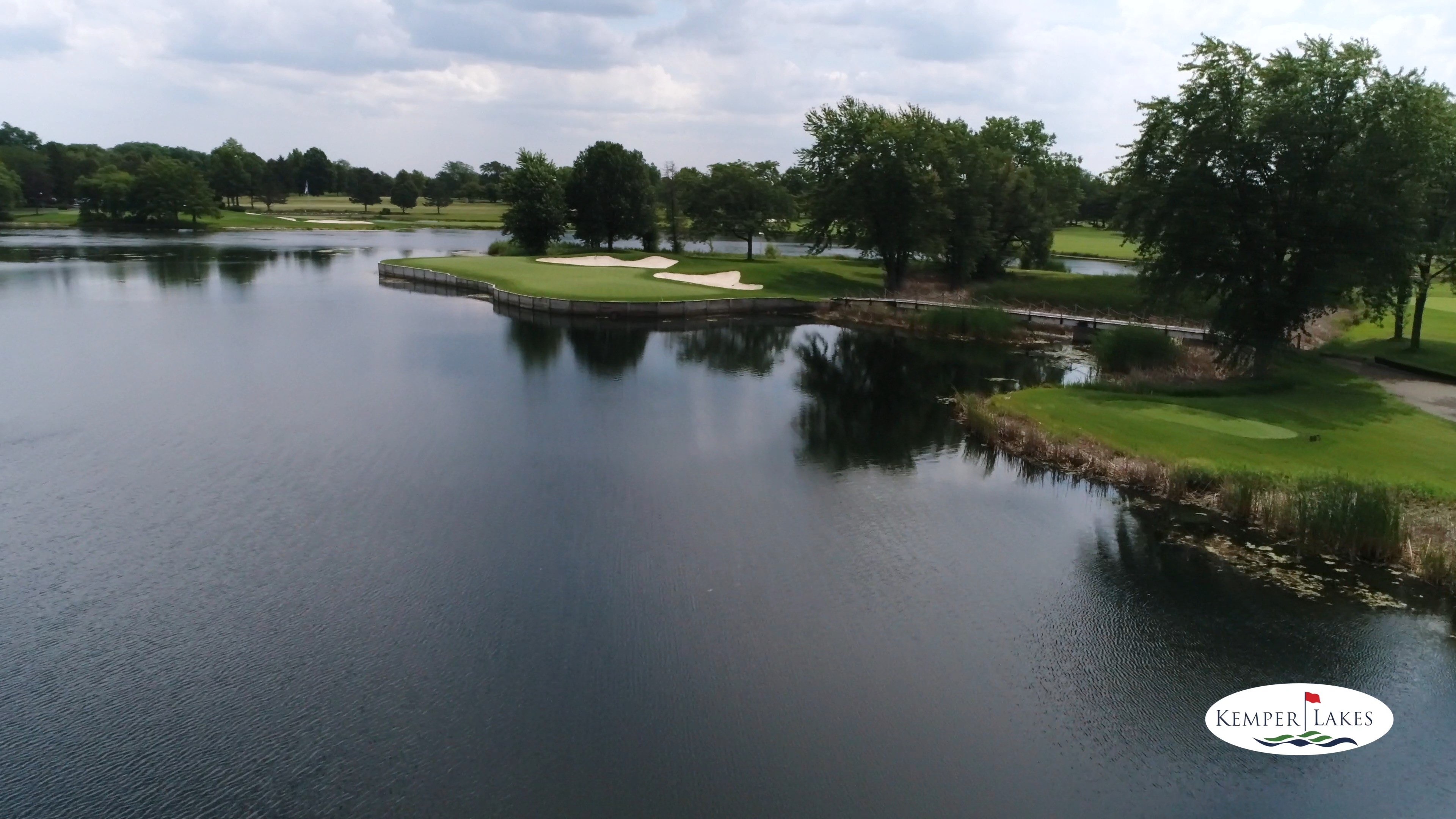
Recent editions have shown how differently a champion can be tested. At Kemper Lakes in 2025, Michael Feagles rallied from three shots back with a closing 69. His one-under-par 215 was the only total below par in the field. A year later at the Jack Nicklaus-designed Wynstone, Nikitas opened with consecutive course-record 63s and finished at a record 196. One championship rewarded survival; the next demanded that the leader keep making birdies. Both belonged unmistakably to the Illinois Open.
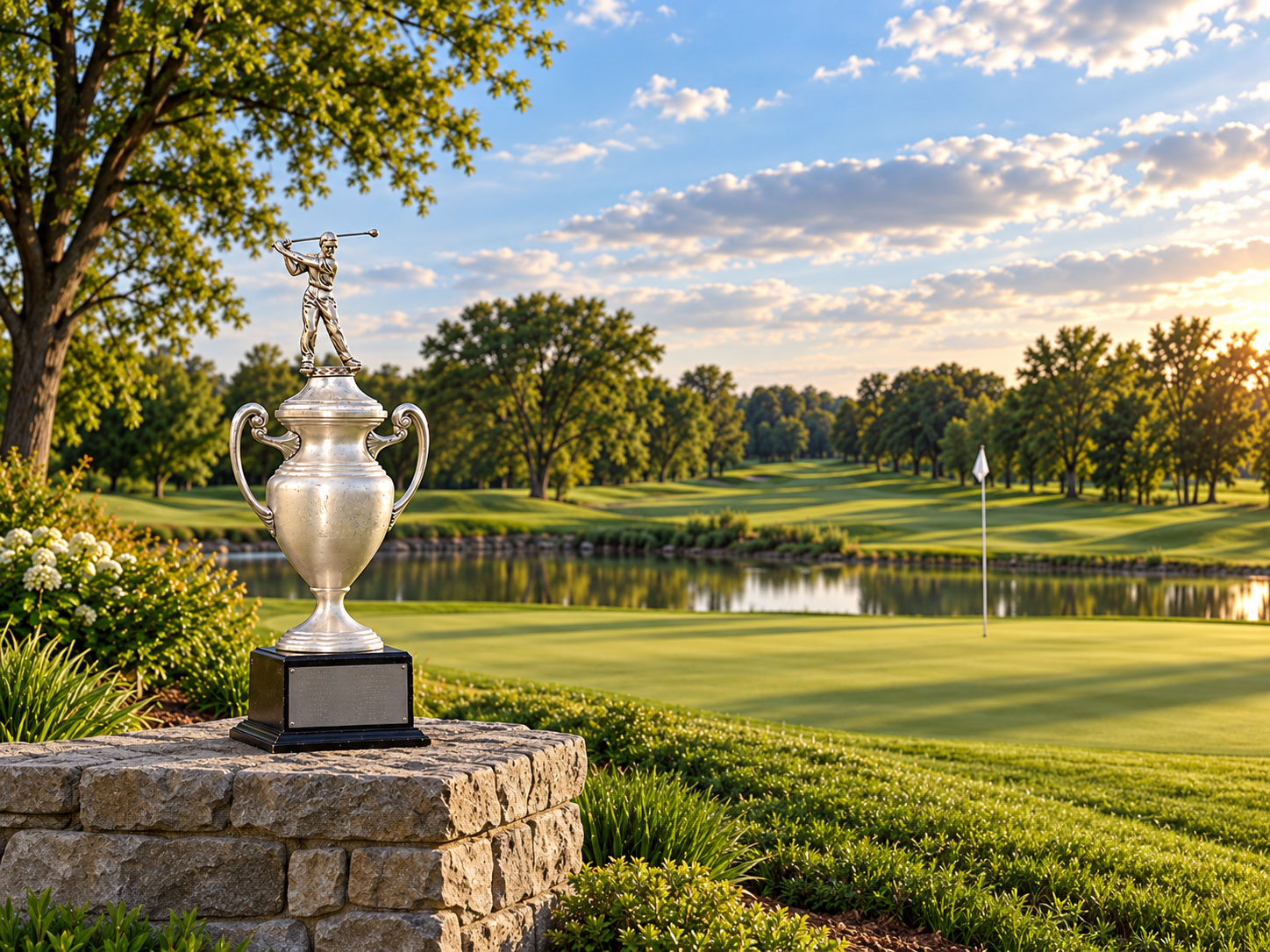
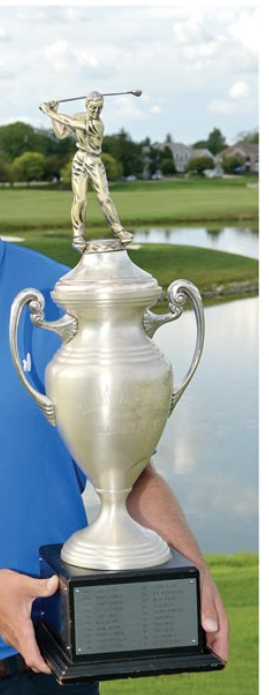
That range is what makes the event special. Its trophy links early Illinois golf figures, national names, working professionals, future touring players and amateurs enjoying the week of their lives. Its changing courses give each generation a fresh test. And every August offers someone else the chance to add a story worthy of the Illinois Open’s history.







 Find a Golf Course
 Find a Driving Range
 Find a Topgolf
 Find a Golf Instructor