
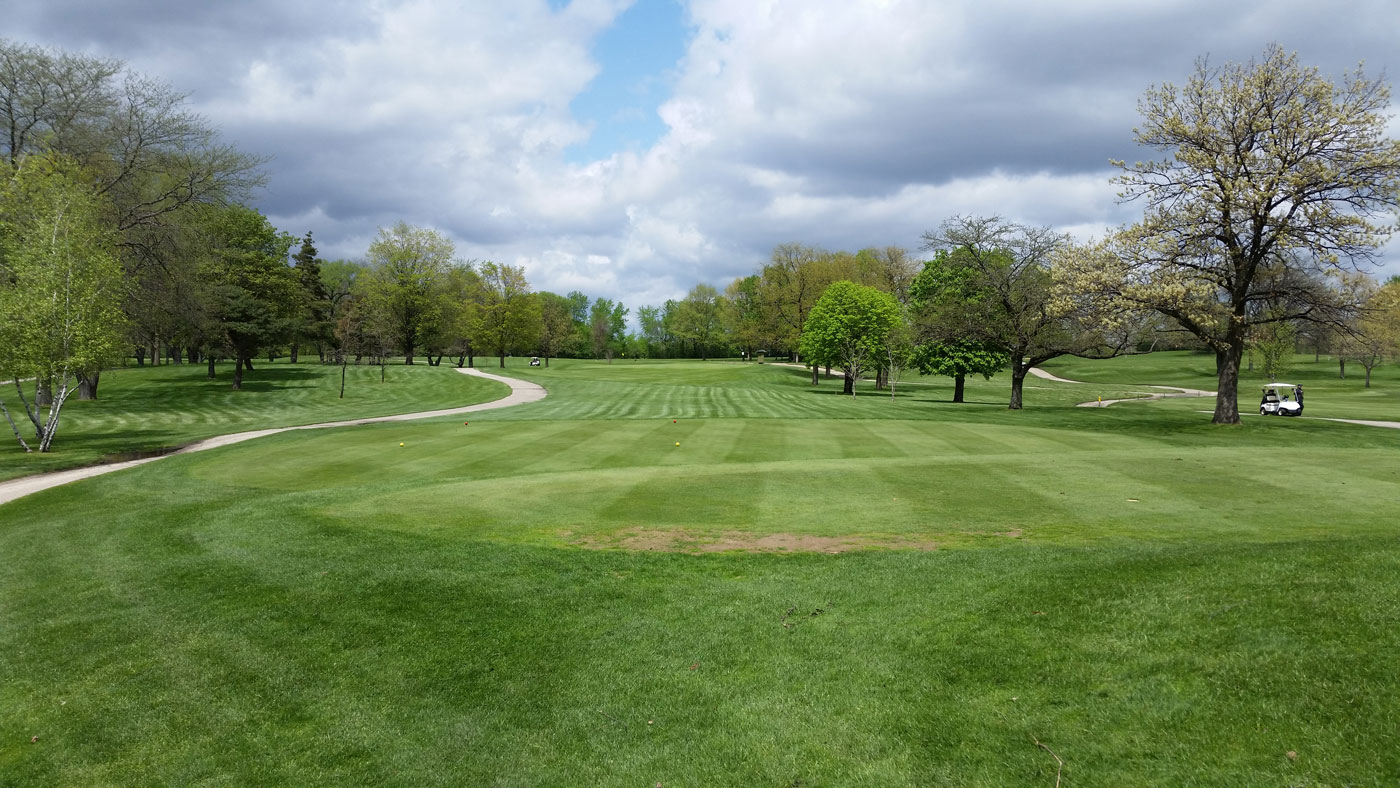
St. Andrews Golf & Country Club in West Chicago is celebrating a milestone that very few Chicago-area golf facilities ever reach: 100 years of continuous golf, family stewardship, and a reputation that’s endured through the Great Depression, wars, economic cycles, and every boom-and-bust era of the game. Opened in 1926, St. Andrews is more than “a place to play.” It’s a living artifact of how Chicagoland golf evolved—especially public golf—and how one property along Route 59 became a long-running home base for generations of golfers.
What makes the centennial especially meaningful is that St. Andrews doesn’t feel like a museum piece. It’s a busy, modern golf destination with two 18-hole championship courses, a major practice center, and the kind of “everyone’s welcome” vibe that has always been part of its DNA.
The dream begins: Frank Hough and a bold 1920s vision
St. Andrews began as the dream of Frank Hough. In 1925, Hough announced plans to build a high-quality 36-hole country club in West Chicago—ambitious for the time, and especially bold given the private-club dominance of Chicago golf in that era. According to the club’s own history, Hough envisioned a facility that could rival the region’s elite clubs and reportedly hired the course superintendent to assist with design and construction.
In 1926, the first course—now known as the St. Andrews Course—was completed. Three years later, in 1929, a second 18 holes opened (originally called Lakewood, later renamed the Joe Jemsek Course).
That 1926–1929 one-two punch created something rare: a 36-hole facility with a historic backbone that would eventually become a landmark in Chicago-area daily-fee golf.
The original architect: untangling a 100-year-old origin story
Any centennial story worth telling has a few fascinating wrinkles—and St. Andrews has one in its architectural record.
On the club’s “About Our Courses” page, St. Andrews states that the original St. Andrews Course was “designed and built in 1926 by John McGregor of the Chicago Golf Club,” while the second course (then Lakewood, now the Joe Jemsek Course) was “designed and built in 1929 by E.B. Dearie, Jr.”
However, veteran Chicago golf writer and Illinois Golf Hall of Famer Len Ziehm wrote that “the club’s story begins in 1926 when architect Edward B. Dearie built the first course,” and that the second 18 was added three years later.
So which is it?
The most responsible way to frame it is this: the St. Andrews property’s early design work is commonly associated with two names—John McGregor and E.B. (Edward B.) Dearie—and different historical accounts place them differently in the timeline. The club itself attributes the 1926 St. Andrews Course to McGregor and the 1929 Lakewood/Joe Jemsek Course to E.B. Dearie Jr. Meanwhile, at least one major historical write-up credits Dearie with the first course.
For a centennial celebration, that’s not a problem—it’s an opportunity. St. Andrews can tell a richer architectural story by acknowledging the record and highlighting what’s consistent across sources: the courses were built in the late 1920s, with design roots tied to respected Chicago-area golf lineage, and the property’s “classic” character has been preserved even as it’s been modernized.
Surviving the Depression—and the arrival of Joe Jemsek
By the early 1930s, the Great Depression hit golf hard. Many courses didn’t survive. St. Andrews did—guided by Frank Hough until his death in 1936, with Hough’s daughters involved in operations as well.
Then came the figure who would define the next era of St. Andrews (and, arguably, public golf in Chicagoland): Joe Jemsek.
The club history describes Jemsek as a young, brash PGA professional who gained fame as a World’s Fair long drive champion, and who later married into the Hough family and took over running the business. Len Ziehm’s account adds detail to the legend: Jemsek gained attention with a massive long-drive showing at the 1934 Chicago World’s Fair and arrived at St. Andrews in the late 1930s after a salary dispute at Cog Hill.
What matters most is what Jemsek did next: he helped transform St. Andrews into a model of high-quality public golf at a time when the “best” golf experiences in Chicago were often gated behind private-club membership.
A pioneer for public golfers—and for women’s golf
St. Andrews didn’t just become popular. It became important.
The club notes several innovations and “firsts,” including hosting a U.S. Open qualifier in 1947 (as a public facility), being among the first to offer USGA handicaps for regular public players, and pushing amenities that felt “private club” for their time.
Just as significant: St. Andrews became a pioneer in women’s golf through the long tenure of Patty Berg, a U.S. Women’s Open champion and Hall of Famer, who served as head professional for nearly 50 years. That kind of continuity—decade after decade—became part of the club’s identity.
If you want to understand why St. Andrews still resonates, it’s right there: the club built a culture around access, tradition, and service, and kept reinforcing it across generations.
Two courses, two personalities
For golfers, St. Andrews has always been a “pick your test” kind of place.
The St. Andrews Course (1926)
The club describes the St. Andrews Course as a design that “will test your game without testing your patience,” with flatter terrain, large contoured greens, and a demanding finish that includes water down the right side of the par-4 18th.
The Joe Jemsek Course (1929; formerly Lakewood)
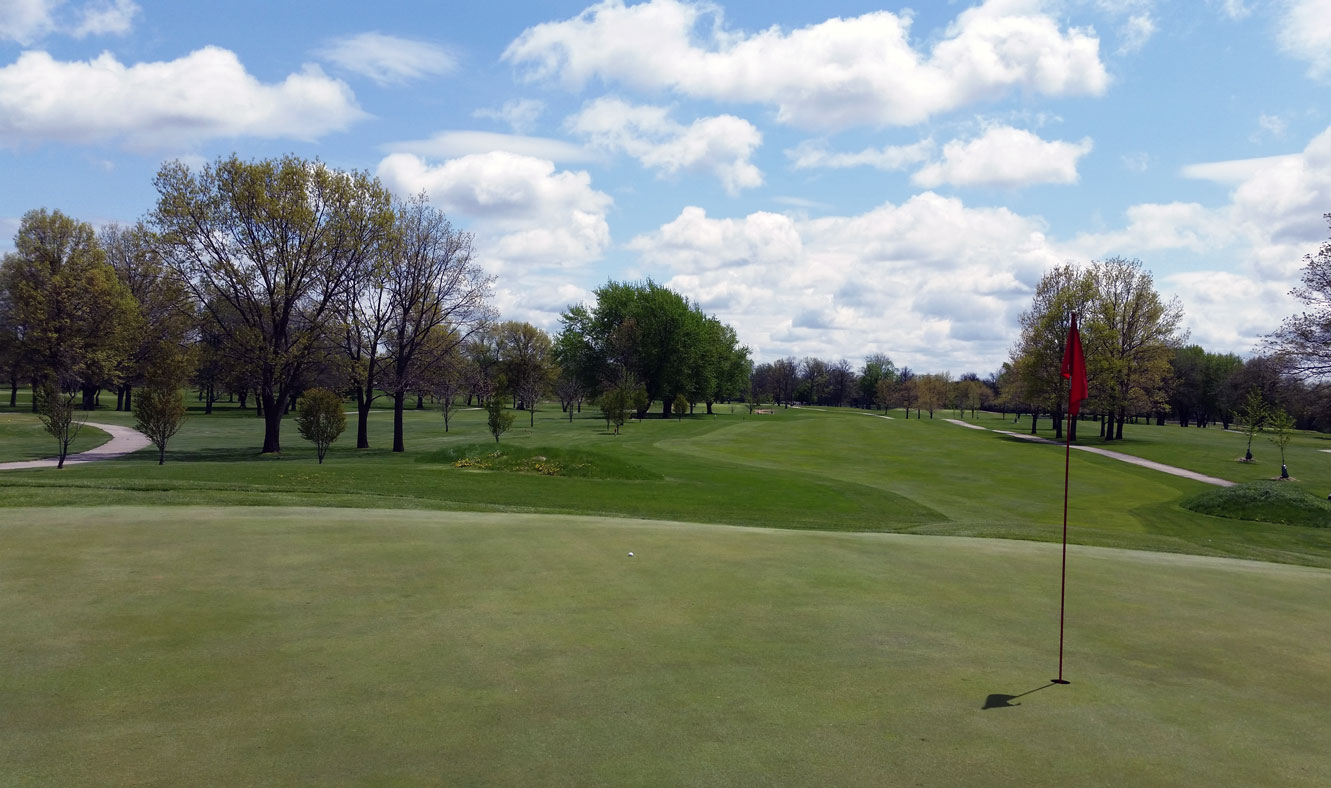
The second course, originally Lakewood and now the Joe Jemsek Course, is described as hillier, with scenic closing holes that bring water into play.
Over time, the facility also embraced the idea that great golf destinations don’t just offer 36 holes—they offer a complete ecosystem of practice, play, events, and community.
Modernization without losing the “original design”
If St. Andrews had stayed frozen in the 1920s, it wouldn’t be thriving in 2026. The interesting part is how it modernized.
The club credits architects Joe Lee and Rockey Roquemore with modifications over the years to update St. Andrews “to today’s standards,” while maintaining the integrity of the original design. Joe Lee also partnered with Dick Wilson to create the famous Dubsdread layout at Cog Hill Golf & Country Club.
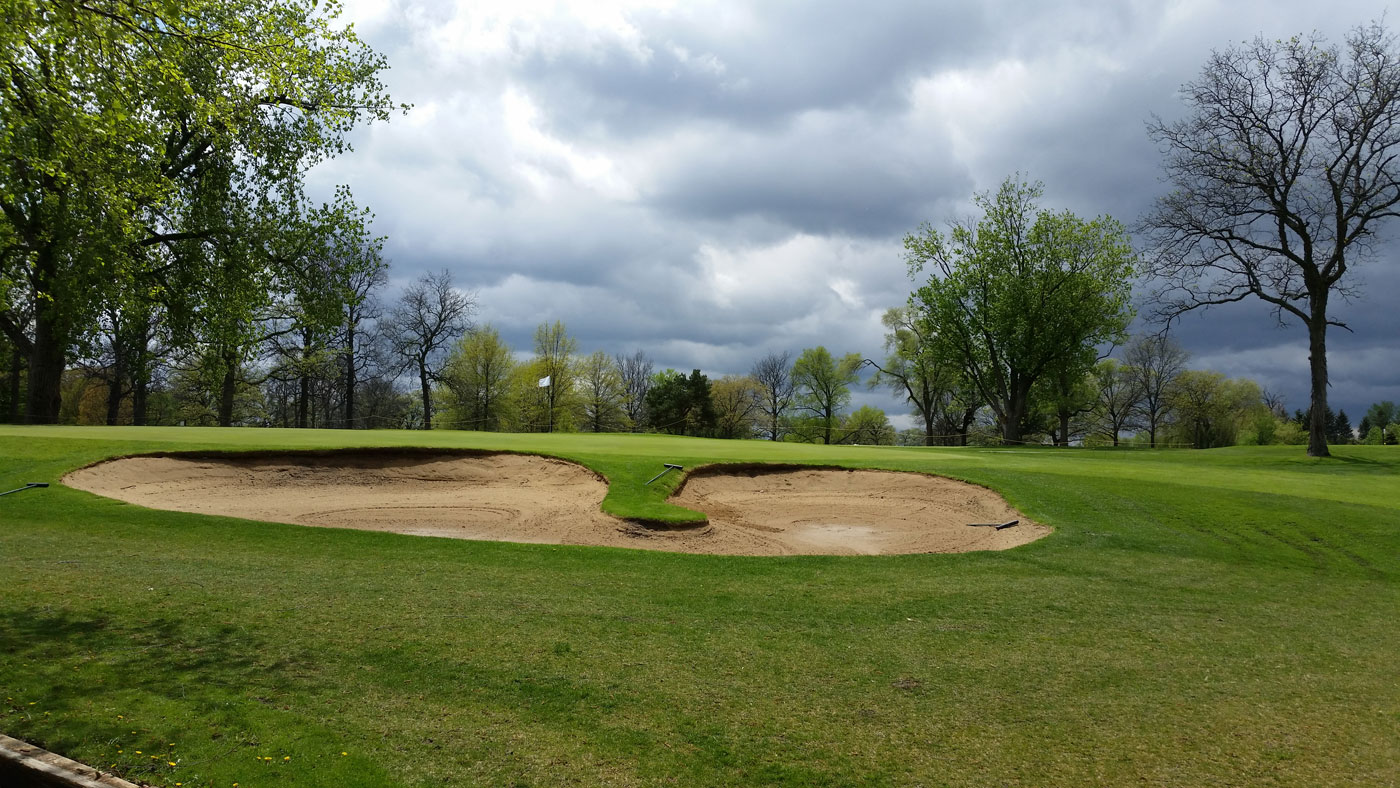
It also notes an in-house architectural continuity: Joe Jemsek (the grandson of Joe Jemsek) serves as staff architect, implementing ongoing design work on bunkers, greens, and tees to enhance playability and aesthetics.
That blend—outside architectural input plus a family “keeper of the keys”—helps explain how the property can feel both classic and current.
The Practice Center era and a broader destination identity
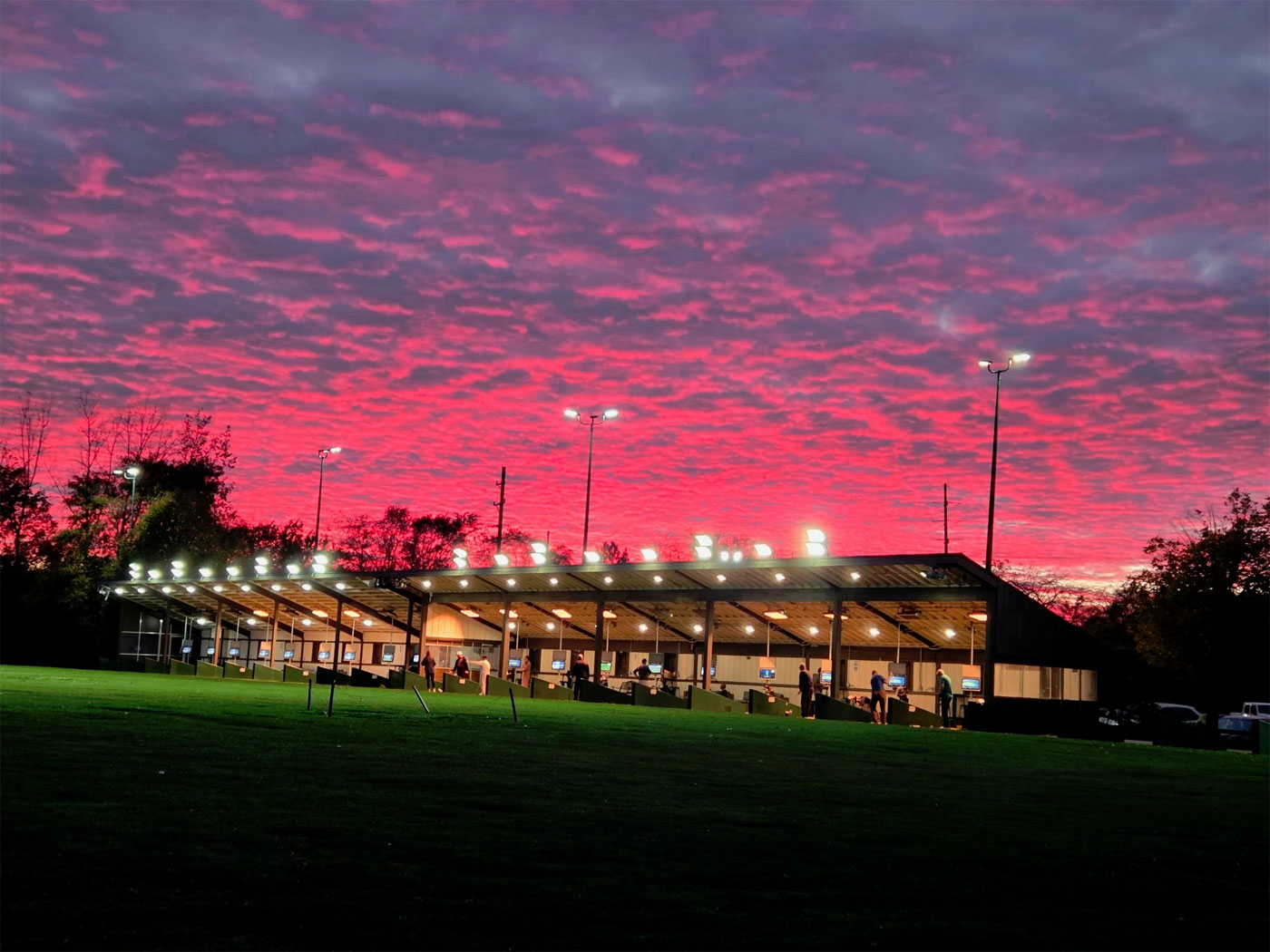
In 1990, St. Andrews completed the St. Andrews Practice Center, which the club says has been repeatedly recognized as a top practice center in Chicago. The St. Andrews Practice Center and driving range now sits on a 32 acre site featuring 20 sheltered and heated hitting bays along with over 80 grass tees and a short game practice area.
That shift mattered. Over the last few decades, many successful public facilities stopped being “just courses” and became golf campuses—places where golfers spend time even when they aren’t playing 18 holes. St. Andrews leaned into that direction early, and it’s a key reason the club remained relevant as the game modernized.
Why the 100-year story matters in 2026
Lots of courses have good holes. Very few have a century of momentum.
St. Andrews’ centennial is a chance to highlight what the property has represented since 1926:
- A bold original vision (build something great, not merely adequate).
- A rare 36-hole historic footprint built in the 1920s.
- A defining role in Chicago-area public golf through Joe Jemsek’s leadership and innovations.
- A deep family legacy that continues today (Jemsek–Hinckley ownership and operations).
- A culture of inclusivity and continuity, from USGA handicaps and U.S. Open qualifying to decades-long staff and pro-shop leadership.
And it’s a chance to tell the architectural story honestly: the original course design is tied to names that carry real Chicago golf pedigree, and the club has respected those roots while evolving the property for modern golfers.
Looking ahead
As St. Andrews enters its second century, the question isn’t whether it has history. It does.
The question is what St. Andrews wants the next 25 years to feel like—and how it can celebrate 100 years not just with ceremony, but with a renewed commitment to the thing that made it special in the first place: great golf, made accessible, delivered with pride, and built to last.








 Find a Golf Course
 Find a Driving Range
 Find a Topgolf
 Find a Golf Instructor