

Few public golf facilities in America carry the history, prestige, and accessibility of Cog Hill Golf & Country Club in Lemont. Since its inception in the 1920s, Cog Hill has stood as a beacon for public golfers, proving that championship-caliber experiences are not reserved for the gates of private clubs. Alongside Bethpage State Park in New York—host of the 2025 Ryder Cup—Cog Hill is widely regarded as one of the top public golf facilities in the country.
Origins & Early History
The story begins with three brothers—John W., Martin J., and Bert Coghill—who came from Monticello, Indiana, and built their livelihoods in Chicago’s electrical industry. In 1926, the Coghills purchased farmland in the rolling countryside near Palos Park, envisioning a public golf course that would provide city dwellers an affordable yet high-quality escape.
Working with Scottish-born architect David McIntosh, the brothers developed Course No. 1, which officially opened on July 4, 1927. The course quickly attracted Chicago golfers seeking both challenge and natural beauty, its fairways routed through gently undulating farmland and shaded groves. Just two years later, demand was so strong that the Coghills expanded across Parker Road, carving out Course No. 2, known as “Ravines,” in 1929.
By the time the Great Depression struck, Cog Hill had already established itself as one of the Midwest’s most ambitious public golf properties. Its success reflected the Coghill brothers’ vision: golf should be democratic, offering the kind of design sophistication and conditioning previously reserved for private clubs. This principle would become the guiding ethos of Cog Hill for decades to come, setting the stage for a transformation under one of golf’s most influential entrepreneurs, Joe Jemsek.
Joe Jemsek & His Impact
If the Coghill brothers laid the foundation for Cog Hill Golf & Country Club, it was Joe Jemsek who elevated the property into one of the premier public golf destinations in the United States.
Born in 1913 to a family of Ukrainian immigrants, Jemsek’s story was a classic American tale of persistence and vision. He began his golf career as a caddie, carrying bags at courses across Chicagoland. By his early 20s, he had earned a reputation not only as a skilled player—famously winning a long-drive contest at the Chicago World’s Fair—but also as a man with an entrepreneurial spirit and a keen sense for what golfers truly wanted.
In 1951, Jemsek purchased Cog Hill from the surviving Coghill brother, Marty, for $400,000. He kept the name, but the club’s trajectory changed dramatically under his leadership. Jemsek believed deeply that public golfers deserved the same quality and service as private club members. At a time when many daily-fee courses were rough around the edges, Cog Hill was groomed and maintained to championship standards, with fast greens, strategic bunkering, and immaculate fairways.
Jemsek’s philosophy extended beyond agronomy. He saw golf as a community and treated every guest as a valued member. His personal habit of thanking golfers on the 18th green with a heartfelt, “Thank you for playing Cog Hill,” became a symbol of his approach: combine world-class conditions with unmatched hospitality.
Over the years, Jemsek expanded the property to include four courses, most notably Course No. 4, Dubsdread, designed by Dick Wilson and Joe Lee. Under Jemsek’s stewardship, Cog Hill transformed from a local favorite into a nationally respected venue, eventually hosting PGA TOUR events and cementing its status as a public course on par with the country’s finest.

Joe and Frank Jemsek
Frank Jemsek and the Next Generation
As the son of legendary golf visionary Joe Jemsek, Frank Jemsek grew up immersed in the culture of Cog Hill Golf & Country Club. From an early age, he learned every aspect of the operation, beginning with modest chores like cleaning parking lots and caddying before progressing to course maintenance and daily management.
That hands-on upbringing instilled in him not only a deep appreciation for the game but also a profound respect for the golfers who walked through Cog Hill’s gates. His father’s mantra—treat every public golfer with the same dignity and service as a private club member—became a philosophy Frank carried forward into his own leadership.
Today, Frank Jemsek serves as the steward of the family legacy, overseeing Cog Hill’s continued evolution while maintaining its historic values. Known for his warm presence around the property, he is often seen greeting players on the first tee or thanking them as they finish their rounds, echoing his father’s famous tradition.
Under his guidance, Cog Hill has embraced both modern innovation—such as Toptracer technology and sustainability initiatives—and a strong commitment to community engagement. Frank’s leadership ensures that Cog Hill remains what Joe envisioned: a public golf mecca where championship quality and everyday accessibility coexist in perfect balance.
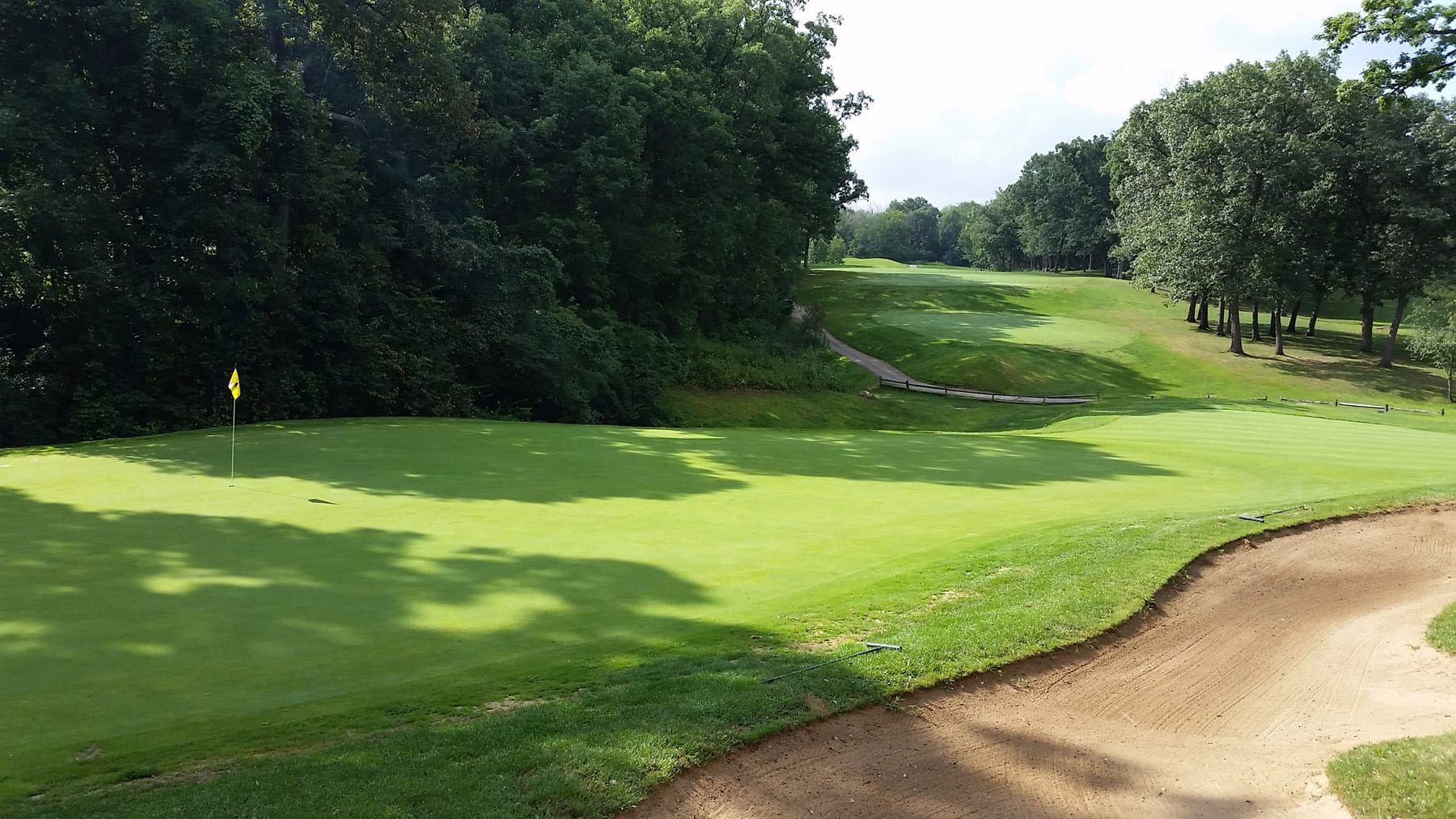
Cog Hill Golf & Country Club – Ravines
The Four Courses
One of Cog Hill’s defining features is its 72 holes of golf, making it one of the largest public golf facilities in the country. Each of its four courses has its own personality, ensuring that golfers of all abilities can find both challenge and enjoyment.
Course No. 1 – “The Blue”
The original Cog Hill layout, known simply as Course No. 1 or “The Blue,” opened in 1927. Designed by David McIntosh, it embodies classic parkland golf with tree-lined fairways and straightforward routing. While not the longest test on the property, it remains a favorite for golfers seeking a traditional, walkable experience with a touch of history.
Course No. 2 – “The Ravines”
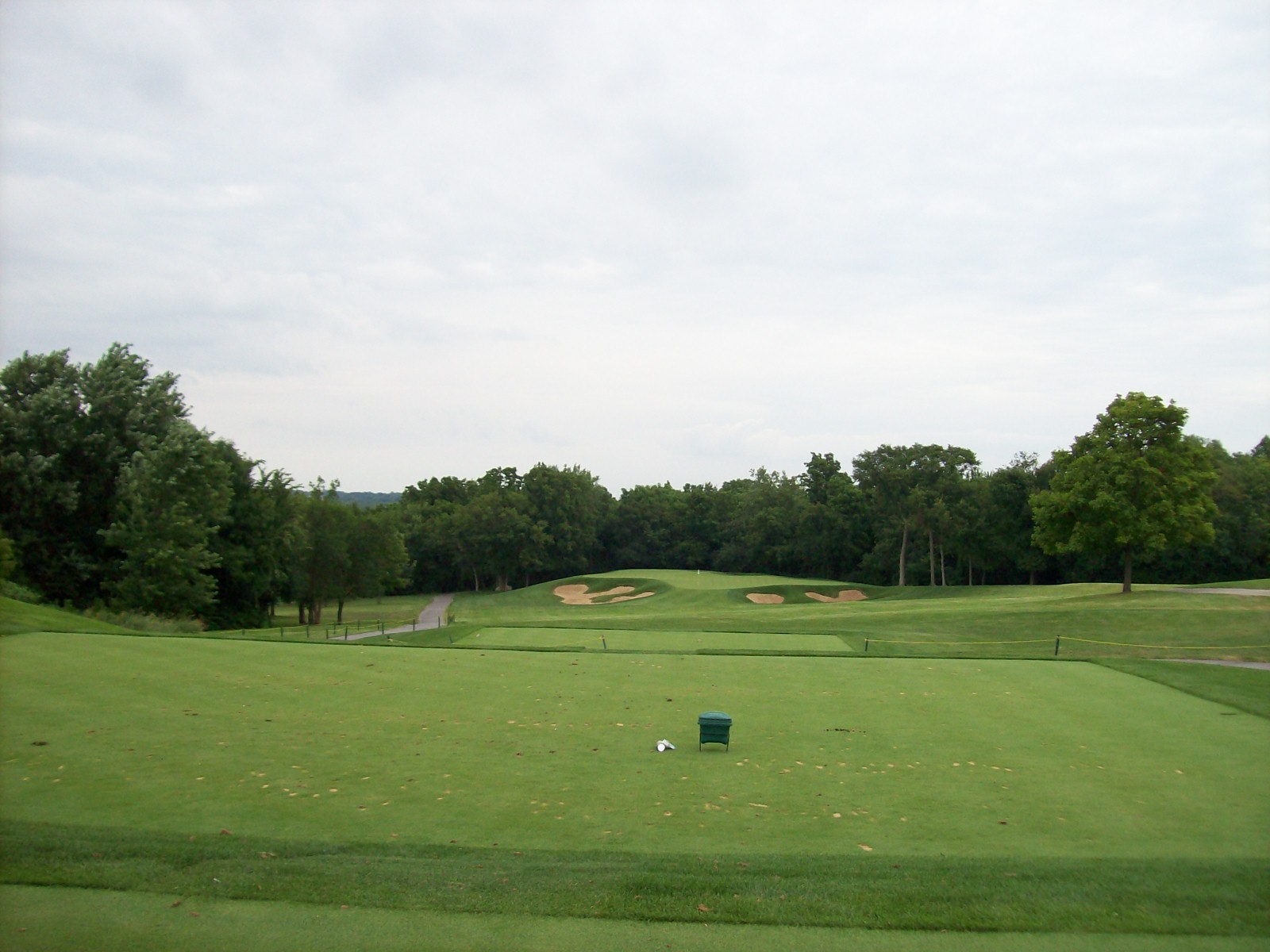
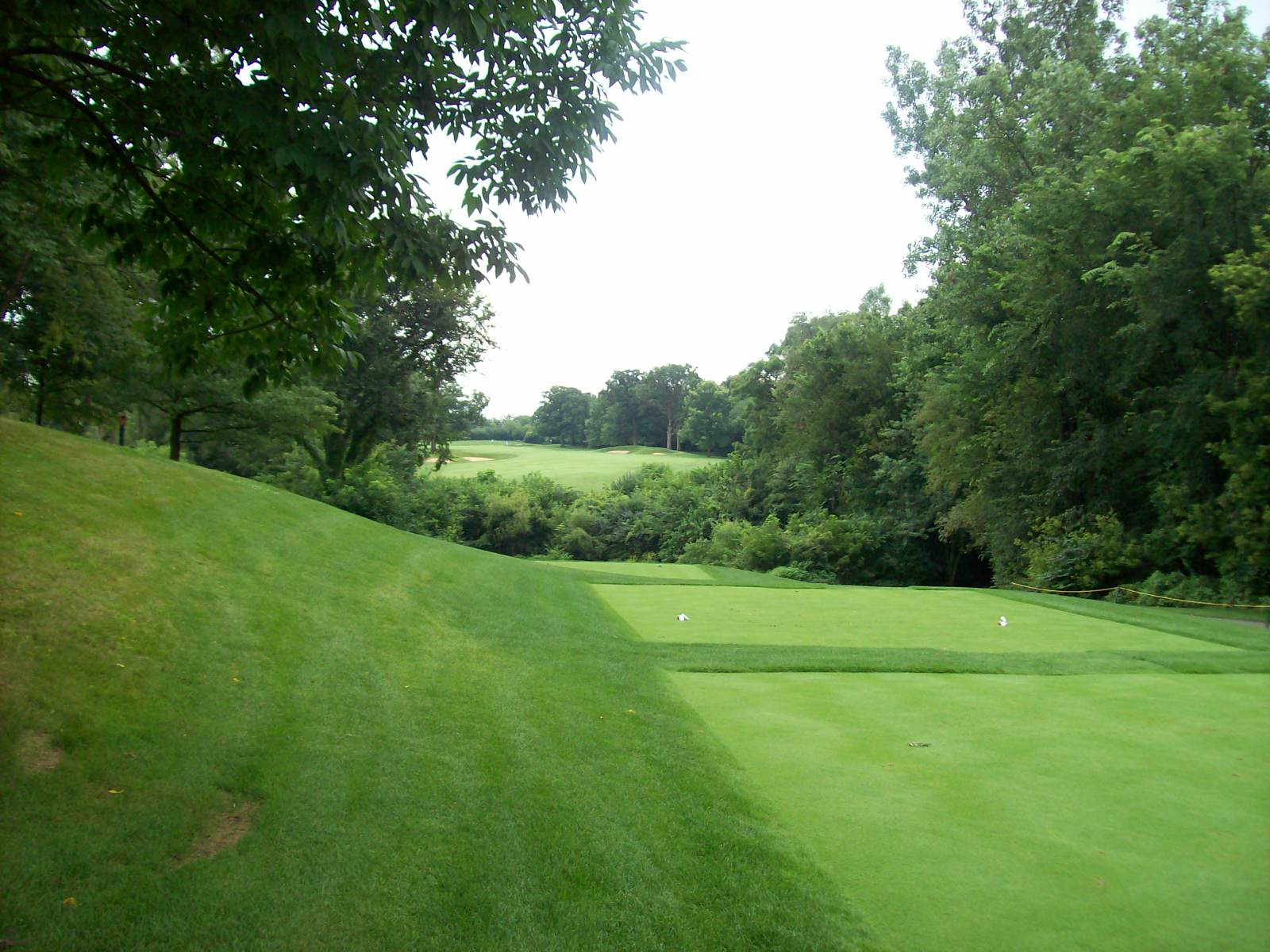
Two years later, the Coghill brothers added Course No. 2, The Ravines, across Parker Road. As the name suggests, the layout features deep natural ravines, dramatic elevation changes, and more forced carries than its older sibling. The Ravines has always been considered the more adventurous of the early designs, offering a visual spectacle that still tests players nearly a century after it first opened.
Course No. 3 – “The Red”
By the 1960s, demand for golf in the Chicago area was booming. To meet that need, Cog Hill unveiled Course No. 3, The Red, in 1963. Designed by the noted team of Dick Wilson and Joe Lee, this par-72 layout blended the best qualities of its predecessors while introducing broader fairways and more modern bunkering. For decades, The Red has served as a favorite of local leagues and traveling groups, striking a balance between playability and strategic interest.
Course No. 4 – “Dubsdread”
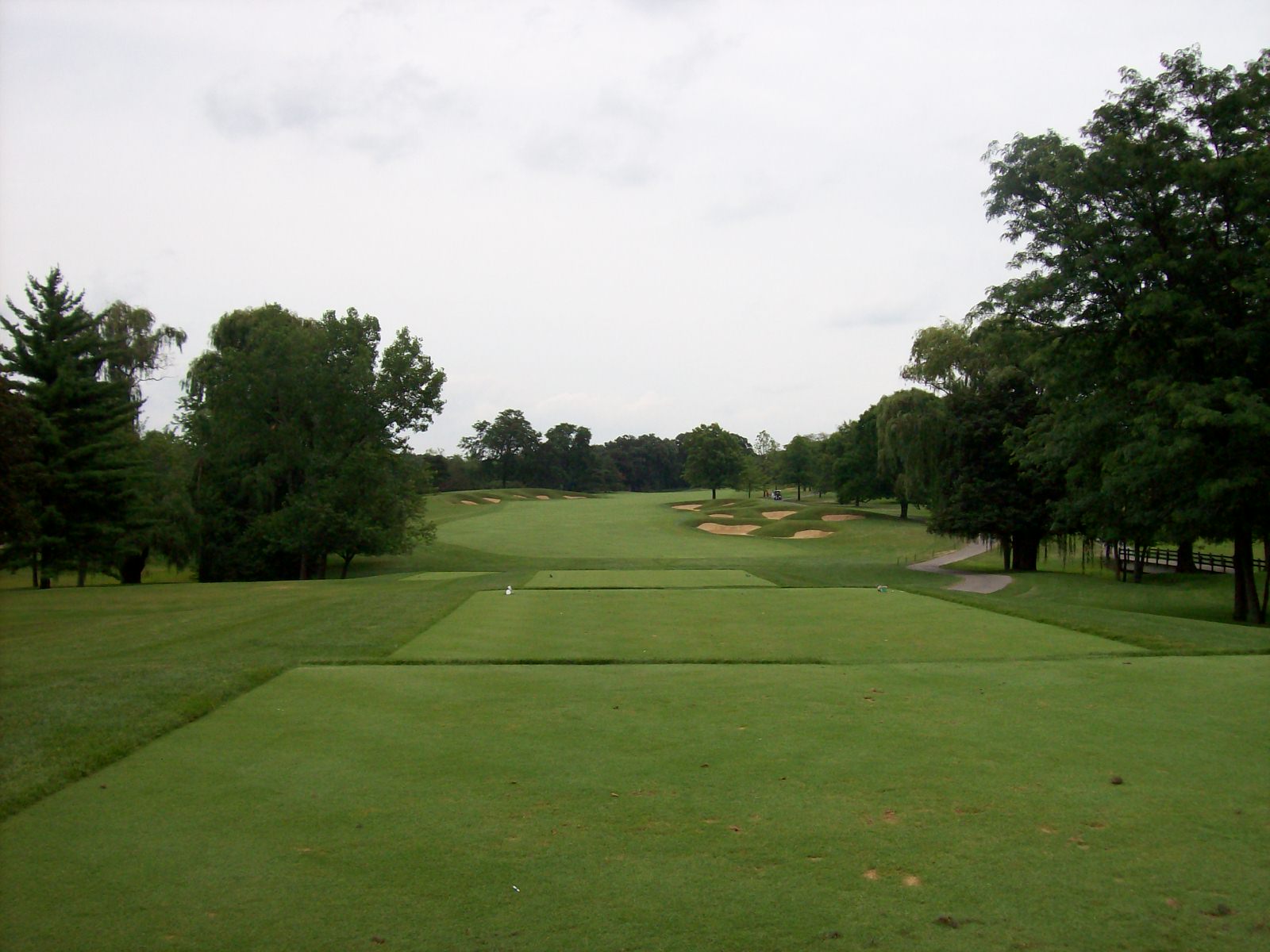
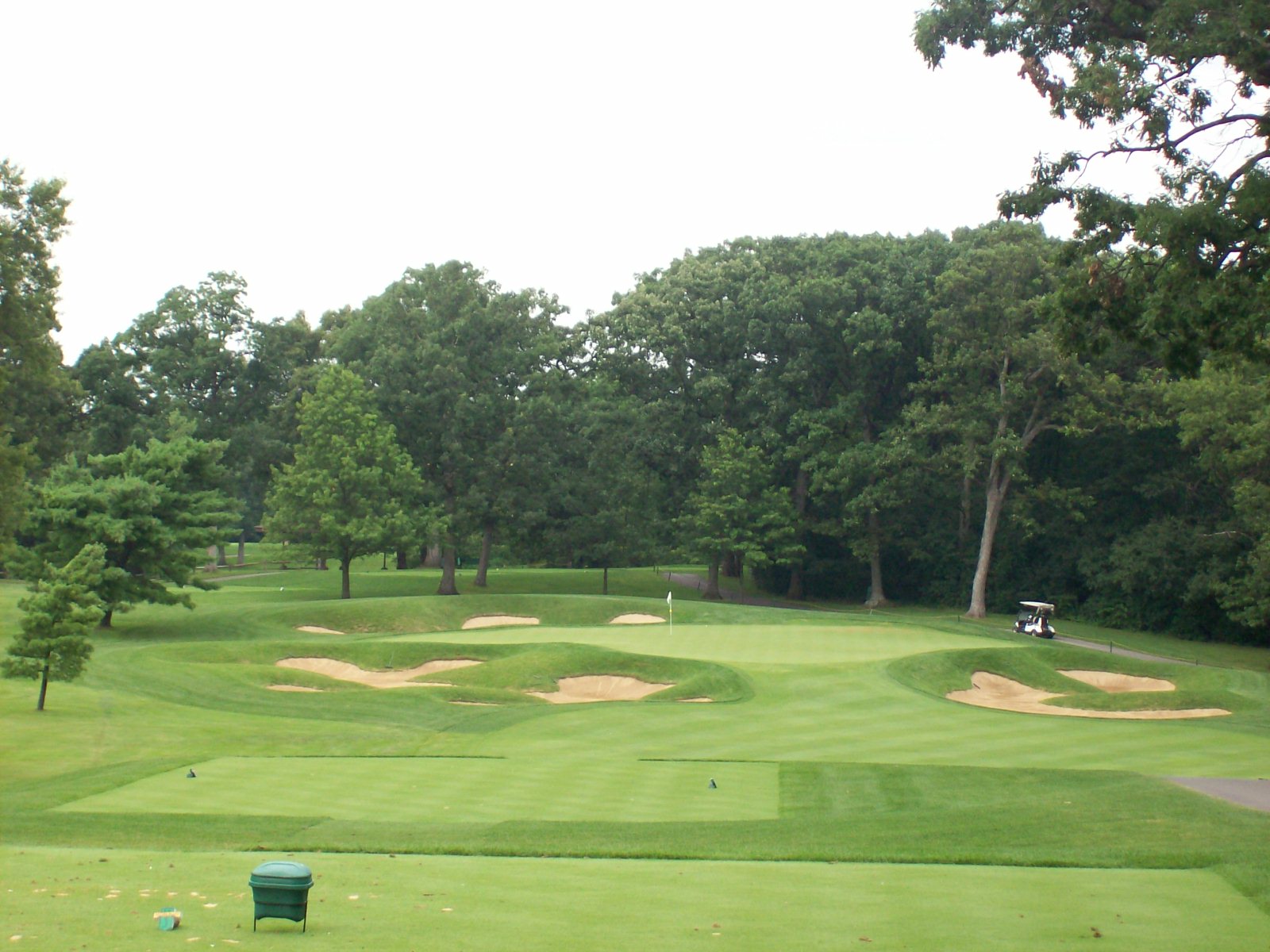
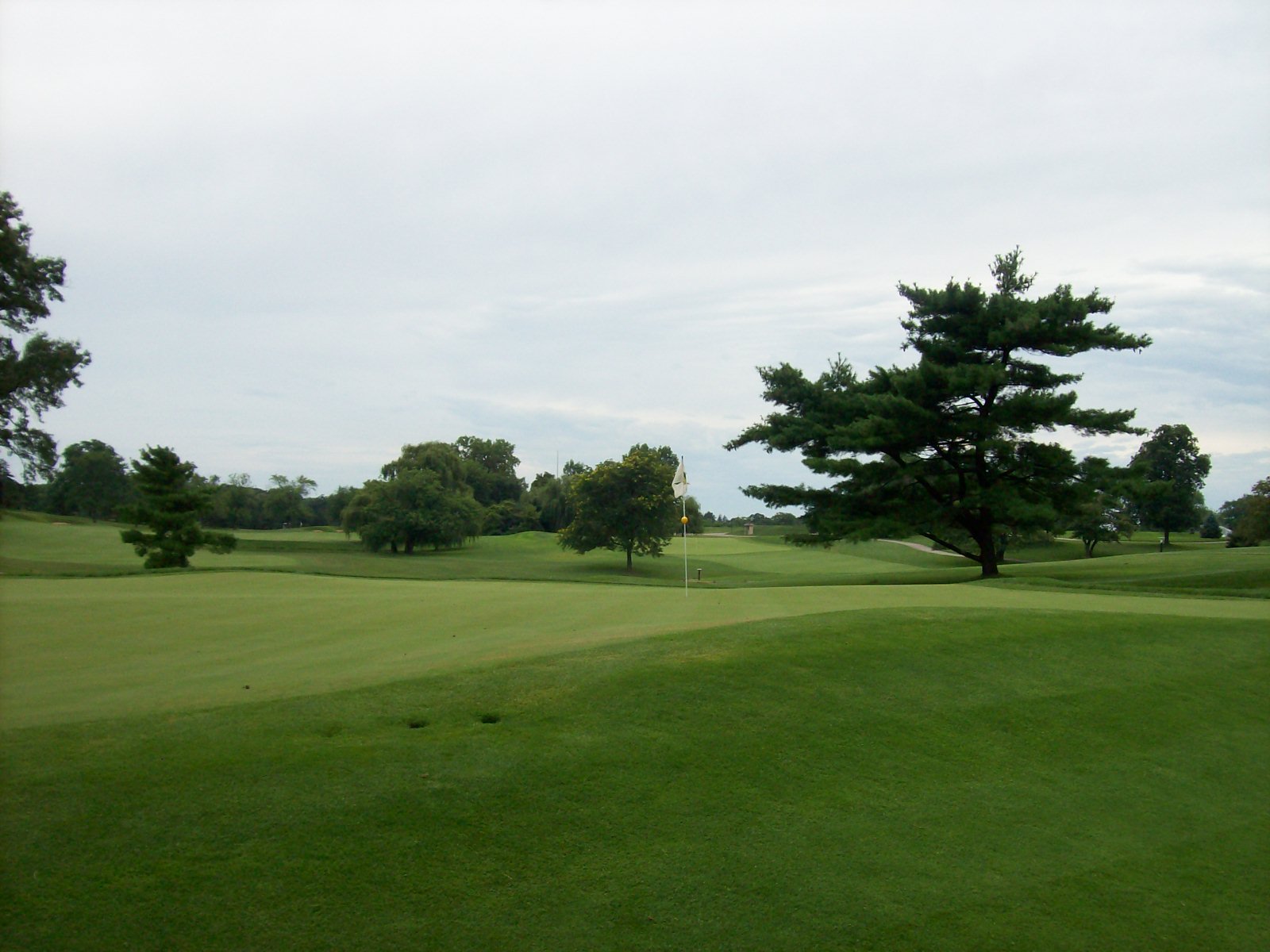
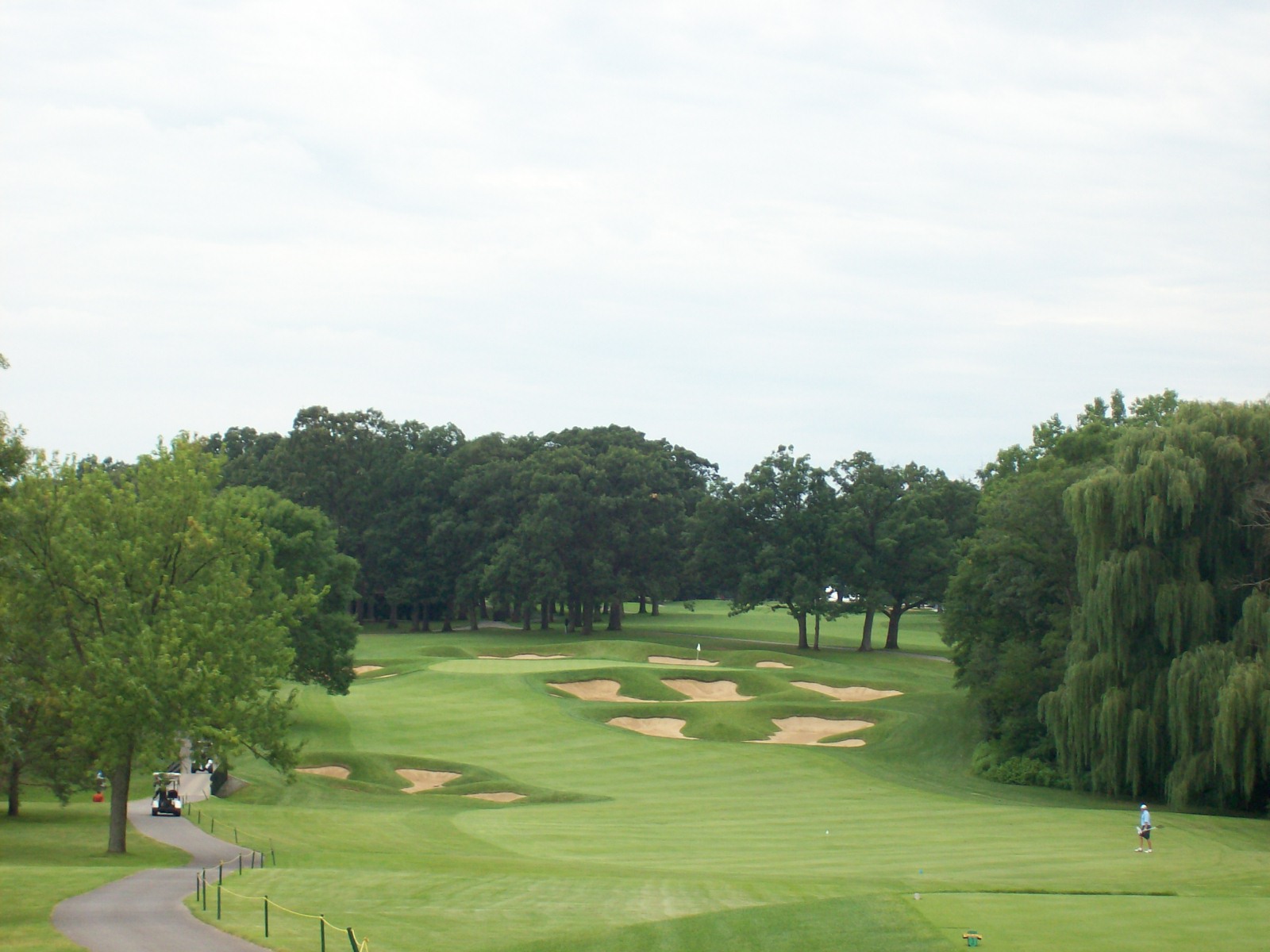
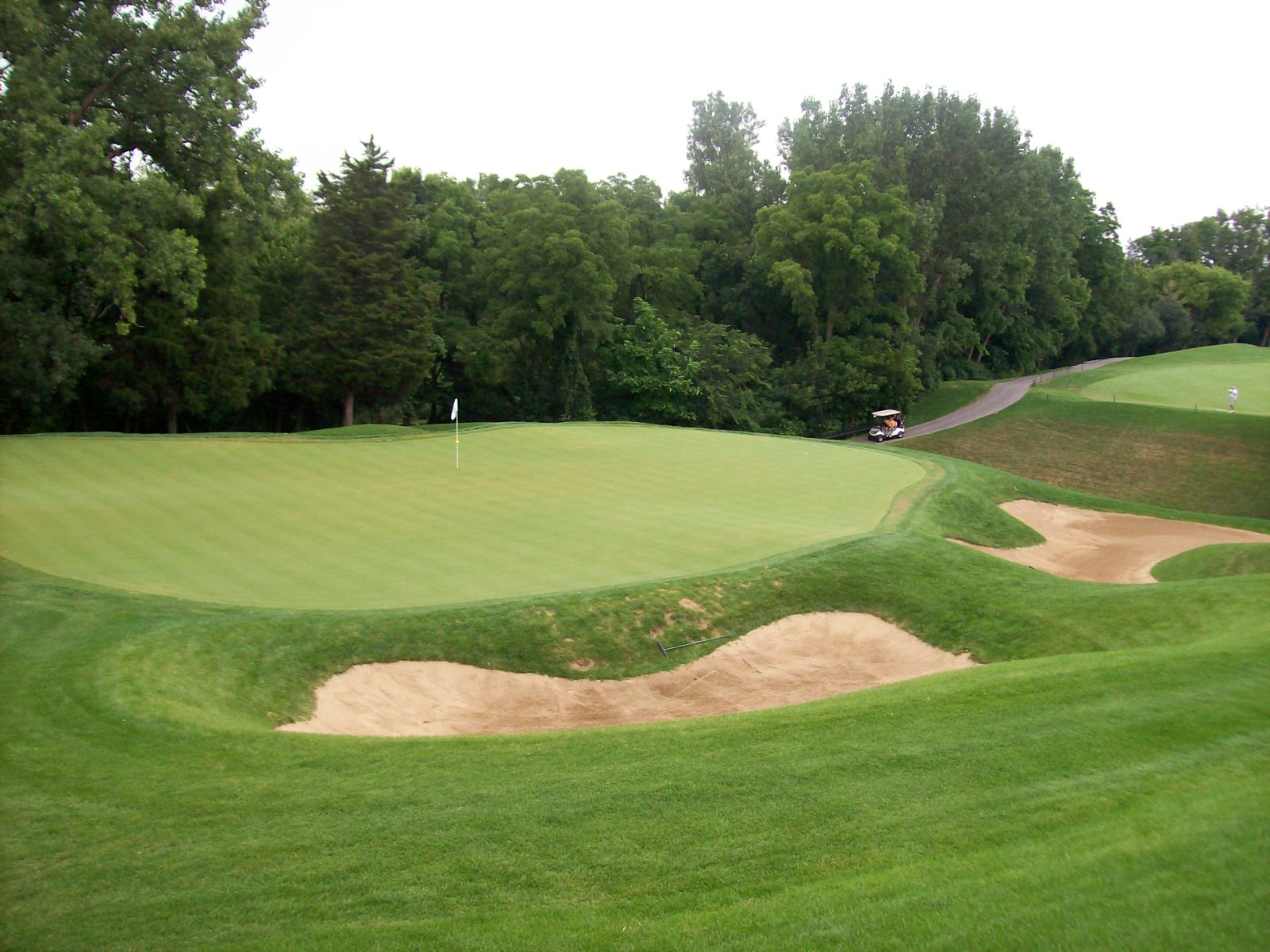
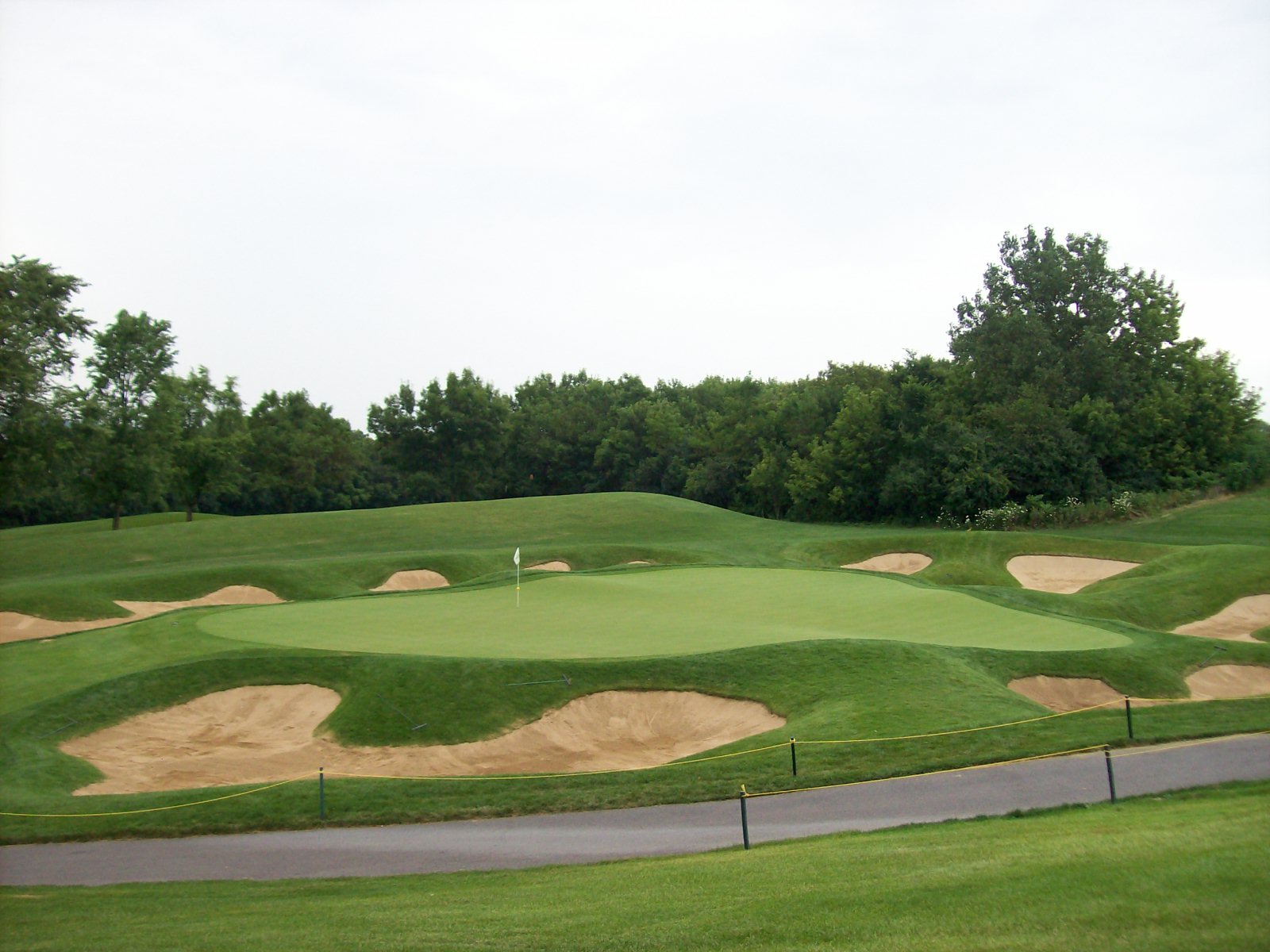
The crown jewel of Cog Hill is undoubtedly Course No. 4, Dubsdread, which debuted in 1964. Also crafted by Wilson and Lee, Dubsdread was conceived as a tournament-caliber test, with long par-4s, deep bunkering, and undulating greens. Its reputation grew quickly, and after a significant renovation by architect Rees Jones in 2008, Dubsdread was elevated to modern championship standards. Tiger Woods famously shot a course-record 62 here in 2009, underscoring both the challenge and the prestige of the layout.
Hosting Tournaments: Western Open & BMW Championship
While Cog Hill has always been a haven for everyday golfers, its reputation soared when the PGA TOUR made the property a regular stop on its schedule. The Western Open, one of the oldest professional tournaments in the country dating back to 1899, found its permanent home on Dubsdread (Course No. 4) in 1991 after the Tour required host clubs to allow minorities and women as members.
For decades, the Western Open was considered “Chicago’s professional golf tournament,” a summer tradition for local sports fans. The event routinely attracted the game’s biggest stars, with Tiger Woods, Phil Mickelson, and Ernie Els among those who battled the demanding fairways and greens of Dubsdread. Woods, in particular, left his mark with multiple victories, including an unforgettable course-record 62 in 2009.
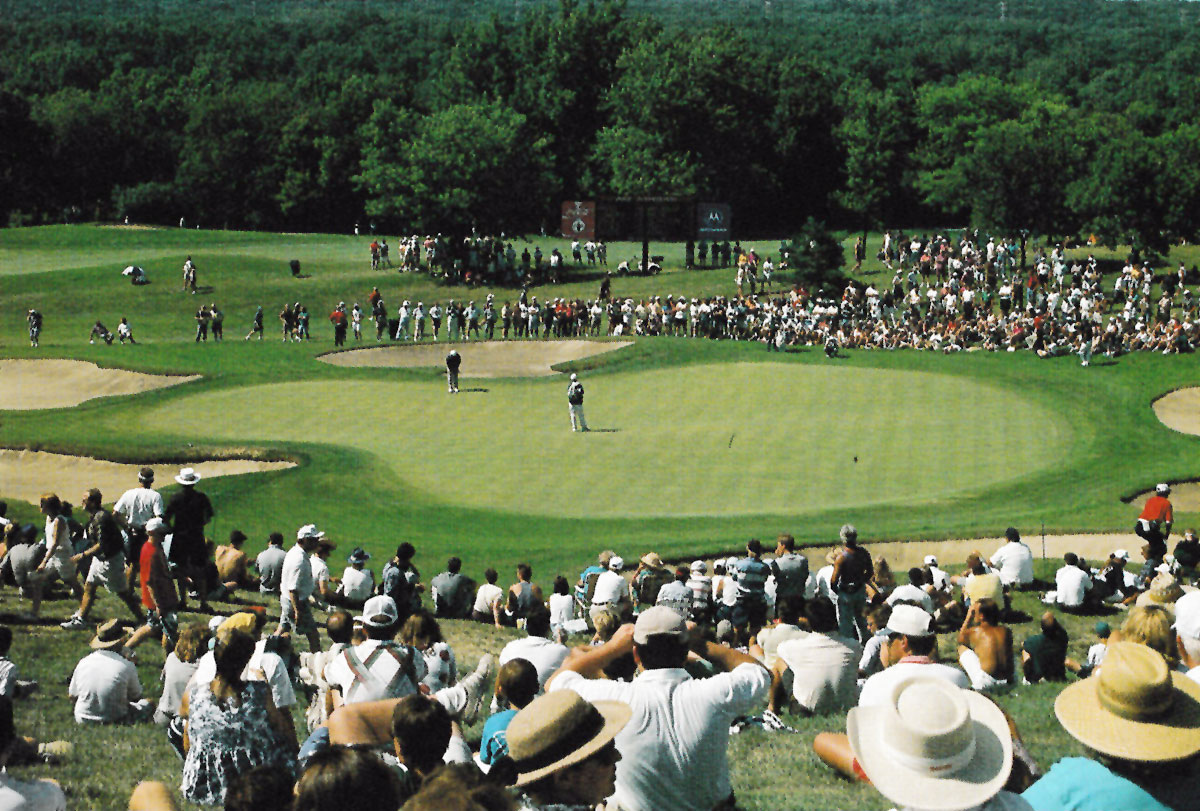
The Motorola Western Open at Cog Hill
In 2007, the Western Open was rebranded as the BMW Championship, part of the FedExCup Playoffs, and Cog Hill continued to host through 2011. These years brought postseason golf drama to Lemont, drawing international television coverage and cementing Cog Hill’s reputation as a premier public venue.
As Chicago Golf Report reflected, “For over 100 years, the Western Open was considered Chicago’s professional golf tournament”—and for 16 of those years, Cog Hill was its proud home. Hosting the Western Open and BMW Championship didn’t just elevate Cog Hill—it elevated the very idea that a public golf facility could stand shoulder-to-shoulder with the world’s finest private clubs.
Recent / Current Focus & Upgrades
Cog Hill’s leadership has never been content to simply rest on history. True to the vision of Joe Jemsek, the club continues to evolve, investing in projects that enhance the golfer’s experience while ensuring the property remains among the top public facilities in the country.
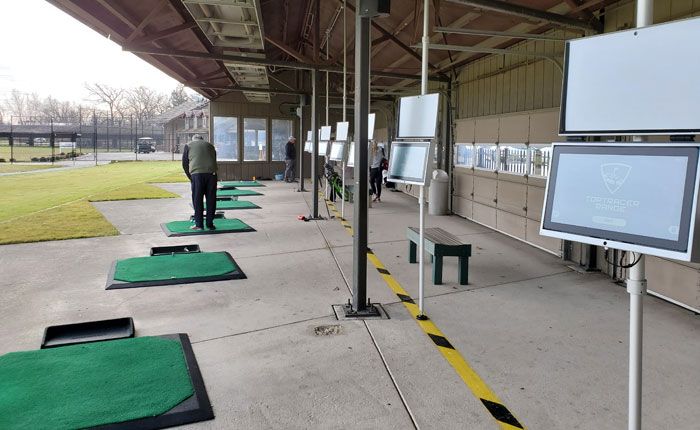
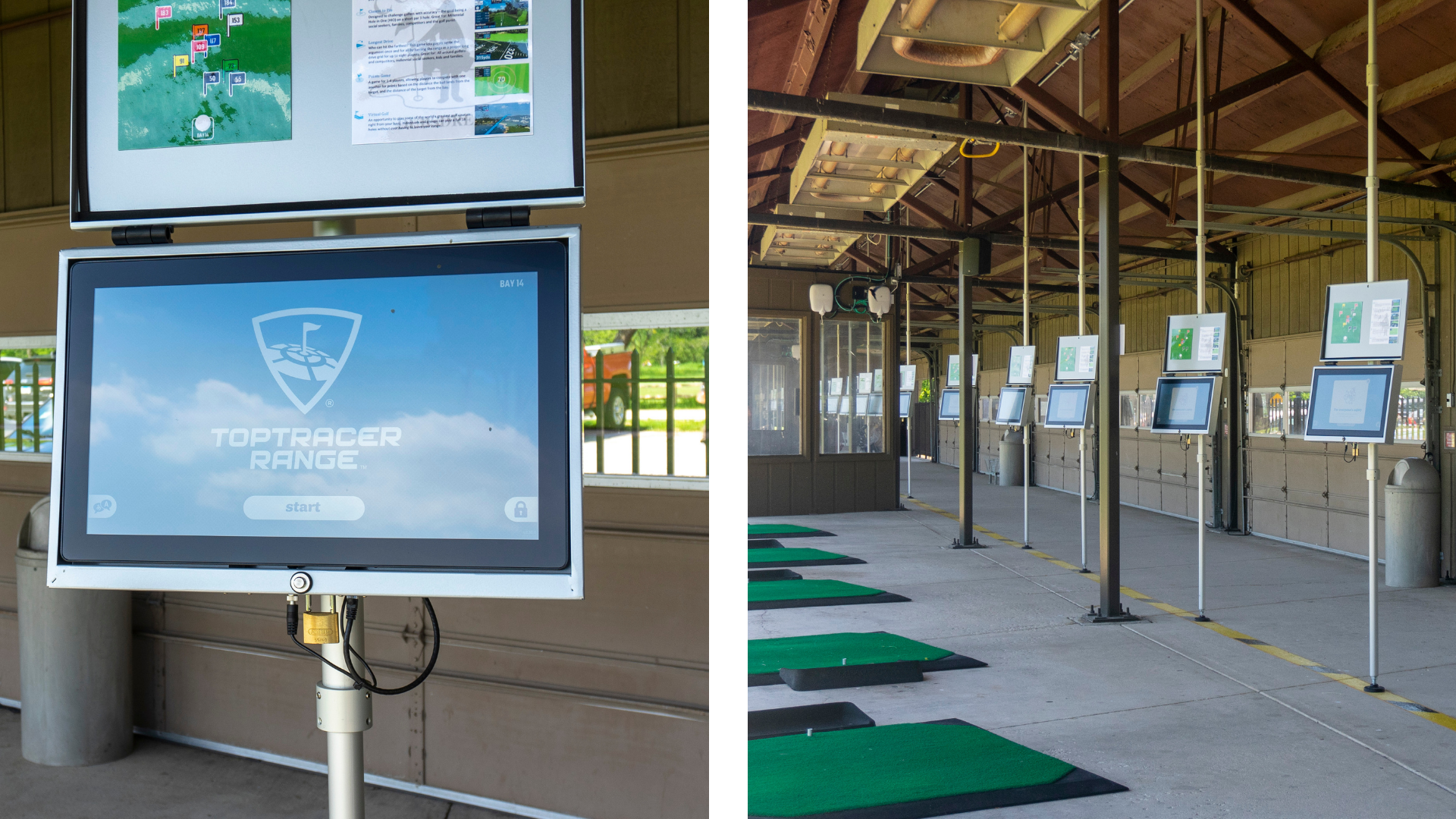
One of the most exciting additions in recent years has been the transformation of the practice range into a state-of-the-art training and entertainment hub. Equipped with Toptracer technology, the range now allows players to track ball flight, distance, and spin with the same precision data used on professional tours. Heated bays and a VIP event space known as Bay 43 extend the facility’s use year-round, creating both a practice ground for serious players and a social venue for groups looking to mix golf with camaraderie.
At the forefront of player development at Cog Hill is Kevin Weeks, the club’s highly respected Director of Instruction. Recognized as one of the top golf teachers in America by Golf Digest and the PGA of America, Weeks has built a reputation for blending cutting-edge technology with an approachable, player-first philosophy.
His work with juniors, amateurs, and professionals alike reflects Cog Hill’s commitment to making championship-level coaching accessible to every golfer. Whether using advanced motion-capture systems to refine a swing or instilling the fundamentals in a beginner, Weeks embodies the Jemsek family’s vision: that public golf can—and should—offer world-class expertise.
On the course side, Dubsdread (Course No. 4) has undergone significant renovations to balance its role as a championship venue with the needs of everyday golfers. In recent updates, nearly 90 bunkers were renovated with modern liners and reshaped for strategic play. Chipping areas were added around greens to expand short-game options, and fairway bunkers were repositioned to better reflect today’s game. These improvements make the course more enjoyable for the public without sacrificing its demanding reputation.
Cog Hill has also leaned into sustainability and environmental stewardship. The club has reduced rough acreage to restore native prairies, introduced pollinator-friendly habitats, and refined water management through advanced irrigation and hand-watering practices. Even the restaurant reflects this eco-conscious approach, sourcing fresh produce from Fairway Farms & Apiary, an on-site initiative that grows vegetables, fruits, and honey for use in the clubhouse kitchen.
These forward-looking upgrades reinforce Cog Hill’s mission: to offer a golf experience that combines championship quality with accessibility, while staying innovative in practice, technology, and environmental responsibility.
The Ongoing Vision & Challenges
As Cog Hill Golf & Country Club looks to the future, its mission remains clear: to provide world-class golf for the public, while honoring its history as one of America’s most beloved facilities. The balance between tradition and innovation is delicate, but it is also what has made Cog Hill a model for public golf nationwide.
One ongoing challenge is maintaining Dubsdread’s championship pedigree while ensuring that the course remains playable for everyday golfers. The renovations of recent years—reshaped bunkers, expanded short-game areas, and multiple teeing options—reflect this balancing act. Cog Hill aspires to continue hosting major tournaments, perhaps even one day achieving Joe Jemsek’s dream of welcoming a U.S. Open, but it must also delight the thousands of daily-fee players who see the course as their golfing home.

Cog Hill Driving Range
Another focus is expanding the golfer’s experience beyond the fairways. The upgraded Toptracer driving range, heated bays, and Bay 43 event space show how Cog Hill is reimagining itself not just as a golf destination, but as a social and recreational hub. These investments keep the property competitive in a market where modern golfers increasingly seek entertainment, data-driven practice, and year-round engagement.
At the same time, Cog Hill continues to embrace environmental responsibility, from prairie restoration to water conservation and farm-to-table dining. These initiatives not only reduce costs and protect the land, but they also demonstrate leadership in sustainability—a theme that resonates with today’s golfers and the broader community.
Ultimately, the vision that began with the Coghill brothers in the 1920s and was carried forward by Joe Jemsek in the 20th century is thriving in the 21st. Cog Hill remains a living example of what public golf can be: accessible yet aspirational, community-driven yet championship-caliber. In a landscape where so many courses have come and gone, Cog Hill stands tall—shoulder to shoulder with iconic venues like Bethpage Black—as proof that great golf belongs to everyone.













 Find a Golf Course
 Find a Driving Range
 Find a Topgolf
 Find a Golf Instructor