
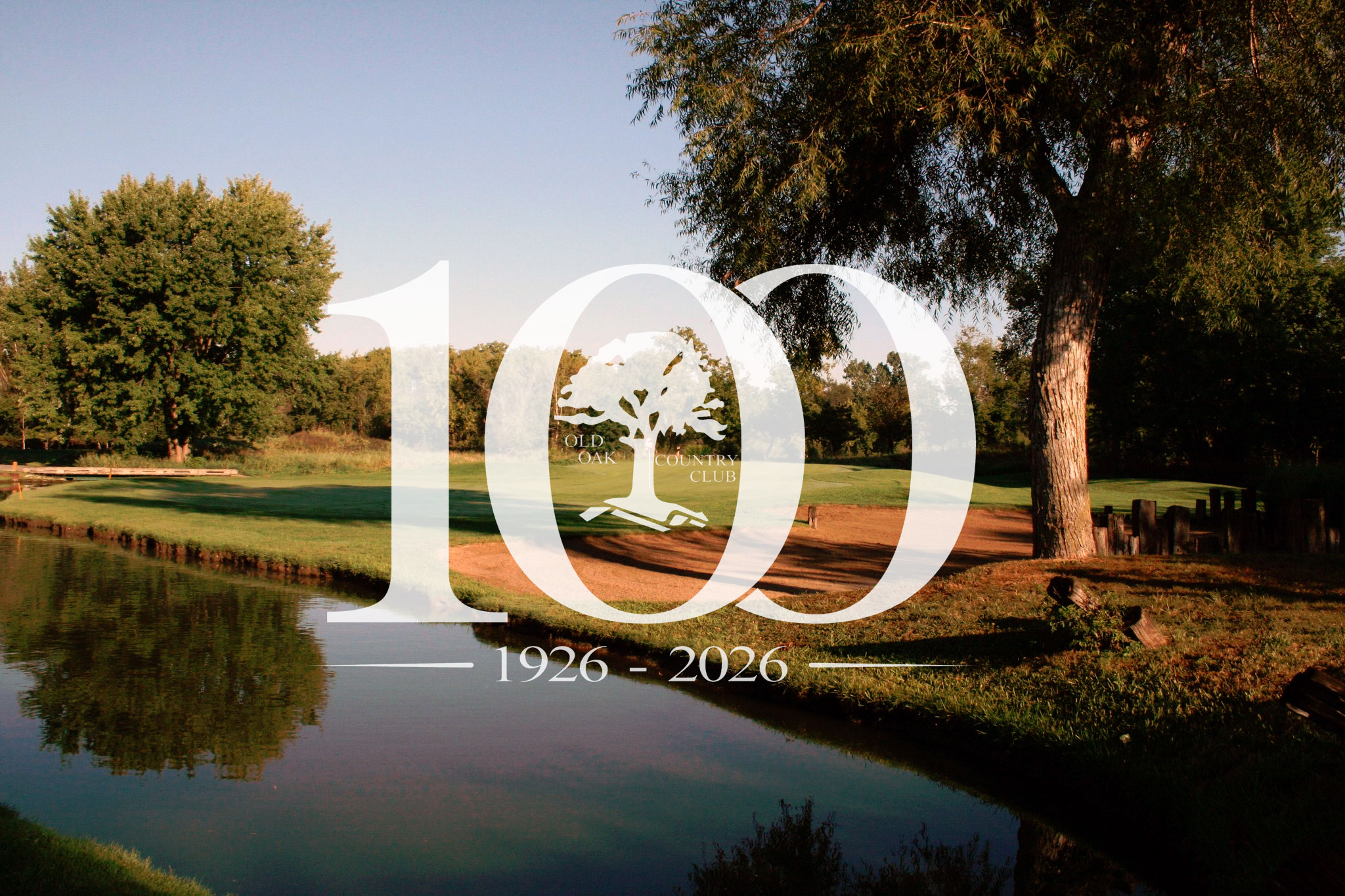
In 2026, Old Oak Country Club in Homer Glen, Illinois reaches a milestone few golf properties achieve—its 100th anniversary. Founded in 1926, Old Oak has endured nearly a century of transformation across the Chicagoland golf landscape, surviving economic downturns, suburban expansion, and dramatic shifts in how golf facilities operate.
What makes Old Oak particularly compelling is not just its longevity, but the layers of history embedded within it: a course rooted in a rural crossroads community, shaped by evolving land use, and defined by a still-unresolved architectural origin story.
As Old Oak enters its second century, it stands as both a golf course and a case study in how recreational land, community identity, and business models evolve over time.
Origins: Golf Comes to Goodings Grove
Old Oak Country Club was established in 1926 on what was then a largely rural tract in Homer Township, an area historically known as Goodings Grove. The land—characterized by mature oak and hickory trees and the winding presence of Long Run Creek—provided an ideal setting for a golf course.
Chicago District Golf Association records confirm the 1926 founding date, while township historical surveys offer deeper context. According to Will County documentation, the “arrival of the Old Oak Golf Club in the 1920s” took place on what had previously been the J. McCord farm and contributed to sustaining local economic activity during a period of rural-to-suburban transition.
This is a critical distinction.
Old Oak wasn’t just another golf course built during the 1920s boom—it became part of the economic and social fabric of a developing community. It functioned as a semi-rural recreational anchor, helping bridge the gap between farmland and the suburban growth that would define the region in the decades ahead.
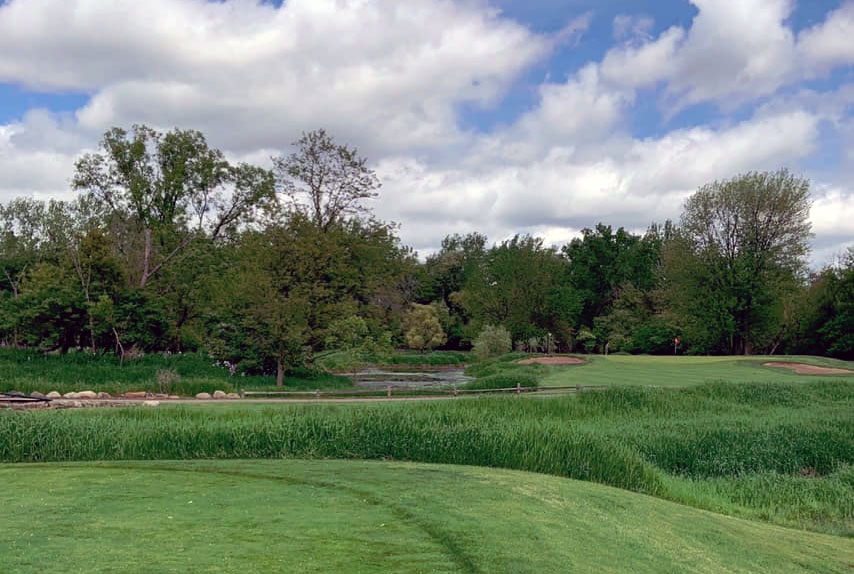
Old Oak Country Club
The Architect Question: Bendelow vs. Kinsman
One of the most intriguing aspects of Old Oak’s history is a longstanding question: who actually designed the course?
The Conflicting Attributions
Some modern golf directories credit Tom Bendelow—one of the most prolific architects of the early 20th century and a key figure in Chicago golf history.
However, the most credible and institutionally grounded record available—the CDGA—lists the architect as “Kinsman” (or “Kingsman”), a name that appears consistently across multiple course directories.
This creates a clear discrepancy:
- CDGA (most authoritative accessible record): Kinsman
- Multiple directories: Kinsman/Kingsman
- Some consumer platforms: Bendelow
- Old Oak’s own materials: Do not name an architect
What We Can Say with Confidence
While Bendelow’s influence across Chicagoland is undeniable—he designed courses at Medinah Country Club and hundreds of others—there is no strong direct evidence tying him definitively to Old Oak.
That said, the style of Old Oak does align with broader Golden Age design principles, including:
- Use of natural terrain
- Tree-lined corridors
- Strategic but playable layouts
These characteristics are consistent with Bendelow’s philosophy—but they were also common among many architects and builders of the era.
The Most Defensible Conclusion
Based on the best available evidence:
- The course was founded in 1926 (well corroborated)
- The architect is most likely Kinsman/Kingsman
- The Bendelow attribution remains unconfirmed and likely misattributed
For true historical certainty, further archival research—such as original scorecards, plat maps, or 1920s newspaper coverage—would be required.
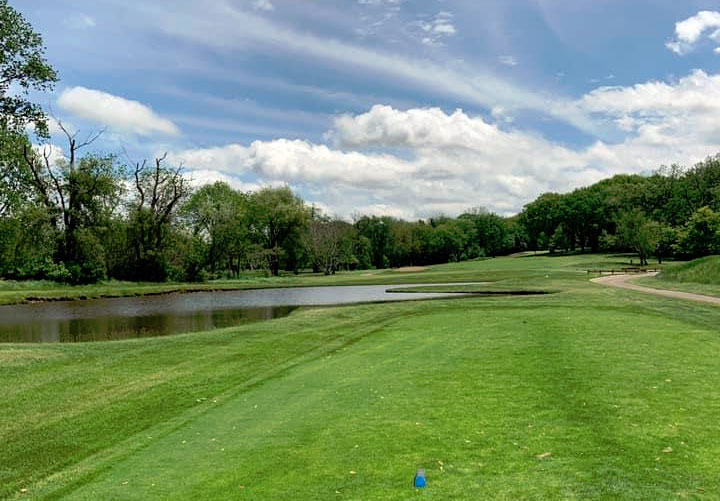
Old Oak Country Club
A Course Defined by Its Land
If there is one constant throughout Old Oak’s 100-year history, it is the land itself.
The course is built around:
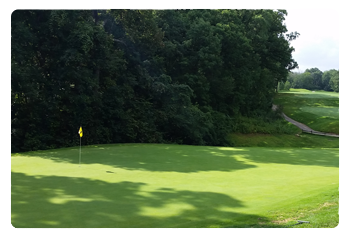
- Long Run Creek, which winds through the property
- Dense stands of mature trees, shaping shot corridors
- Rolling terrain, offering subtle elevation changes
This type of site has important implications.
Unlike open prairie courses, which can be easily reshaped, wooded creek corridors tend to lock in routing decisions. As a result, Old Oak has evolved through selective renovation rather than complete redesign—a pattern consistent with many Golden Age courses built on constrained natural landscapes.
Today, the course is often described as “rustic” and “carved out of nature,” reinforcing the idea that its core identity has remained intact for a century.
Evolution Through the Decades
Old Oak’s history is not a straight line—it is a series of reinventions shaped by broader economic and cultural forces.
1920s–1930s: Early Operations
Evidence suggests the course operated under the name “Kinsman’s Golf and Country Club” in the early 1930s, with advertisements indicating a pay-as-you-play model. This points to early accessibility and a hybrid private/public identity.
1940s–1950s: Decline and Recovery
Like many courses during World War II, Old Oak experienced periods of decline and reduced maintenance. Reports indicate the course reopened in the mid-1950s after a stretch of disrepair.
1960s: Reinvestment and Ownership Clarity
By 1965, trade publications identify Frank Aldridge as owner and note that Old Oak hosted turf industry demonstrations—an indication of operational relevance and investment.
1980s–1990s: Community Role Expands
By the 1980s, Old Oak had clearly evolved beyond golf, serving as a venue for community events and banquets. This diversification would prove critical to its long-term sustainability.
2000s: Major Renovation Era
A documented multi-year renovation completed around 2006 included:
- Course lengthening
- Bunker reconstruction
- Irrigation upgrades
- Installation of three USGA greens
- Rerouting of select holes
This type of investment reflects a broader trend across Chicagoland—modernizing aging 1920s layouts without losing their identity.
2010s–2020s: Multi-Use Facility
Old Oak has continued to evolve as a multi-functional property, hosting:
- Amateur and junior tournaments (including a 2016 Illinois Junior Golf Association sectional)
- Superintendent and association events
- Weddings and social gatherings
- Even temporary recreational uses like disc golf
Additionally, like many Illinois venues, the club has incorporated regulated video gaming, creating an additional revenue stream that helps stabilize operations.
A Business Model That Adapted
One of the most important reasons Old Oak has reached 100 years is its ability to adapt its business model.
Originally tied to the country club model, Old Oak transitioned over time into a public/daily-fee facility with a strong event and banquet component.
Today, it operates as:
- A public golf course
- A wedding and banquet venue (capacity ~200 guests)
- A local restaurant/lounge
- A licensed Illinois video gaming establishment
This diversification is not unique—but it is essential.
Across Chicagoland, many courses that failed to evolve financially have closed or been repurposed. Old Oak’s ability to layer revenue streams has helped it remain viable while preserving its core identity.
Cultural and Community Impact
Old Oak’s legacy extends beyond golf.
It has functioned as:
- A community gathering place
- A recreational anchor in Homer Glen
- A piece of preserved open space amid suburban growth
Local planning documents even identify Old Oak as one of the area’s key recreational assets, reinforcing its importance at the municipal level.
There are also intriguing—but not fully verified—historical claims suggesting the course may have once served as a country club for Black Chicagoans during the Jim Crow era, potentially associated with figures like Theodore K. Lawless and even Joe Louis. While these accounts require further archival confirmation, they point to the possibility of a deeper and more complex social history.
Old Oak Among Its Peers
Old Oak’s 1926 founding places it alongside some of Chicagoland’s most notable courses, including:
- Medinah Country Club (1920s Golden Age powerhouse)
- Cog Hill Golf & Country Club (public golf success story)
What distinguishes Old Oak is its path.
Unlike Medinah, it did not become a championship venue.
Unlike Cog Hill, it did not scale into a national destination.
Instead, Old Oak became something else entirely:
A durable, community-rooted golf property that adapted just enough to survive.
Environmental and Land Use Significance
From a land-use perspective, Old Oak represents something increasingly rare:
A large, continuous green space within a suburbanizing region.
The presence of Long Run Creek positions the property within a broader watershed system, making it part of ongoing environmental considerations around water management, runoff, and habitat preservation.
Golf courses like Old Oak often serve dual roles:
- Recreational space
- Environmental buffer
How they are managed can significantly impact local ecosystems.
Looking Ahead to the Next 100 Years
Reaching 100 years is not just a milestone—it’s a statement.
Old Oak Country Club has demonstrated resilience across:
- Economic cycles
- Industry shifts
- Community transformation
Its future will likely depend on the same factors that sustained it:
- Smart reinvestment
- Revenue diversification
- Respect for its natural setting
- Continued community relevance
As Chicagoland golf continues to evolve, Old Oak offers a powerful reminder:
Not every course needs to be famous to matter.
Some endure because they are woven into the land—and into the lives of the people around them.








 Find a Golf Course
 Find a Driving Range
 Find a Topgolf
 Find a Golf Instructor