
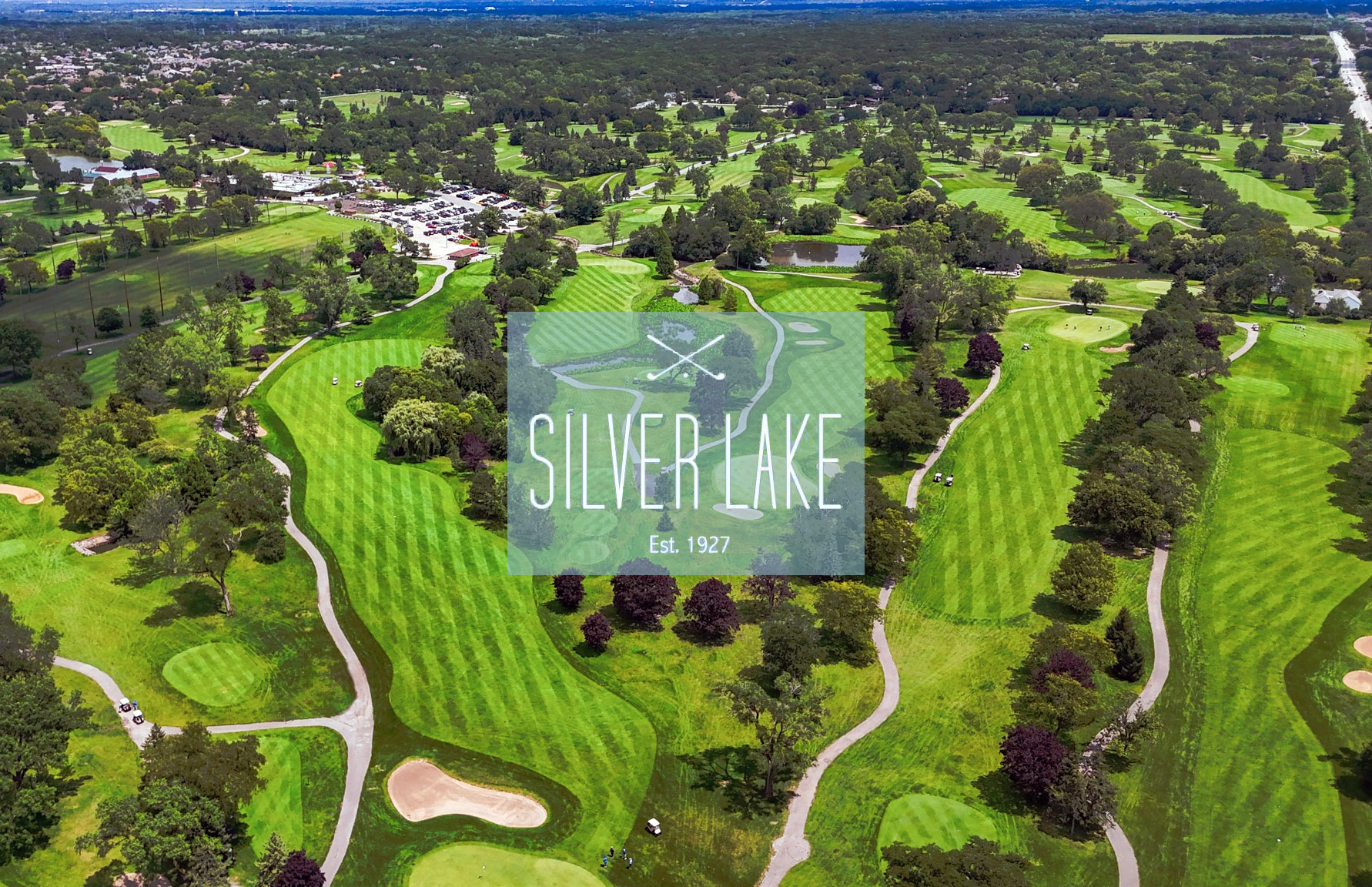
For nearly a century, Silver Lake Country Club in Orland Park has stood as one of the cornerstones of public golf in the southwest suburbs of Chicago. Long before Orland Park became one of the fastest-growing communities in Illinois, Silver Lake was already carving fairways through farmland, welcoming golfers, hosting championships, and helping shape the golf culture of Chicagoland.
Today, the 45-hole facility remains one of the largest and most recognizable public golf destinations in the region, balancing championship golf, junior programs, weddings, outings, and community events across nearly 300 acres of rolling terrain. While many historic golf properties have disappeared beneath residential development or commercial expansion, Silver Lake has endured through generations of family ownership, adaptation, and reinvention.
The story of Silver Lake Country Club is not simply the story of one golf course. It is the story of how multiple properties, visions, and eras merged together to create one of the Midwest’s most enduring public golf institutions.
Origins: Two Courses Become One
The roots of Silver Lake stretch back to the late 1920s, during a period when golf was exploding in popularity across America.
The earliest piece of today’s property was Euclid Hills Country Club, founded in 1927. The course was reportedly designed by Leonard Macomber and originally served as a private club associated with the Masonic and Shriner communities.
Just two years later, another neighboring course emerged on the former Johnson Farm property. That course eventually became the foundation for what is now Silver Lake’s South Course. Multiple golf architecture sources attribute portions of that layout to Charles Maddox and Frank P. MacDonald.
By the late 1930s, the Coghill family entered the picture.
John Coghill Sr. and his father Bert began acquiring the neighboring golf properties, first purchasing Silver Lake Golf Club in 1937 before later acquiring Euclid Hills. The two facilities were eventually merged into one large public golf operation that became known as Silver Lake Country Club.
That merger proved critical to the club’s long-term identity.
Unlike many purpose-built 36-hole golf facilities, Silver Lake evolved organically from two distinct golf properties. Even today, longtime golfers often note the differences in personality between the North and South Courses. The North Course generally offers wider landing areas and a more classic parkland feel, while the South Course features more demanding bunkering and water hazards.
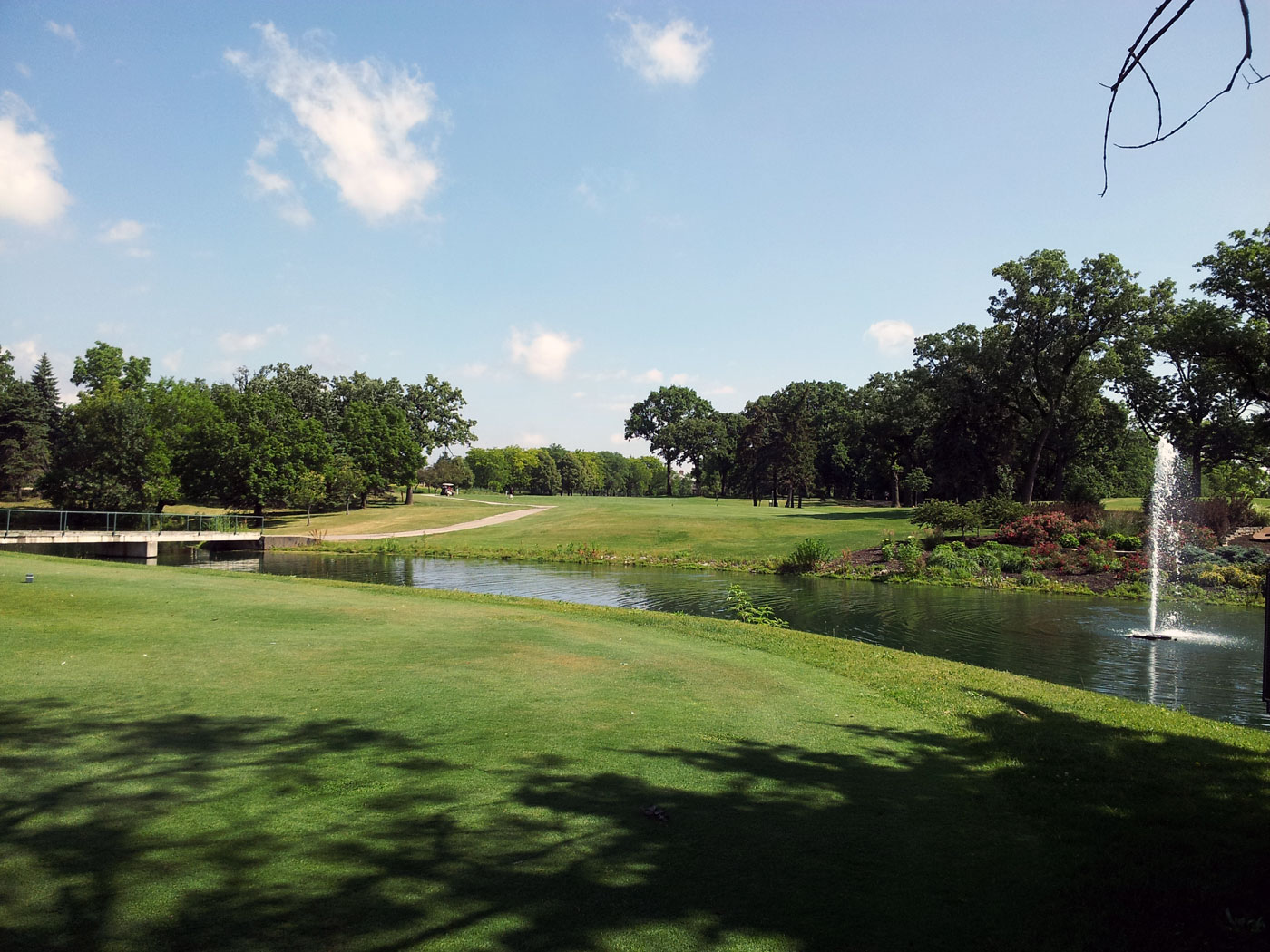
Silver Lake Country Club
Building a Public Golf Powerhouse
Silver Lake’s rise coincided with the broader expansion of public golf in post-war America.
While many elite private clubs dominated golf headlines during the 1940s and 1950s, Silver Lake became part of a growing movement that made quality golf accessible to everyday players. The Coghill family helped position the facility as a destination where serious golfers, league players, families, juniors, and outing groups could all coexist.
That public-golf philosophy became nationally validated in 1958 when the North Course hosted the prestigious U.S. Amateur Public Links Championship.
At the time, hosting a USGA championship represented a major achievement for any golf facility — especially a public course operation in the Chicago suburbs. The event helped elevate Silver Lake’s reputation far beyond Orland Park and confirmed that the facility could stand alongside some of the finest public golf venues in the country.
Over the years, Silver Lake continued to host significant competitive events, including the National Lefthanders Championship, U.S. Open qualifying, junior events, CDGA qualifiers, and Illinois State Senior Amateur qualifying rounds.
The Creation of Rolling Hills
Perhaps the most transformative period in Silver Lake’s physical history arrived in the early 1960s.
In 1962, construction began on a new executive-style nine-hole course known as Rolling Hills. The project was directed by Ray Didier under the guidance of John Coghill and opened in 1963.
The addition expanded Silver Lake from 36 holes to a massive 45-hole golf complex.
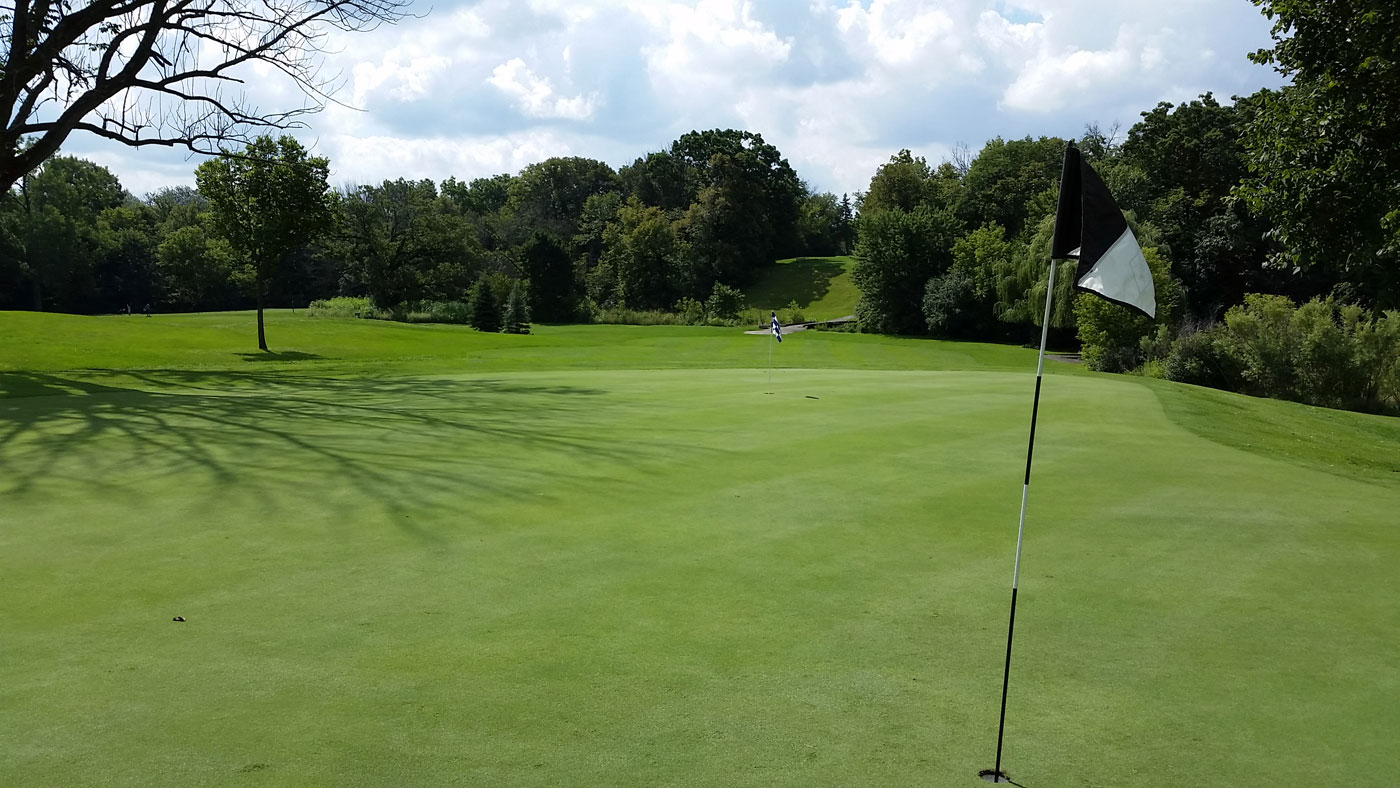
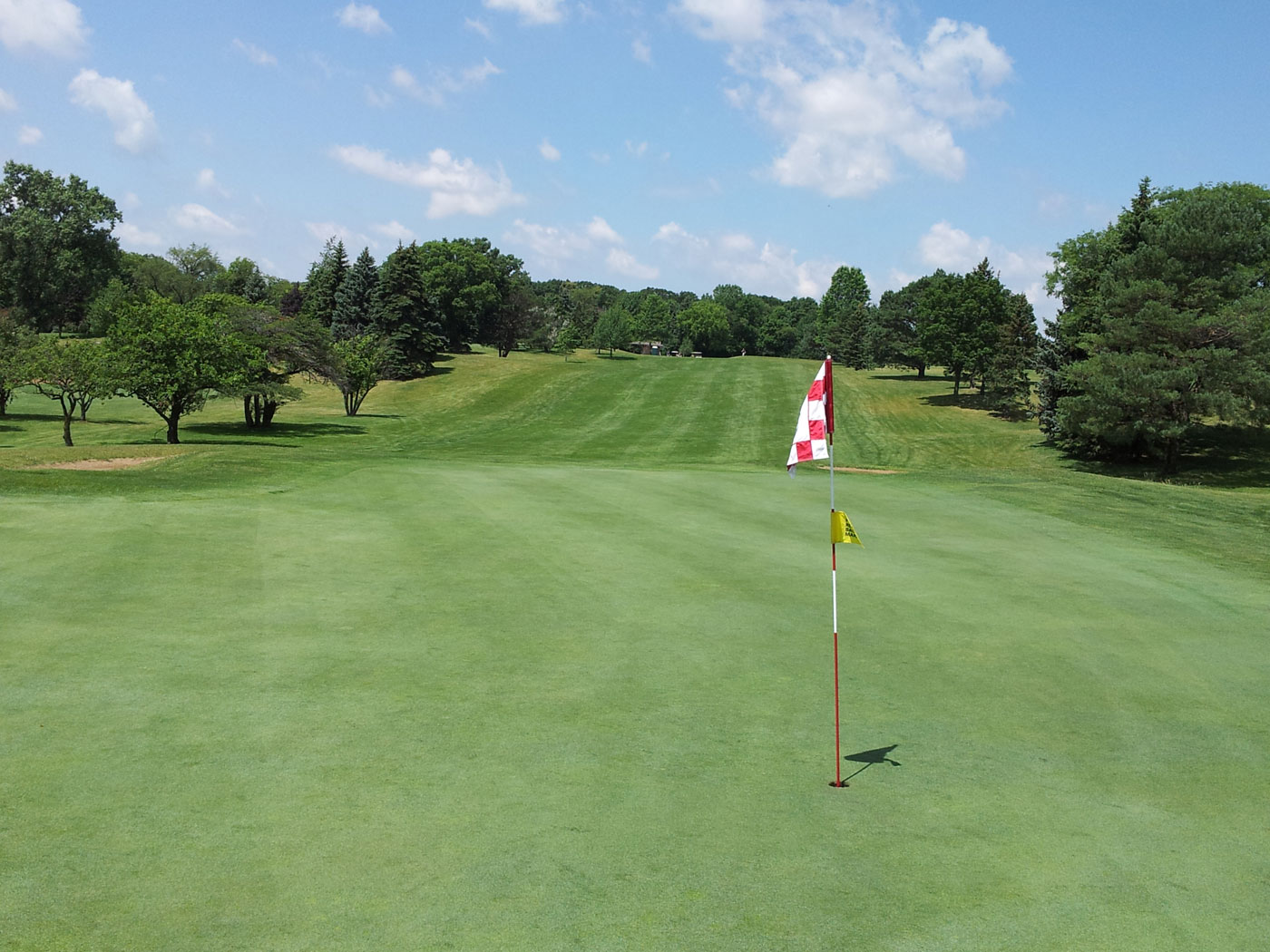
Silver Lake Country Club – Rolling Hills
Rolling Hills was not intended to be a simple beginner course. Instead, it was designed with heavily contoured greens, rolling terrain, and strategic shotmaking challenges. Turf-industry publications at the time highlighted the course’s innovative use of Penncross bentgrass greens, which were considered highly advanced for the era.
The executive course also reflected a larger vision that Silver Lake embraced long before many facilities recognized the importance of shorter formats and player development. Decades before the modern popularity of par-3 courses, family golf, and beginner-friendly experiences, Silver Lake already understood the value of making golf approachable.
That philosophy continues today through the club’s junior leagues, instruction programs, and family-oriented initiatives.
Silver Lake and the Growth of Orland Park
As Orland Park expanded dramatically during the second half of the 20th century, Silver Lake remained one of the community’s defining landmarks.
The golf course became deeply woven into the identity of the village itself.
For generations of southwest suburban golfers, Silver Lake served as a first introduction to the game. Junior golfers learned the fundamentals there. High school teams practiced and competed there. Families attended weddings, banquets, fundraisers, and outings there.
The facility evolved into far more than a golf course.
By the late 1970s, Silver Lake had expanded its banquet operations and added racquetball courts as part of a strategy to become a year-round hospitality business rather than simply a seasonal golf operation.
That diversification helped the club survive industry downturns that impacted many public facilities throughout the Midwest.
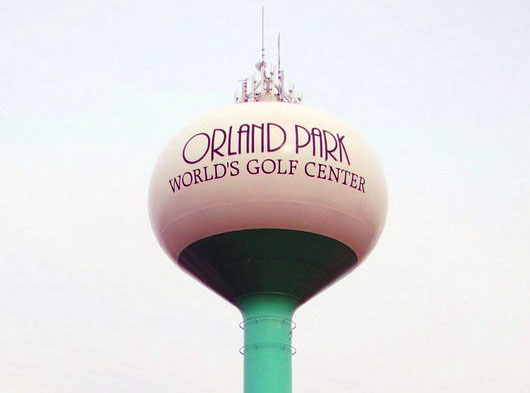
The property also played an important role in establishing Orland Park as a major golf destination. Turf-industry publications once referred to Orland Park as the “World’s Golf Center,” and Silver Lake was frequently highlighted as one of the anchors of that golf ecosystem.
Continuous Evolution and Renovation
Unlike some historic clubs that pursue architectural restoration projects aimed at recreating a specific golden-era appearance, Silver Lake’s renovations have largely focused on functionality, playability, conditioning, and operational improvements.
During the 1980s, the club underwent one of its most significant turf upgrades when aging Toronto Bentgrass greens were replaced with Penncross bentgrass surfaces.
Silver Lake Country Club
In the early 2000s, Silver Lake continued modernizing its agronomic operations with bentgrass conversions, fairway improvements, and the construction of a new maintenance facility.
One of the most visible modern golf renovations came around 2010 and 2011 when the South Course bunkers were rebuilt to improve drainage and playability. According to former owner Bert Coghill, older bunker faces had become overly steep and vulnerable to flooding during heavy rains. The redesigned bunkers became flatter, more maintainable, and far more resilient.
Another major milestone arrived in 2012 when Silver Lake finally opened its first full-length driving range. The project required modifications to portions of the golf property, including changes to the North Course routing.
The addition of a modern practice facility reflected the changing expectations of golfers and reinforced Silver Lake’s commitment to remaining competitive in the Chicagoland golf market.
A Conversation with Bert Coghill
Chicago golfers familiar with the club’s history may remember our Chicago Golf Report podcast interview with former Silver Lake owner Bert Coghill. During the interview, Coghill discussed the challenges of operating a large public golf facility, adapting to changing golf trends, and preserving the club’s reputation through multiple generations.
The Coghill family’s connection to Chicagoland golf extends well beyond Silver Lake. The family was also historically connected to Cog Hill Golf & Country Club in Lemont before that facility eventually became associated with the Jemsek family.
Under Coghill leadership, Silver Lake maintained a strong reputation for accessibility, volume, and consistency — three traits that helped distinguish it within the crowded Chicago public golf landscape.
Facing Modern Challenges
Like many golf facilities with large land footprints, Silver Lake faced uncertainty in recent years.
In 2021, news surfaced that the nearly 300-acre property had been listed for sale, sparking speculation about potential redevelopment.
Given the rapid residential growth throughout the southwest suburbs, many feared the property could eventually disappear beneath housing developments.
Instead, the opposite occurred.
Following the pandemic-era golf boom and renewed appreciation for open space, the Coghill family decided to retain ownership of the property.
The decision preserved one of the largest remaining golf campuses in the region and reinforced Silver Lake’s importance to the local community.
Silver Lake Today
Today, Silver Lake Country Club continues operating as one of the most versatile golf and event properties in Chicagoland.
The facility hosts leagues, outings, weddings, junior programs, charity events, and competitive tournaments while still serving thousands of everyday public golfers each season.
Its longevity is remarkable.
Many golf facilities built during the 1920s no longer exist. Others survive only as private clubs disconnected from the communities around them. Silver Lake remains something increasingly rare in American golf: a historic, family-rooted, large-scale public golf destination that continues evolving while remaining deeply connected to its local community.
In 2025, the Village of Orland Park officially recognized Silver Lake as Business of the Month and declared “Silver Lake Country Club Day,” honoring the club’s long-standing contribution to the village.
That recognition reflects what many golfers throughout Chicagoland already understand.
Silver Lake Country Club is not merely a golf course.
It is part of the history of golf in Chicago itself.







 Find a Golf Course
 Find a Driving Range
 Find a Topgolf
 Find a Golf Instructor