

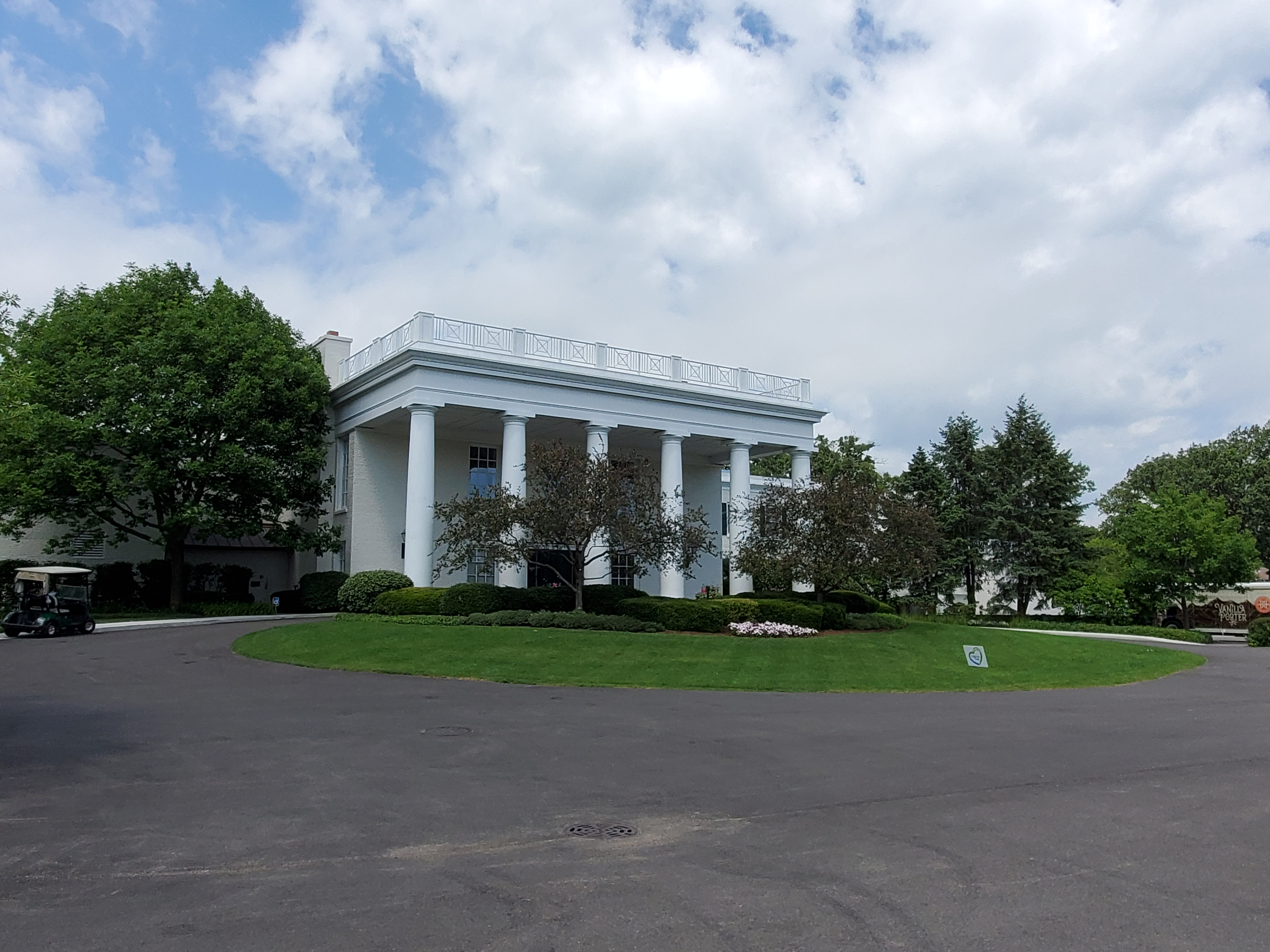
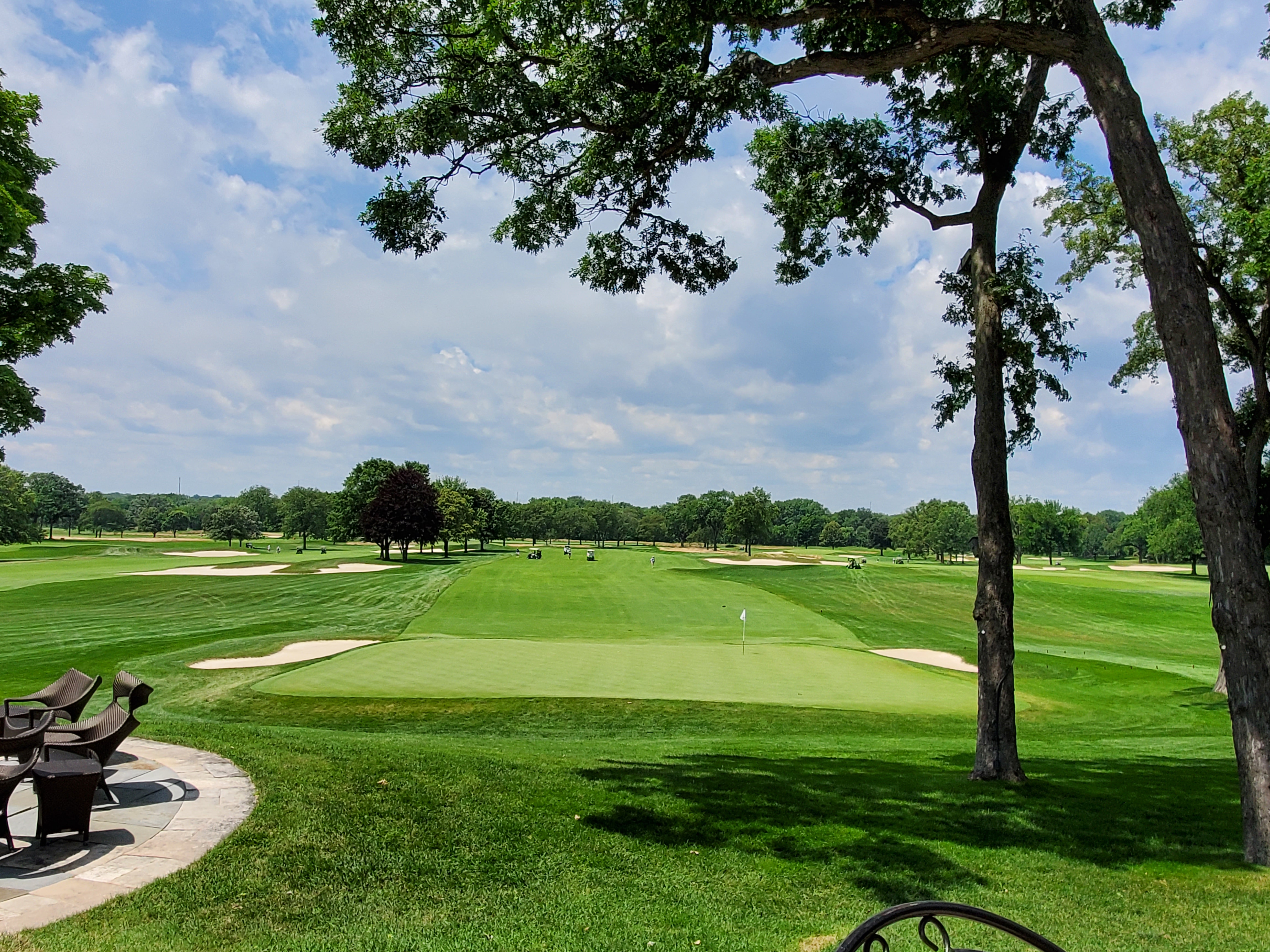
Nestled among the rolling terrain of Highland Park Exmoor Country Club stands as one of the most historically significant golf clubs in the Midwest. While Chicago’s golf landscape is rich with iconic venues, Exmoor occupies a unique place in the game’s history. It is a club that has witnessed the evolution of golf from its earliest American roots, hosted generations of championship players, and preserved the architectural brilliance of one of the game’s greatest designers.
Today, Exmoor remains a private golf sanctuary, but its story stretches back nearly 130 years and reflects the growth of golf itself in America.
The Founding of Exmoor
Exmoor Country Club was incorporated on October 14, 1896, during a period when golf was rapidly gaining popularity across the United States. Seeking a location north of Chicago, the club’s founders purchased the 93-acre Francis Stupey farm in Highland Park and quickly transformed the property into a golf destination.
The club officially opened on June 26, 1897, with a newly constructed clubhouse and a nine-hole golf course. According to club history, workers cleared more than 2,000 tree stumps in order to prepare the site for play, a remarkable undertaking considering the short timeframe involved.
The original course is widely credited to pioneering golf architect and golf visionary Charles Blair Macdonald, often referred to as the “Father of American Golf.” Macdonald’s influence on golf architecture in the United States is difficult to overstate, and Exmoor became one of the earliest clubs to benefit from his design philosophy.
Alongside Macdonald, influential figures including H.J. Whigham and professional golfer James Tweedie contributed to the early development of the course and golf program.
From Nine Holes to a Championship Venue
The popularity of golf at Exmoor quickly outgrew the original layout. By 1901, the club expanded to a full 18-hole course, and by 1902 official golf records documented a layout measuring approximately 5,880 yards.
While modest by today’s standards, this was a substantial championship test at the turn of the twentieth century. Several of the original holes remained part of the expanded course, while additional land and design refinements helped establish Exmoor as one of the premier golf clubs in the Midwest.
The course continued to evolve throughout the early 1900s. In 1906, the layout was lengthened in response to advancements in golf equipment, particularly the introduction of the Haskell golf ball, which allowed players to hit the ball significantly farther than previous generations.
Even in its earliest years, Exmoor demonstrated a willingness to adapt while maintaining its strategic integrity—an approach that continues to define the club today.
The Donald Ross Transformation
Although the early course was highly regarded, Exmoor’s most important architectural milestone arrived with the involvement of legendary golf architect Donald Ross.
Ross began planning work at Exmoor around 1914, with construction commencing in late 1915. Over the next four years, Ross systematically rebuilt and redesigned the golf course, creating the strategic masterpiece that still forms the foundation of Exmoor’s identity.
Working alongside greens chairman Tom Wyles and club professional Jack Croke, Ross introduced many of the design characteristics that have made his courses revered worldwide.
Among the defining features of the Ross redesign were:
- Elevated greens with subtle contours
- Open-front approaches that encourage running shots
- False fronts that reject poorly executed approaches
- Strategic bunkering that rewards proper angles of play
- Hole routings that take advantage of natural terrain and wind conditions
Unlike modern championship courses that often rely on sheer length, Ross designed Exmoor to challenge a golfer’s decision-making and shot execution. Positioning from the tee remains critical, and players who approach greens from the correct angle enjoy a significant advantage.
More than a century later, many golf historians consider Exmoor one of the finest Donald Ross courses in the Chicago area.
A Leader in Women’s Golf
Exmoor’s influence extends far beyond architecture.
The club played a pivotal role in the growth of women’s competitive golf during the early twentieth century. In fact, Exmoor member W.A. Alexander helped advocate for the creation of the Women’s Western Amateur Championship during a 1901 meeting of the Western Golf Association.
That initiative would help launch one of the most important women’s amateur championships in the country.
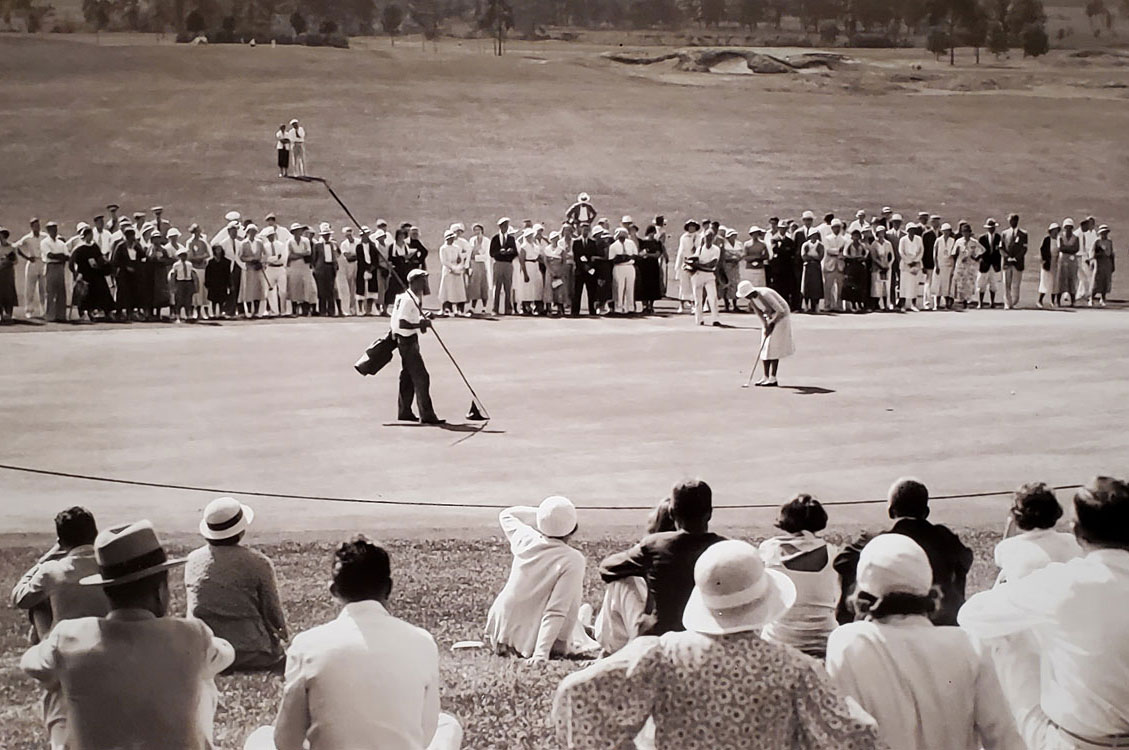
1933 U.S. Women’s Amateur at Exmoor Country Club
Over the decades, Exmoor became one of the preferred venues for major women’s championships, hosting numerous editions of the Women’s Western Amateur and Women’s Western Junior Championships.
The club welcomed some of the most accomplished female golfers of their eras, helping establish the Midwest as a center for women’s amateur golf long before the professional game gained widespread visibility.
This commitment to championship golf for women remains one of Exmoor’s most significant contributions to the sport.
A Championship Tradition
Few clubs in the Midwest can match Exmoor’s championship resume.
The club has hosted at least 19 major amateur and national championships throughout its history, including:
- U.S. Women’s Amateur — 1933
- U.S. Senior Women’s Amateur — 1965
- Four Western Amateur Championships
- Multiple Women’s Western Amateur Championships
- Multiple Western Junior Championships
- Multiple Women’s Western Junior Championships
- Constellation Senior Players Championship — 2018
Among the many notable moments was the 1904 Western Amateur, won by Exmoor member H. Chandler Egan. Remarkably, the championship was completed despite a clubhouse fire during tournament week.
The 1933 U.S. Women’s Amateur brought national attention to Highland Park when Virginia Van Wie captured the second of her three consecutive U.S. Women’s Amateur titles.
The 1952 Western Amateur featured amateur legends Frank Stranahan and Harvie Ward in one of the strongest championship fields of the post-war era.
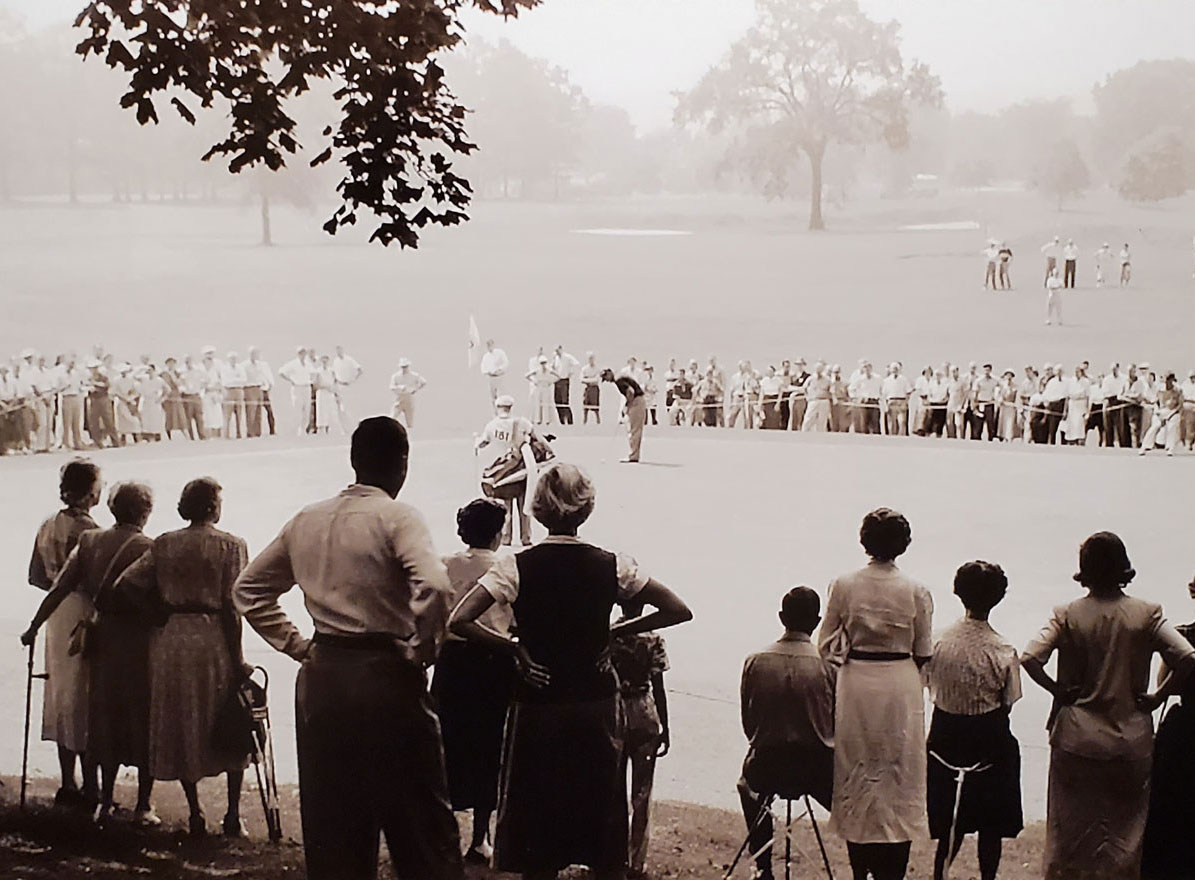
1952 Western Amateur at Exmoor Country Club
More recently, Exmoor hosted the 2012 and 2022 Western Amateur Championships, showcasing future PGA Tour stars including Justin Thomas, Max Homa, Cameron Smith, Abraham Ancer, and many others.
The club’s ability to remain relevant as a championship venue across more than a century speaks volumes about the enduring quality of the course.
Restoring Ross’s Vision
Like many classic golf courses, Exmoor experienced changes over the decades that gradually altered some of its original design characteristics.
Recognizing the need to preserve Ross’s architectural intent, the club embarked on an ambitious restoration project in 2003 under renowned architect Ron Prichard.
The project focused on restoring strategic features that had been lost through years of maintenance practices and course modifications.
Key elements of the restoration included:
- Rebuilding long-lost bunkers using historic aerial photography
- Restoring original green and tee boundaries
- Re-styling every bunker on the course
- Installing a modern irrigation system
- Reintroducing native fescue grasses
- Selective tree removal to restore strategic playing corridors
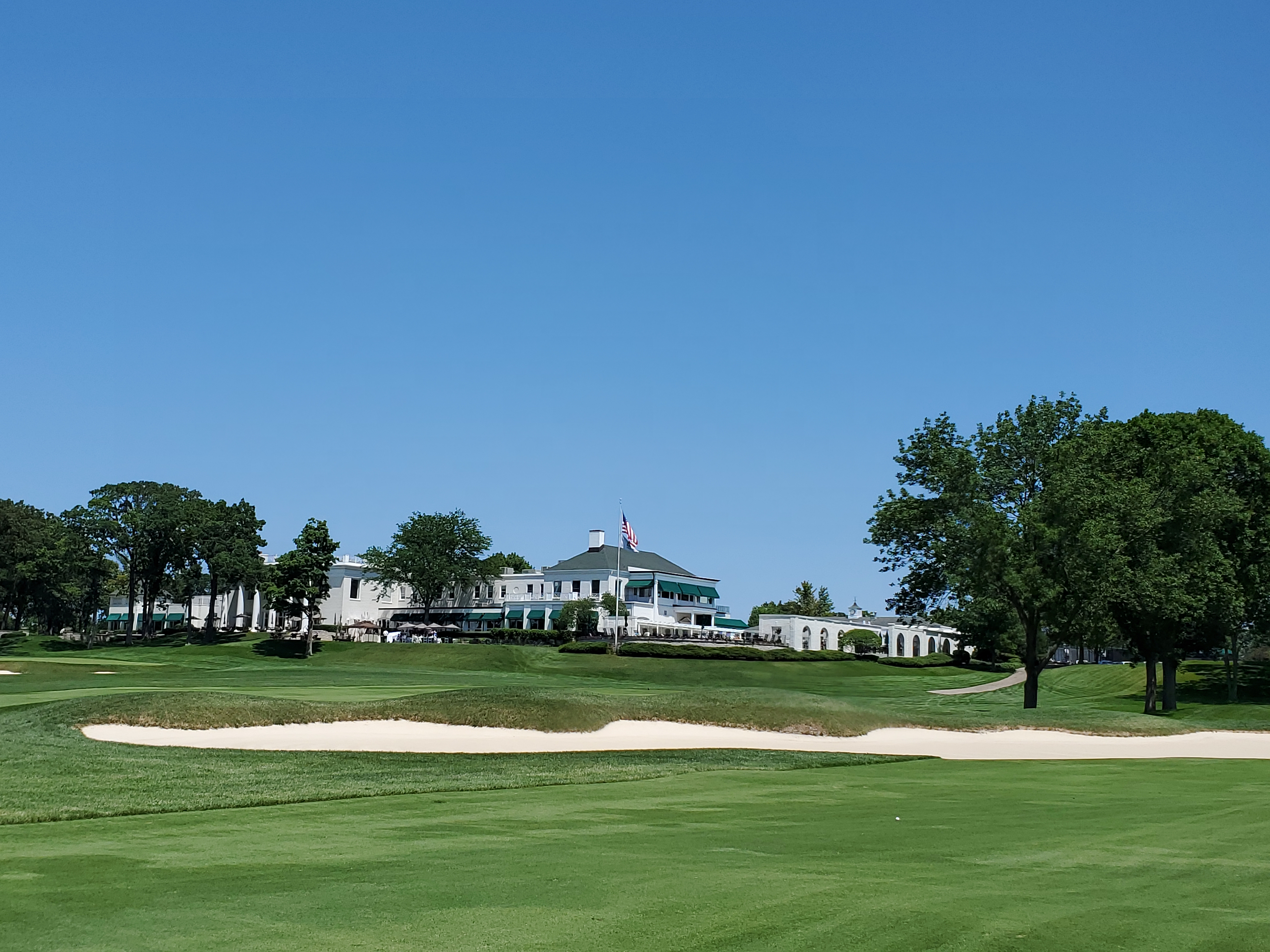
The restoration was widely praised for returning Exmoor to its classic Donald Ross appearance while maintaining modern conditioning standards.

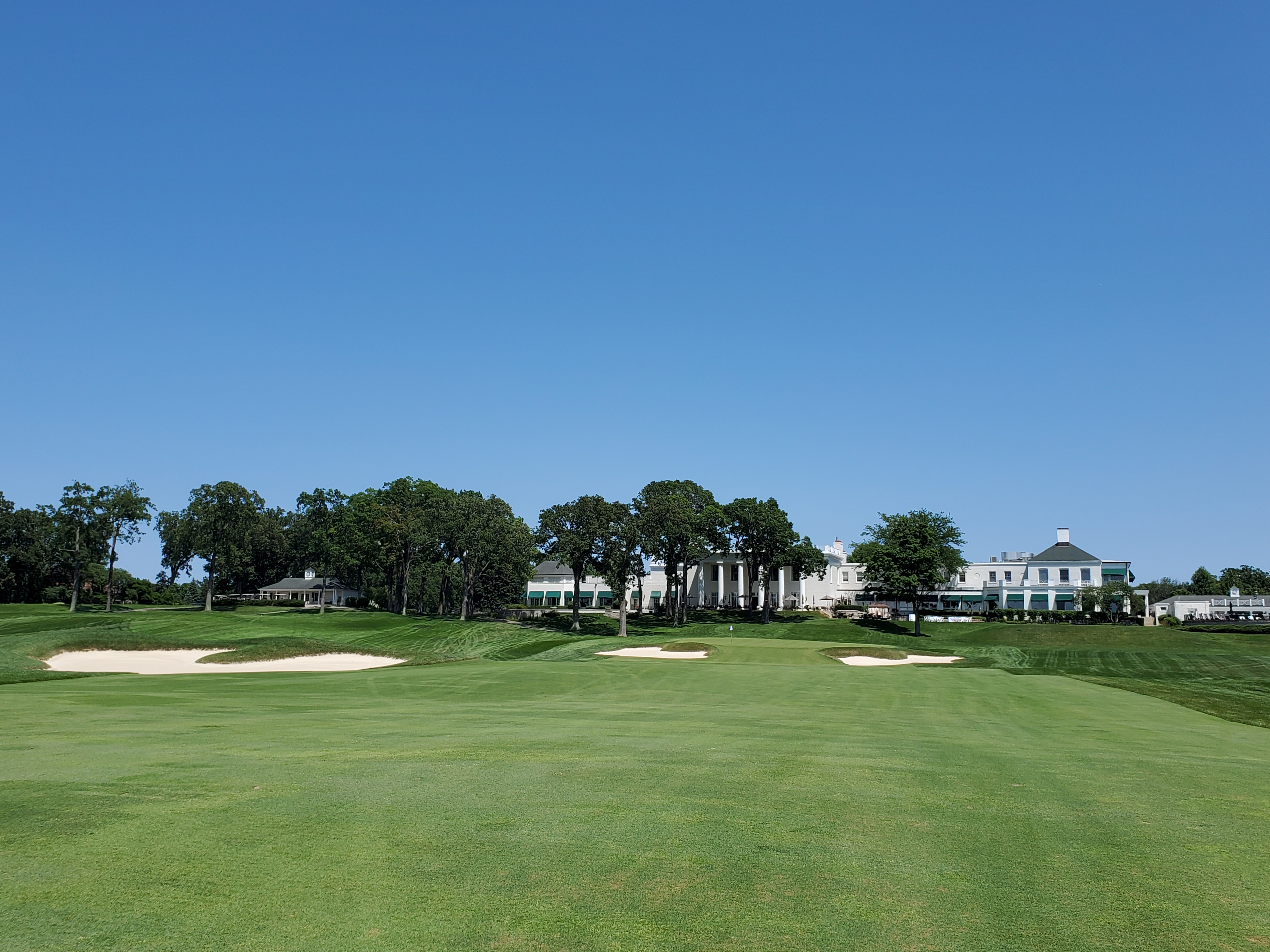
Exmoor Country Club
Additional refinement work continued through 2018, including green resurfacing and the expansion of short-grass approach areas that enhance the strategic options available to players.
Most recently, architect Andrew Green assisted with subtle improvements ahead of the 2022 Western Amateur, ensuring that Exmoor continues to balance championship-caliber golf with an exceptional member experience.
Exmoor Today
While Exmoor Country Club proudly honors its past, it remains very much a modern golf club.
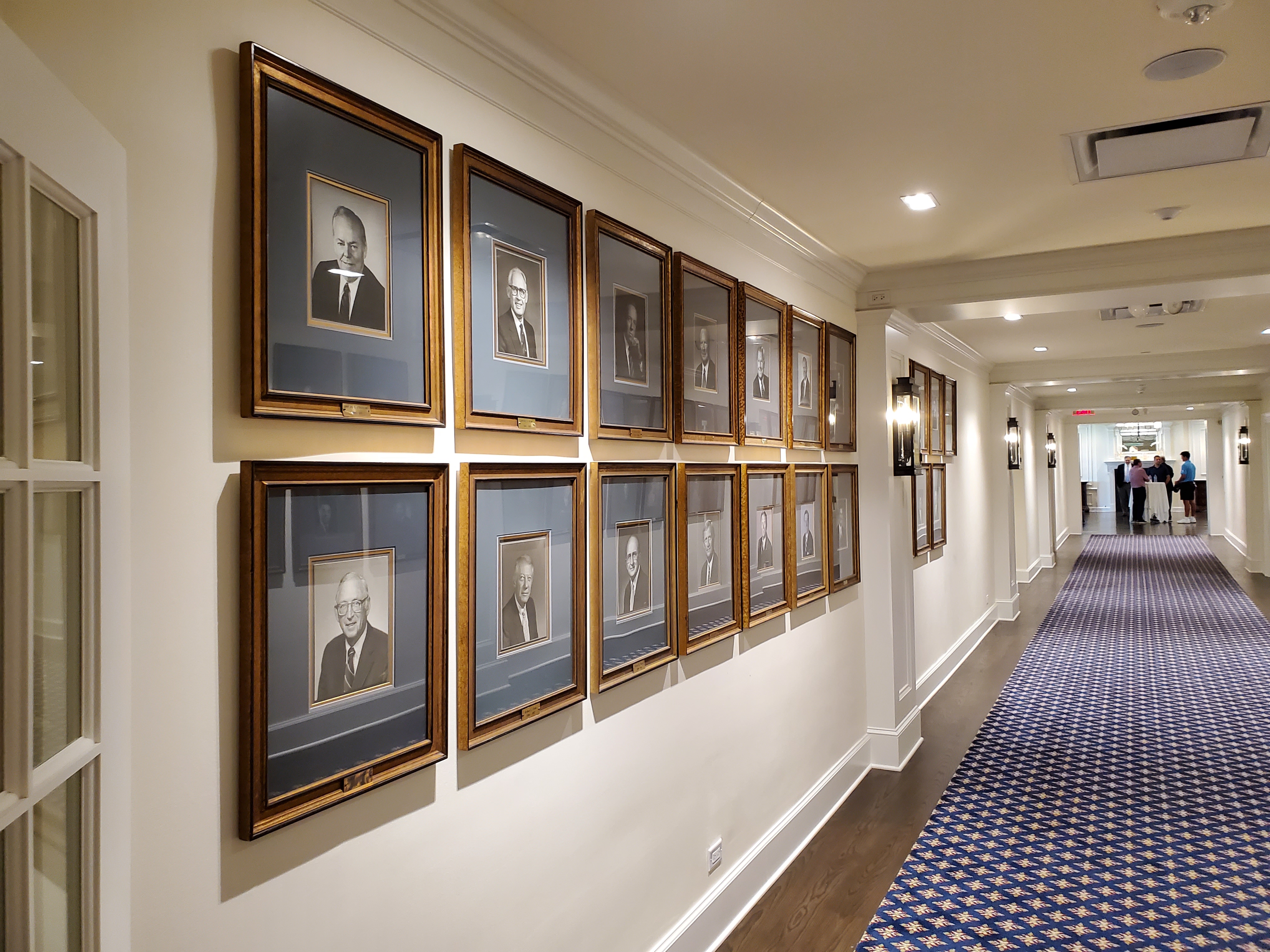
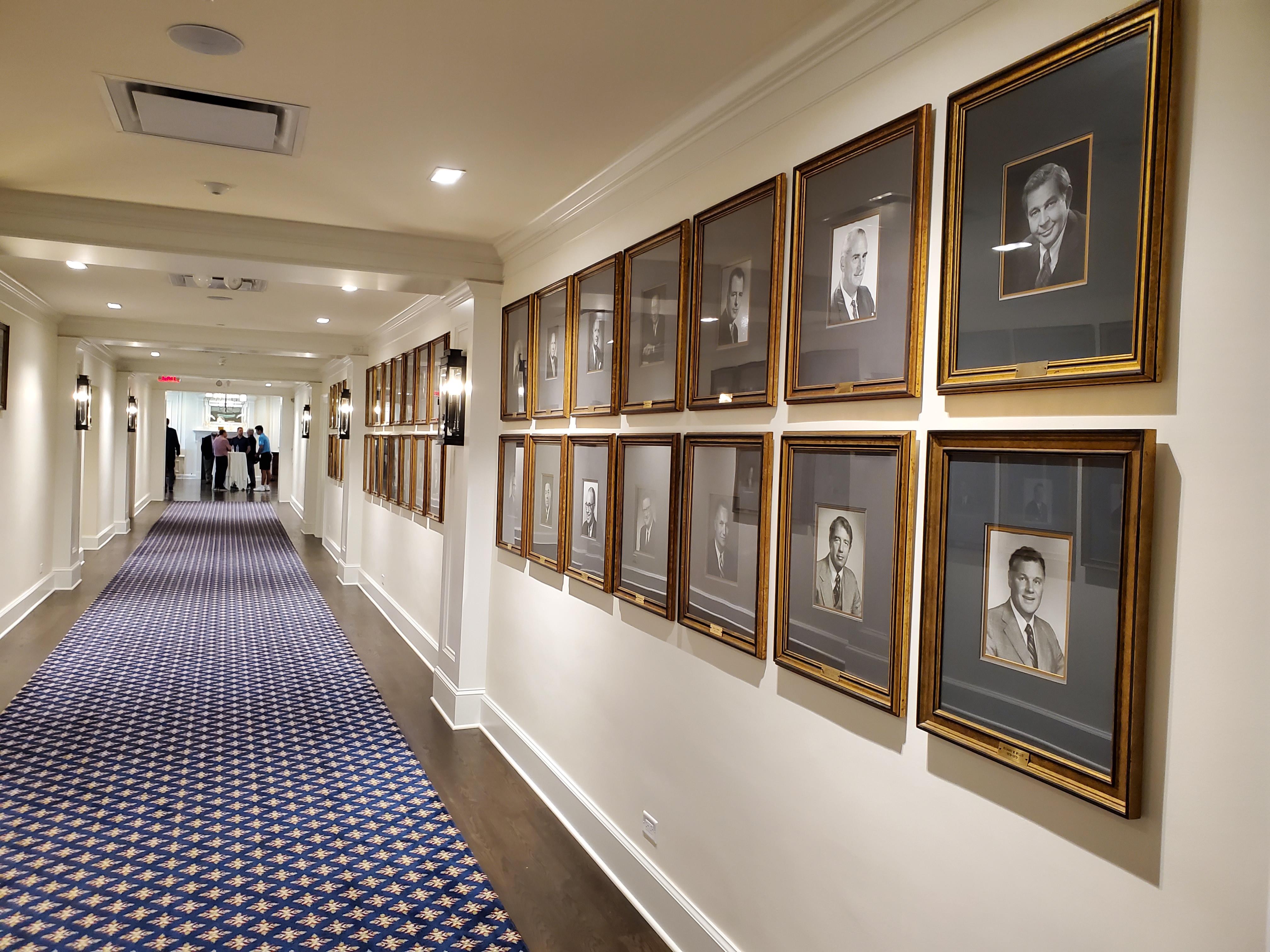
Members enjoy a championship-caliber golf course, extensive practice facilities, racquet sports, swimming, dining, and a vibrant social atmosphere. Yet throughout the property, reminders of the club’s rich history remain visible.
The same rolling terrain that challenged golfers more than a century ago continues to test today’s players. Ross’s elevated greens still demand precision. Strategic bunkers still reward thoughtful course management.
Perhaps most importantly, Exmoor continues to embody the values that have defined great golf clubs for generations: respect for tradition, commitment to excellence, and stewardship of the game.
As Chicago golf continues to evolve, Exmoor Country Club remains one of its crown jewels—a club where history is not merely preserved but experienced every time a golfer steps onto the first tee.
For nearly 130 years, Exmoor has served as a proving ground for champions, a showcase for architectural excellence, and a lasting symbol of golf’s rich heritage in the Chicago area. Its story is not simply part of Chicago golf history—it is one of the chapters that helped write it.




















 Find a Golf Course
 Find a Driving Range
 Find a Topgolf
 Find a Golf Instructor