

For more than a century, Idlewild Country Club has occupied a special place in the golf-rich landscape of Chicago’s south suburbs. The private club in Flossmoor has hosted an important early professional tournament, preserved the work of a notable Golden Age architect and built a close-knit membership across multiple generations.
Now, Idlewild is facing another defining moment.
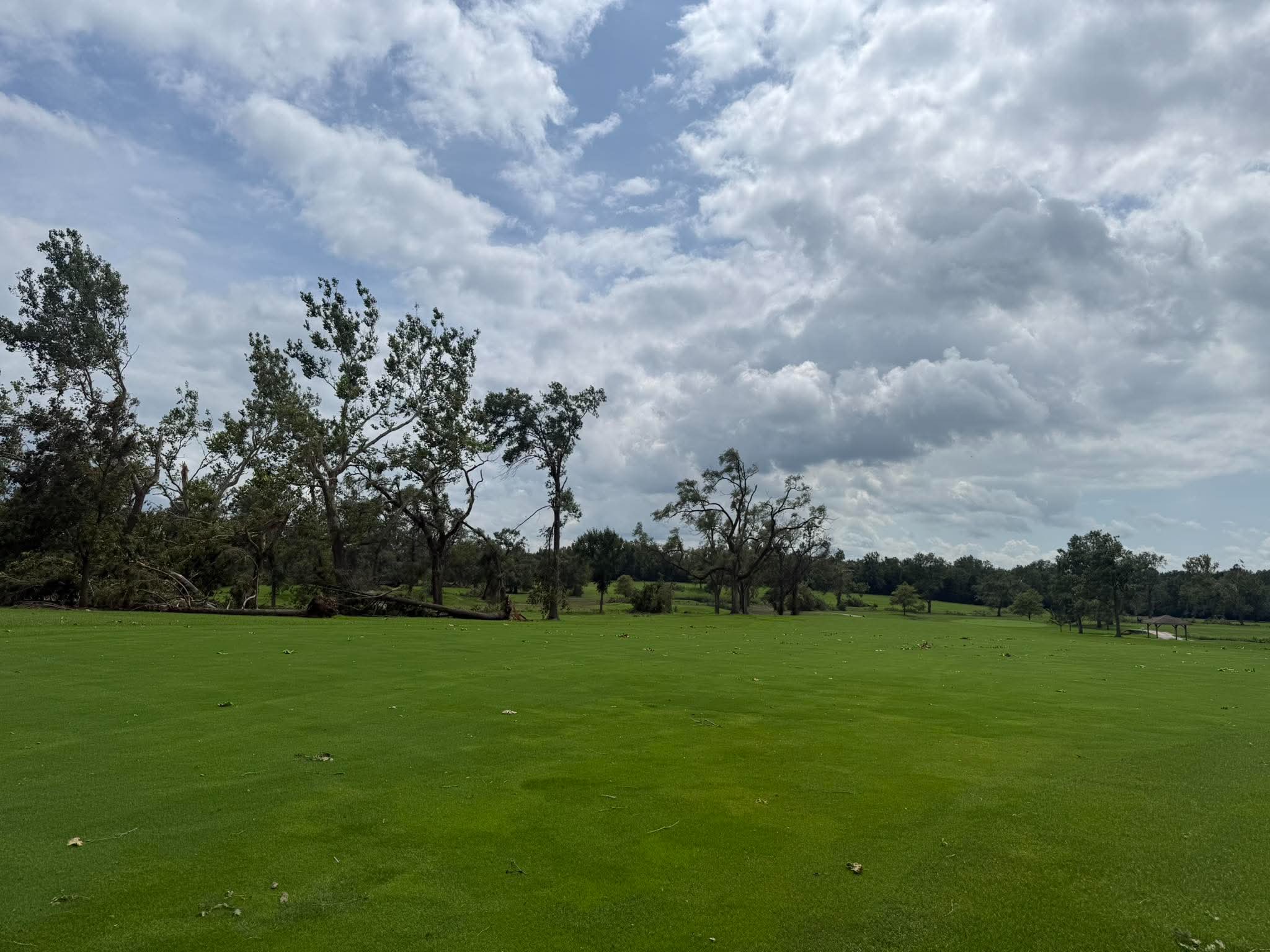
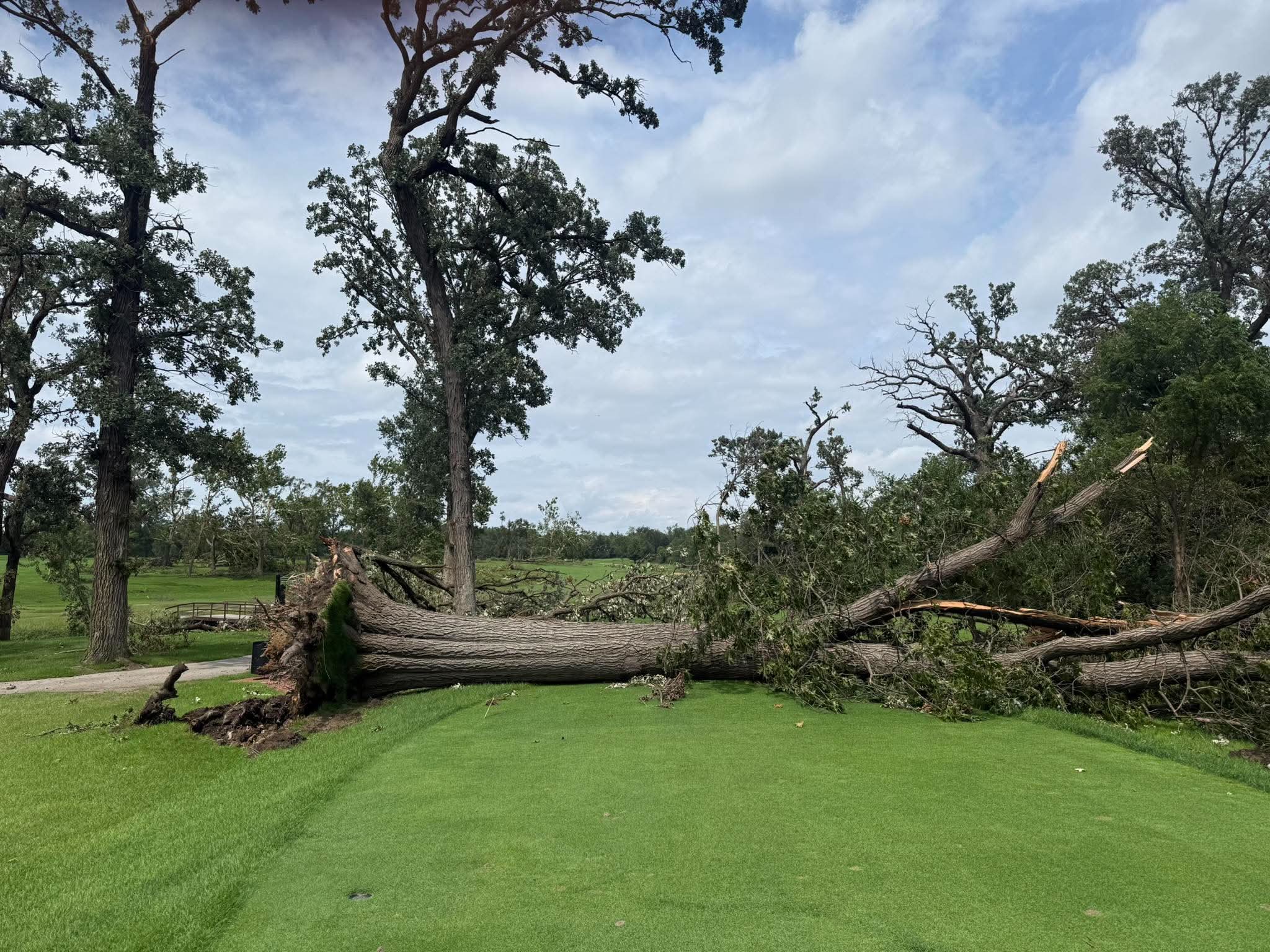
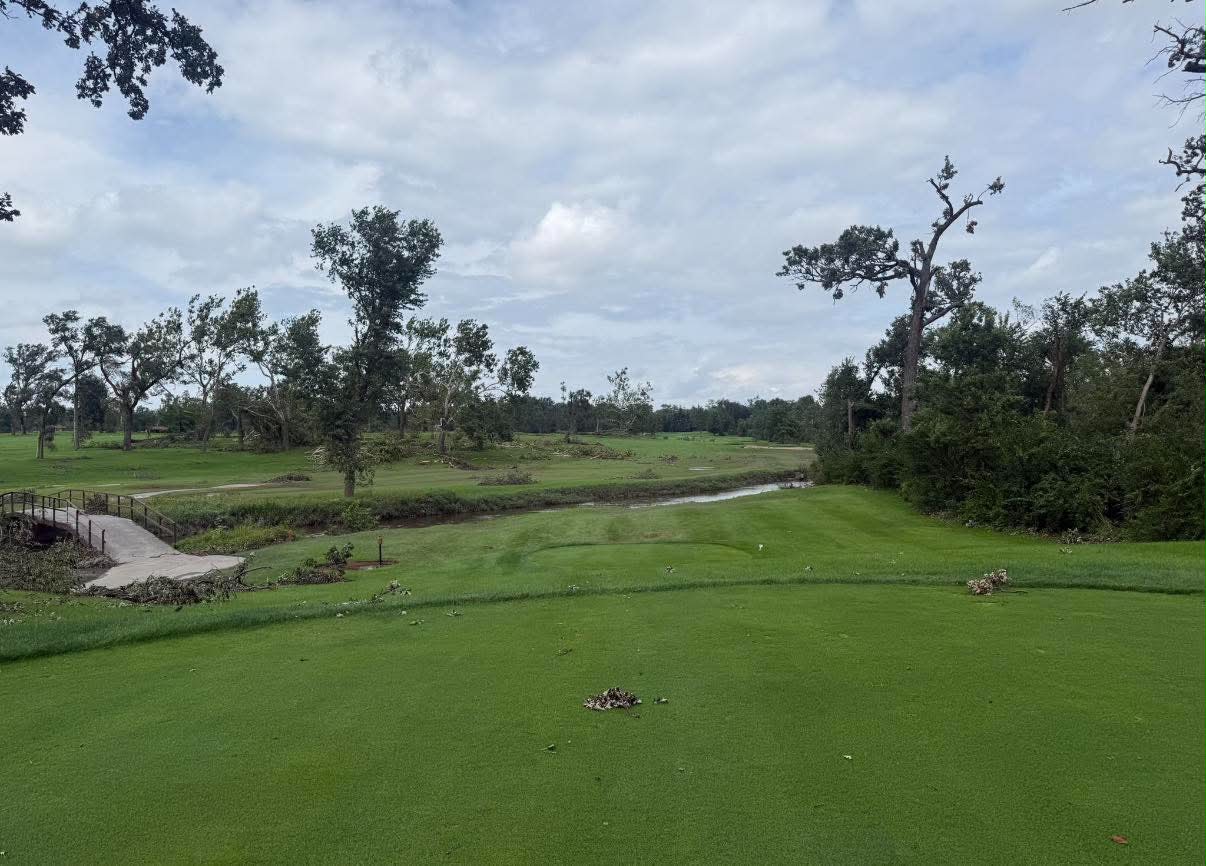
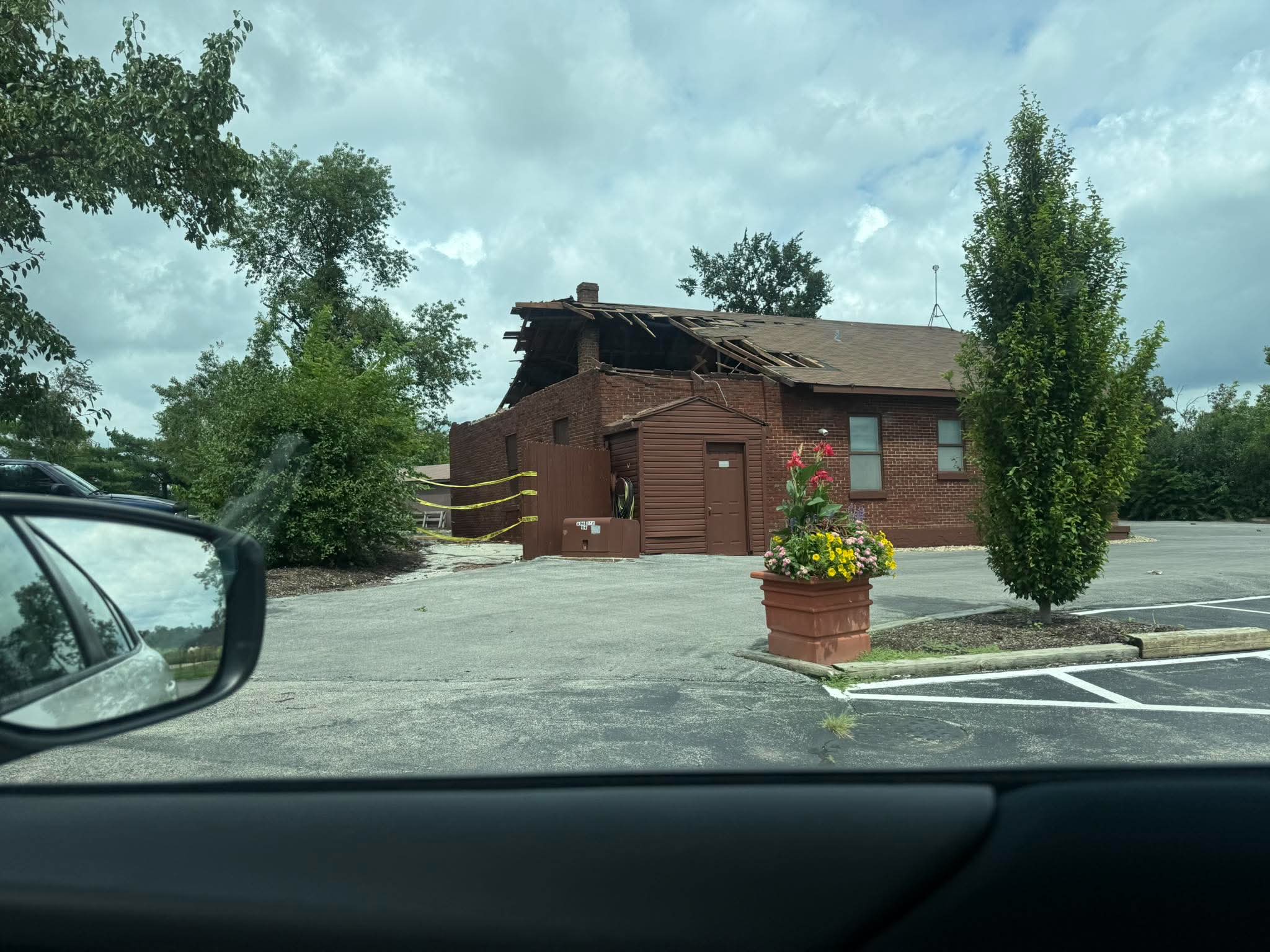
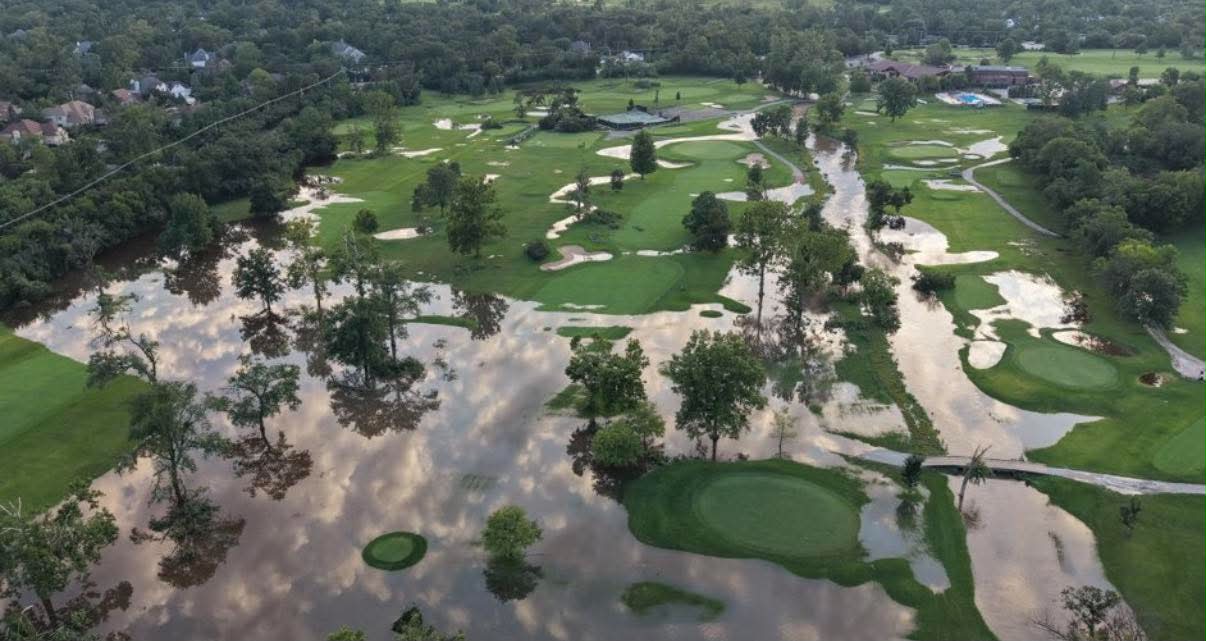
On August 11, 2026, an EF-1 tornado swept through Flossmoor as part of a powerful derecho that struck the Chicago Southland. At Idlewild, the storm damaged or destroyed approximately 250 trees and brought significant rainfall to a property that had already sustained two floods. The golf course closed for roughly two and a half weeks while crews confronted an enormous cleanup effort.
The timing was especially cruel. Idlewild had been preparing to begin a significant bunker renovation on September 1—part of a carefully developed plan to restore and strengthen the architectural identity of its historic golf course.
The storm changed the immediate priorities, but not the club’s direction. Idlewild’s renovation plan is being reassessed, while the club goes on offense with a September membership drive and an invitation to Chicago-area golfers: become part of its comeback story.
A Chicago-Area Golf Club Since 1908
Idlewild Country Club was founded in 1908, when a group led by the club’s first president, Fred Newman, set out to create one of the finest golf courses in the district. According to the club’s history, the original group included prominent Chicago businessmen Julius Rosenwald, Albert Loeb, Leo Steele, Ed Wedles and Sidney Mandle.
The founders hired golf professional Al Naylor for $60 per month to lay out the course, maintain the grounds, teach the game, operate the golf shop and train the caddies.
Naylor initially suggested a site closer to Chicago—the property that would eventually become Beverly Country Club—but Idlewild’s founders wanted their club to feel like a true excursion into the country. They chose Flossmoor, then emerging as one of the centers of Chicago-area golf.
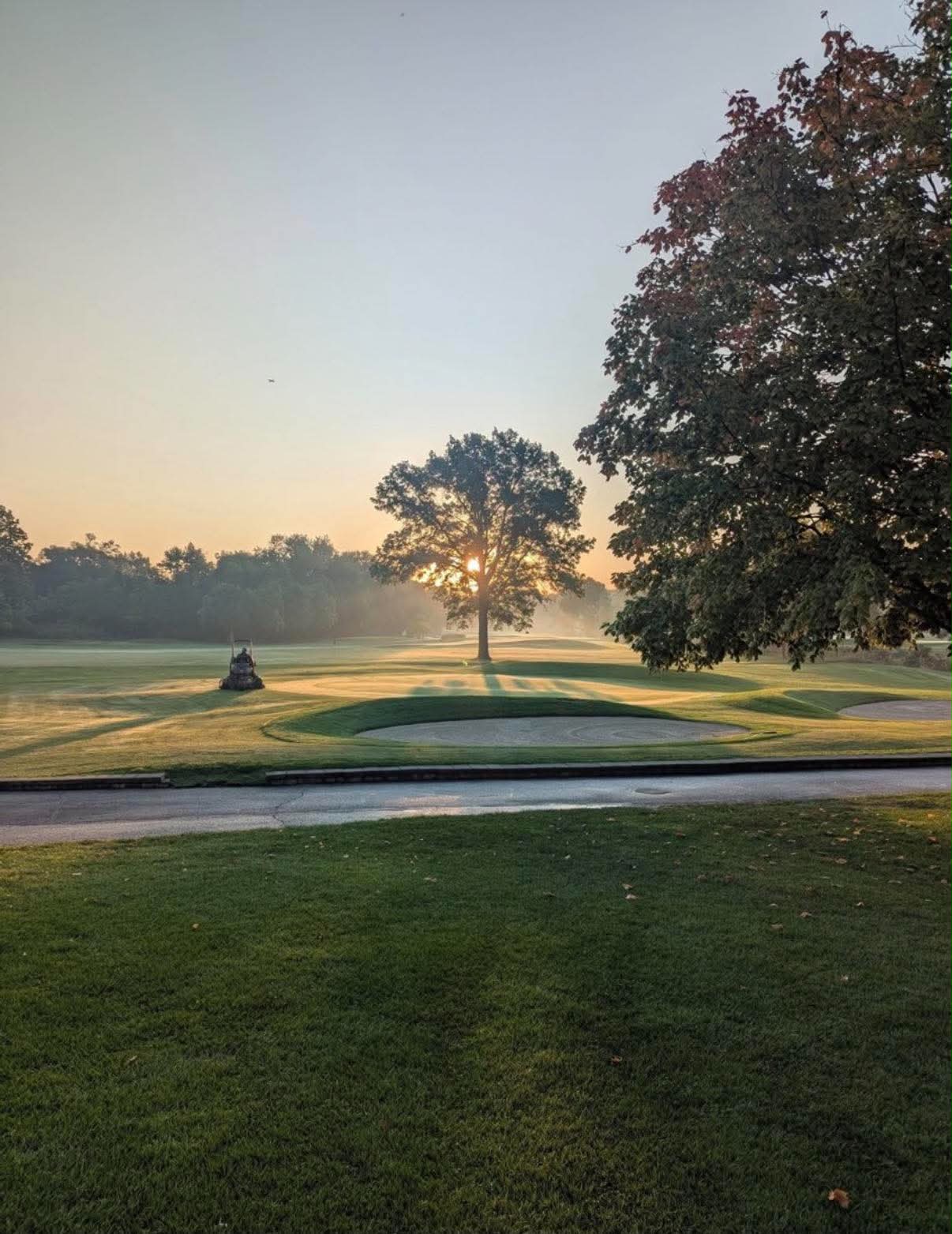
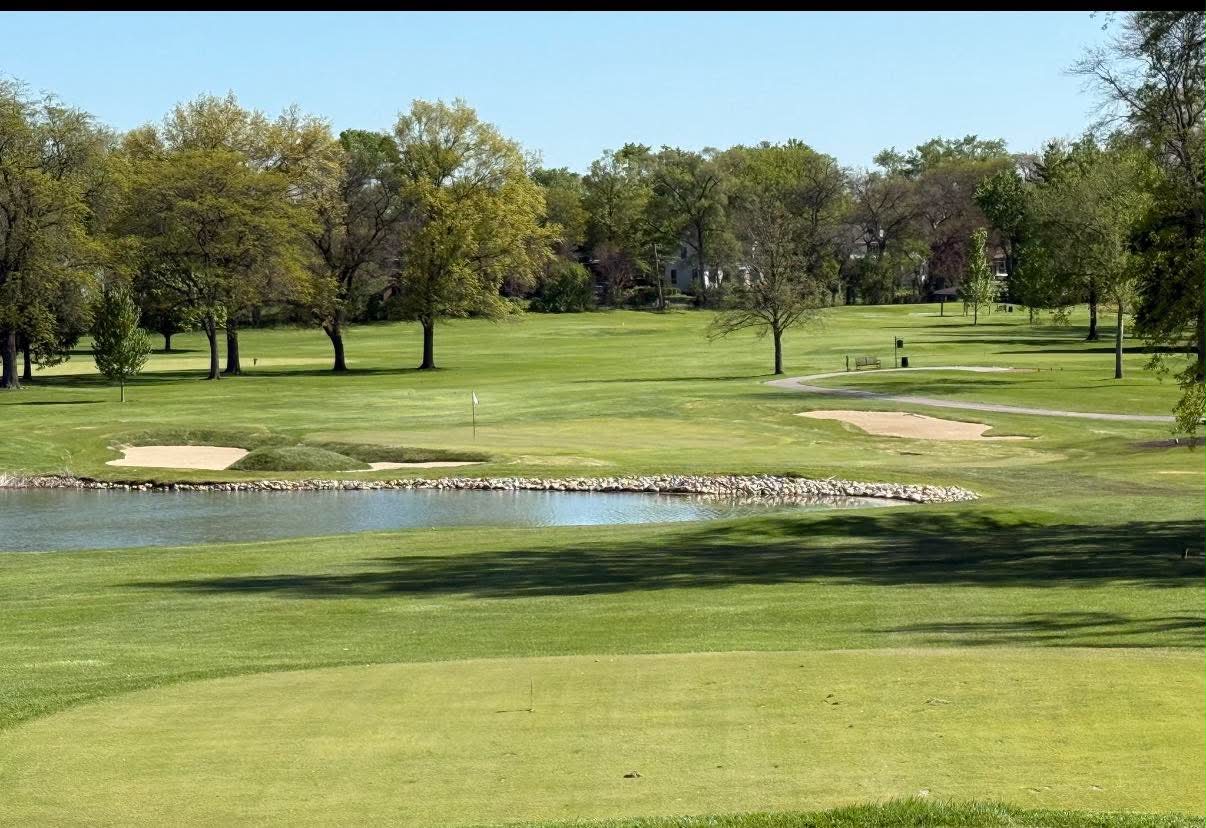
The resulting parkland course is now a par 72 measuring approximately 5,400 to 6,750 yards. Butterfield Creek crosses its gently rolling property, while the routing features an unusual balance of five par 3s and five par 5s.
A Western Open Host
Idlewild did not have to wait long to earn a place on golf’s national stage. In 1912, just four years after its founding, the club hosted the Western Open — one of the most significant championships in American golf and the tournament now known as the BMW Championship.
Macdonald Smith won with a 72-hole score of 299 over Idlewild’s then-6,495-yard course and claimed the $300 first prize. The field reportedly included 100 entries, with the U.S. Open having been played in the Chicago area one week earlier.
Idlewild’s early influence extended beyond tournament golf. In 1914, it was among the founding clubs of the Chicago District Golf Association, connecting the club to an organization that has helped guide and support amateur golf in the region for more than a century.
The Langford Influence
Idlewild’s most important architectural chapter came after the original Al Naylor design. Although historical accounts differ on the exact timing—some place the work in the 1920s and others during the Depression—the club brought in William Boice Langford to rework its green complexes and bunkering.
Langford was a civil engineer and one of the Midwest’s most distinctive Golden Age architects. Working most famously with Theodore Moreau, he became known for bold landforms, elevated greens, dramatic bunkering and strategic choices that reward proper angles.
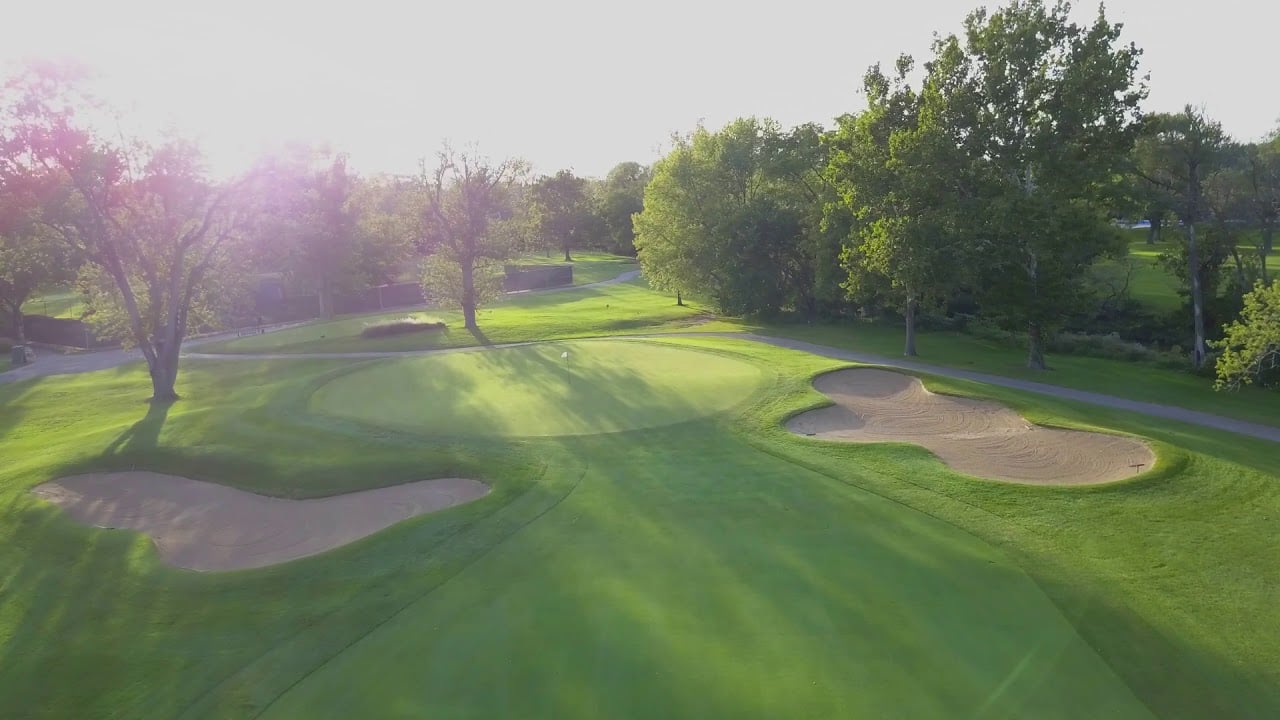
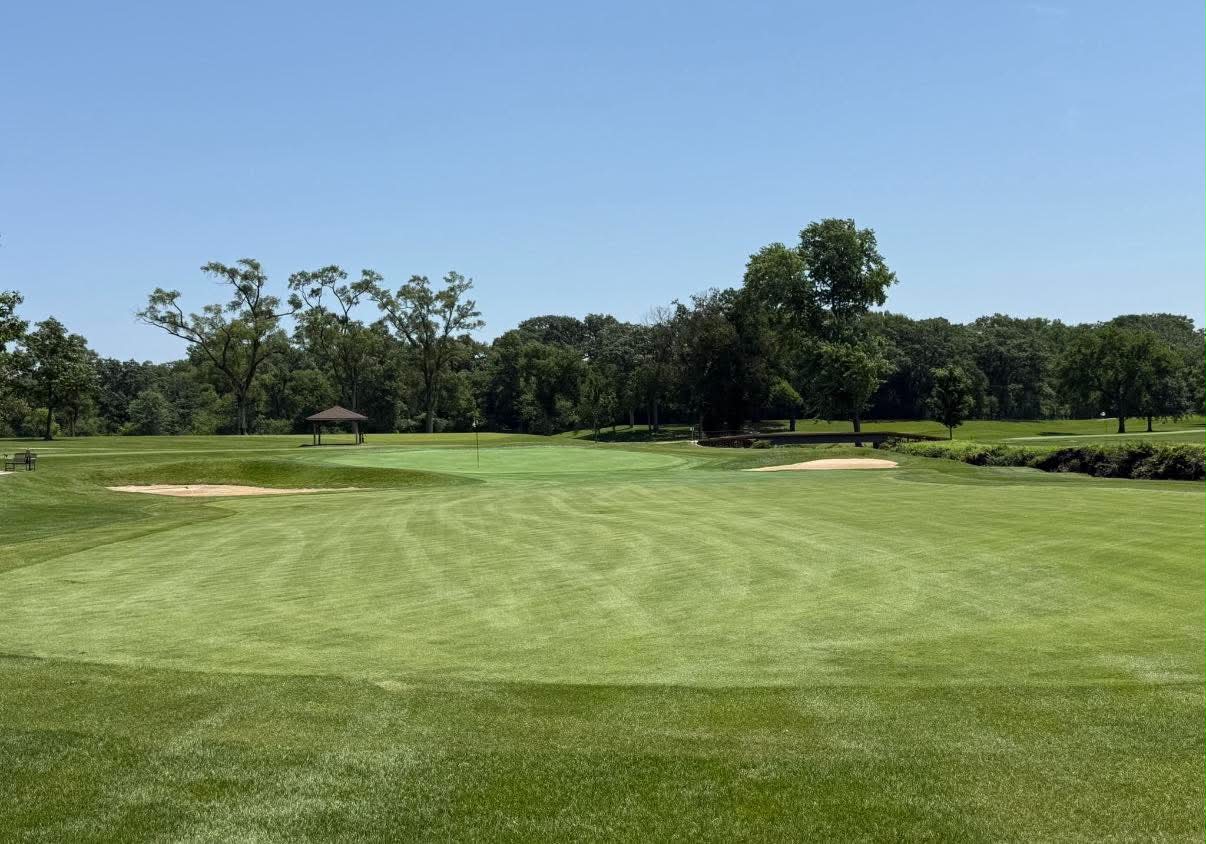
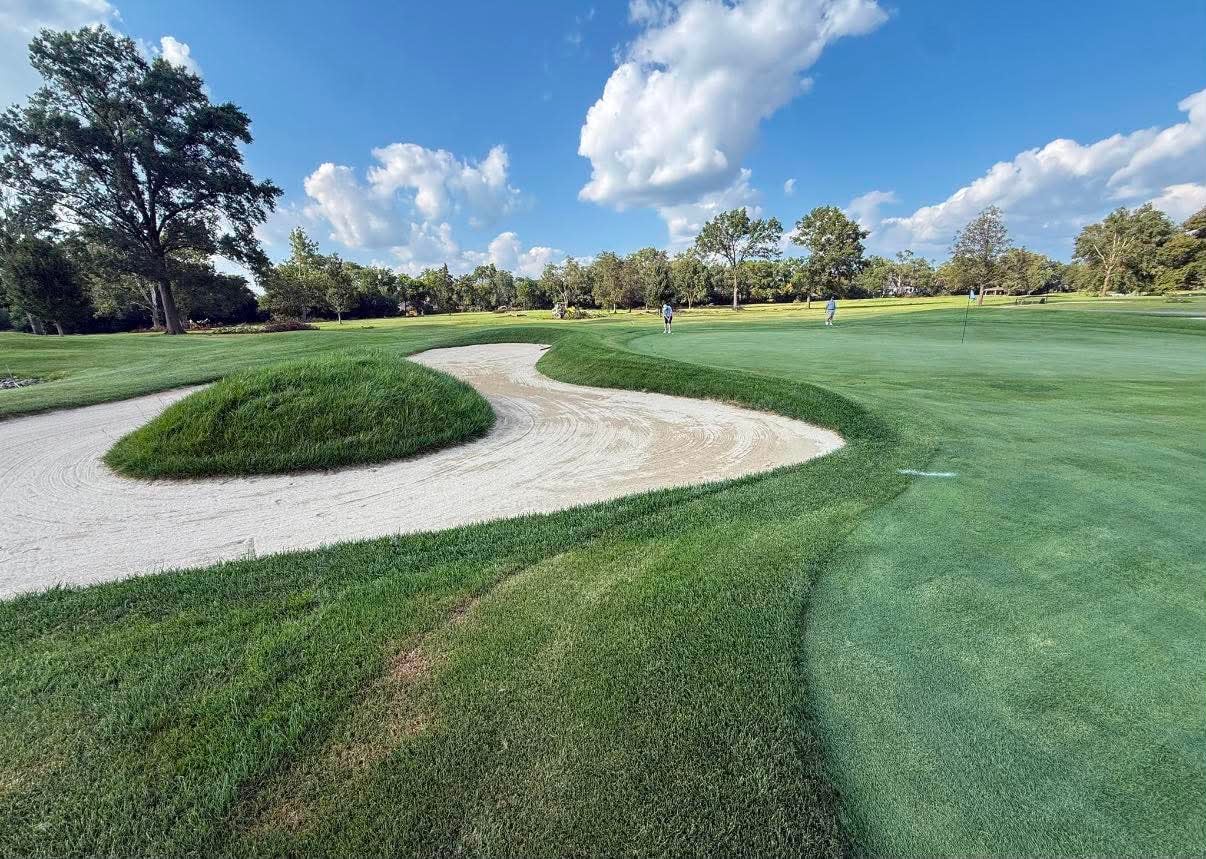
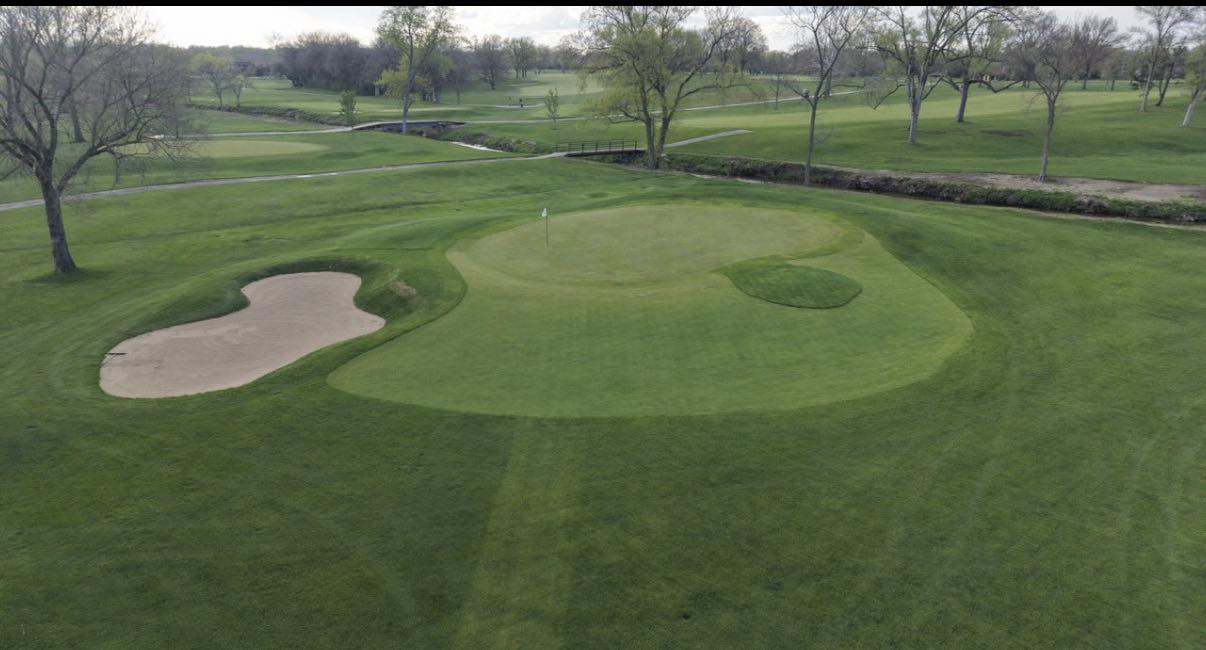
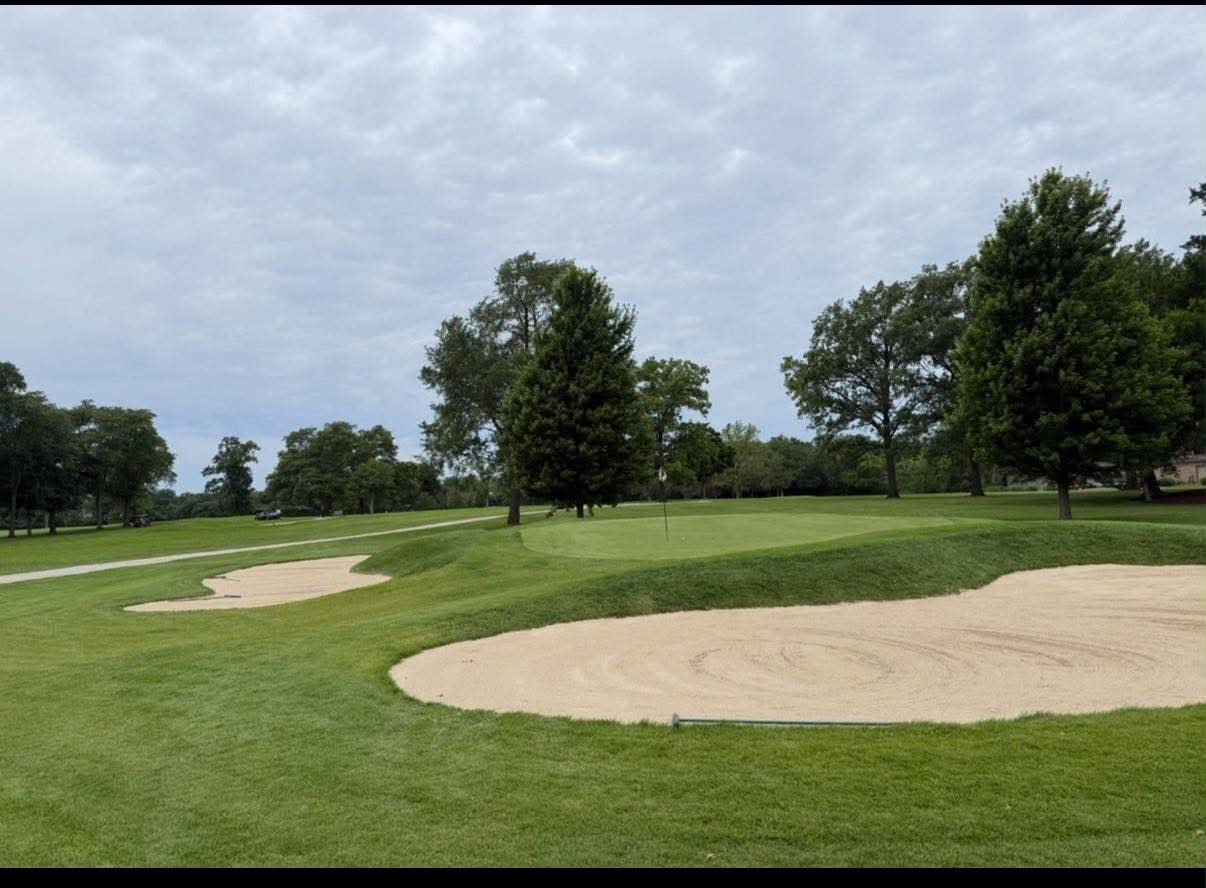
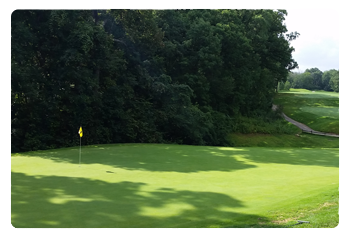
At Idlewild, those architectural traits can still be found in small, demanding greens and prominent bunkers that influence both tee shots and approaches. Tree-lined fairways place a premium on accuracy, while Butterfield Creek comes most directly into play on the third and seventh holes. The course asks golfers to think their way around it rather than simply overpower it.
The short par-3 16th can play from about 100 to 150 yards to one of the course’s smallest greens. Its compact scale and strategic character exemplify the personality Idlewild hopes to emphasize through its restoration.
Renewing a Classic Course
Idlewild has continued to invest in the property while respecting its history. In the early 2000s, the club consulted the USGA about its greens, drainage, tree management and the recovery of better golf-course vistas. A new irrigation system, authorized in 2020 and completed the following year, represented another major step in improving long-term course conditions.
The next chapter began in the fall of 2024, when Idlewild retained golf course architect David Esler. The bunkers surrounding the ninth hole were reshaped and rebuilt using the Better Billy Bunker system, which is designed to improve drainage, reduce washouts and provide more consistent playing conditions.
That initial project provided a preview of a broader architectural renewal. In the fall of 2025, the club renovated the bunkers on its remaining par-3 holes. Later that fall, Idlewild’s membership unanimously approved a larger bunker-renovation project. Work was scheduled to start on September 1, 2026.
Esler previously led restoration work at nearby Ravisloe Country Club and has publicly expressed his interest in restoring more Langford character at Idlewild. The planned work could improve bunker performance while making the course’s strategic features more visually powerful and historically authentic.
The August 11 Tornado
Before that next phase could begin, nature intervened.
The Village of Flossmoor confirmed that the August 11 storm was an EF-1 tornado—the second in the village’s recorded history. It downed trees, blocked roads, damaged property and knocked out power. Flossmoor declared a local emergency as crews and volunteers began a lengthy recovery.
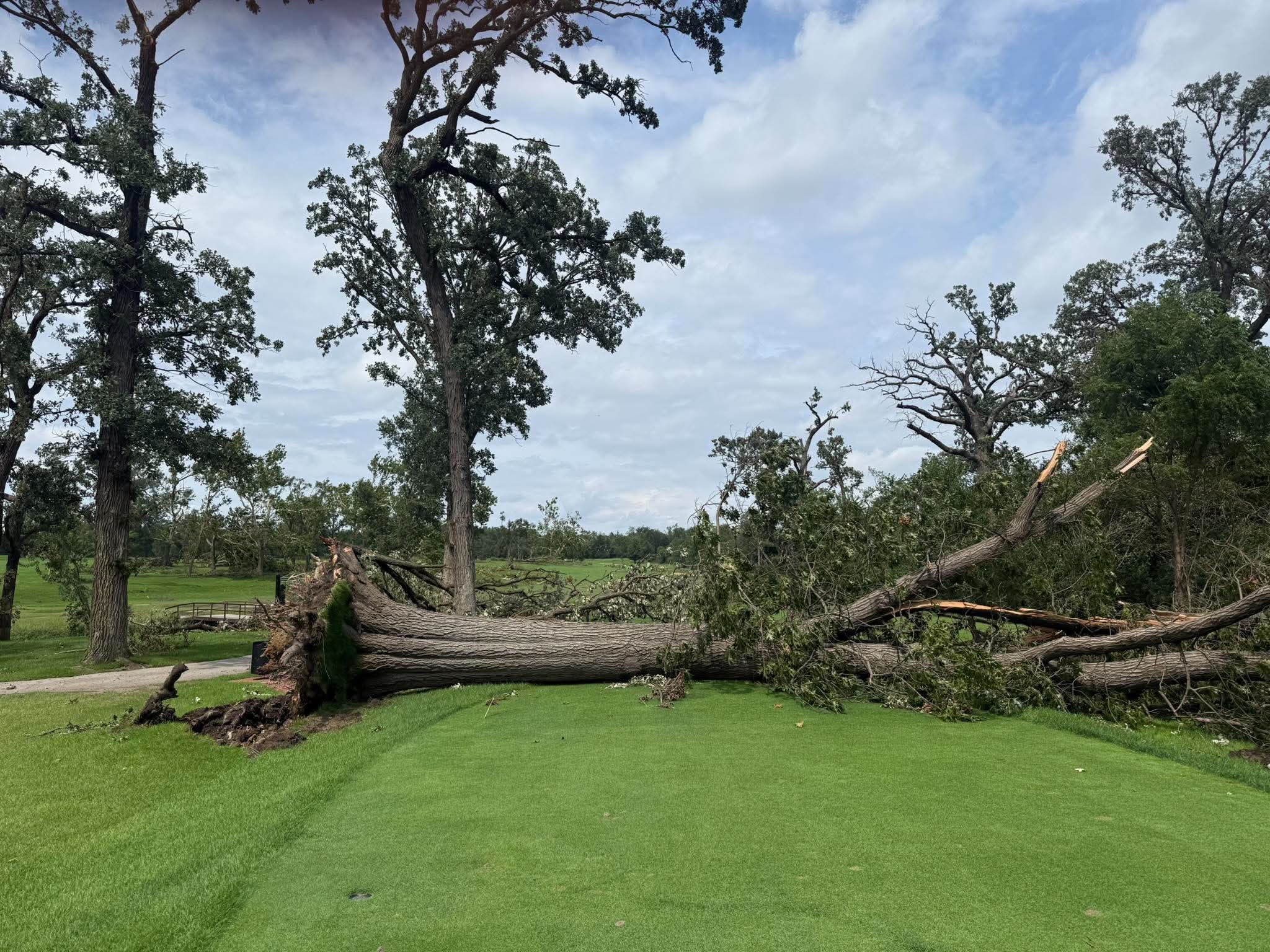
At Idlewild, the loss or damage of roughly 250 trees dramatically altered the landscape. In addition to the physical cleanup, the club must now determine how storm recovery and the previously approved bunker work fit together. The renovation remains in motion, but the plan and schedule are being reworked as the club evaluates the course.
The recovery may also present an opportunity. Although the tornado’s destruction was indiscriminate, Idlewild and Esler can study newly opened corridors, restore strategic lines of play and make decisions that serve the property for decades.
An Invitation to Join the Comeback
Idlewild’s story has never been limited to golf architecture. The club has survived early financial struggles, changing membership patterns, neighboring club closures and the pandemic. It has repeatedly been strengthened by people who chose to make Idlewild their golf home—including groups who arrived from Woodmar, Ravisloe and Calumet country clubs.
That community remains one of Idlewild’s strongest assets. The club offers golf tournaments, social and family events, dining, swimming, pickleball, instruction and a caddie program with roots stretching back more than 100 years. Its membership is connected by more than a shared golf course.
The September membership drive is therefore about more than replacing damaged trees or restarting a construction project. It is a chance to introduce a new generation of golfers and families to a historic club—and invite them to participate in what comes next.
Idlewild was born from an ambitious idea in 1908, reached the national golf stage in 1912 and evolved through more than a century of challenges and change. The tornado of August 11 will always be part of that history. It does not have to define the club’s future.
For golfers who value classic architecture, an engaged membership and the chance to be part of a genuine restoration and recovery, this may be the most meaningful time in decades to discover Idlewild Country Club.
Learn more about the club and membership opportunities at IdlewildCountryClub.com. Prospective members can also contact Justin Fickbohm directly at Justin@driagolf.com.
Editor’s note: Details about the tornado’s impact on Idlewild, the renovation timeline and the September membership drive were provided by Justin Fickbohm. The club’s post-storm renovation plan remained under review at the time of publication.







 Find a Golf Course
 Find a Driving Range
 Find a Topgolf
 Find a Golf Instructor